Custom Embroidery Patches: The Complete Expert Guide to Design, Quality, and Real-World Use
Discover our award-winning Custom Embroidery Patches & vector graphics portfolio and explore creative inspiration with stunning designs crafted for quality.


In today’s branding-driven world, embroidered insignia have become far more than decorative elements. They are identity markers, storytelling tools, and durable branding assets used by businesses, organizations, and individuals alike. Custom Embroidery Patches represent one of the most versatile and professional ways to showcase logos, messages, and symbols across apparel and accessories.
This in-depth guide is written to help you fully understand embroidered patches from a practical, technical, and decision-making perspective. Whether you are a business owner, designer, merch creator, or club organizer, this article answers real user intent: What are embroidered patches, how are they made, which types exist, how do you choose quality, and how do they perform in real-world use?
Understanding Embroidered Patches
Embroidered patches are textile-based emblems created by stitching thread into a fabric backing using industrial embroidery machines. Unlike printed graphics, embroidery adds texture, depth, and durability, making it ideal for long-term use.
These patches are typically applied to garments using sewing, heat-seal adhesive, Velcro, or peel-and-stick backings. Their ability to be removed, replaced, or reused makes them especially popular for uniforms and branded apparel.
Why Embroidery Still Matters in a Digital World

Despite advances in digital printing, embroidery remains a premium choice because it offers:
-
Raised texture and visual depth
-
Superior durability against washing and wear
-
A handcrafted, professional appearance
-
Resistance to fading and cracking
Embroidery communicates permanence and quality—two signals that matter for branding and identity.
How Embroidered Patches Are Made (Step-by-Step)
Understanding the production process helps you make informed decisions and avoid common mistakes.
1. Artwork Preparation and Digitizing
Every patch begins as artwork. This design is converted into a stitch-based file through embroidery digitizing. During this stage, decisions are made about:
-
Stitch type (satin, fill, run)
-
Stitch direction
-
Thread density
-
Color layering
Digitizing directly impacts clarity, durability, and stitch efficiency.
2. Fabric and Backing Selection
Common base materials include twill, felt, or canvas. The fabric must support dense stitching without distortion.
Backing options are chosen based on usage:
-
Sew-on for permanence
-
Iron-on for ease of application
-
Hook and loop (Velcro) for removability
-
Adhesive for temporary placement
3. Embroidery and Border Finishing
High-speed embroidery machines stitch the design using rayon or polyester threads. Borders are then finished using either:
-
Merrowed edges (thick, rounded, classic look)
-
Laser-cut edges (clean, modern, precise)
4. Trimming, Inspection, and Packaging
Each patch is trimmed, inspected for quality, and prepared for delivery. Professional production includes stitch consistency checks and color accuracy validation.
Types of Embroidered Patches Explained
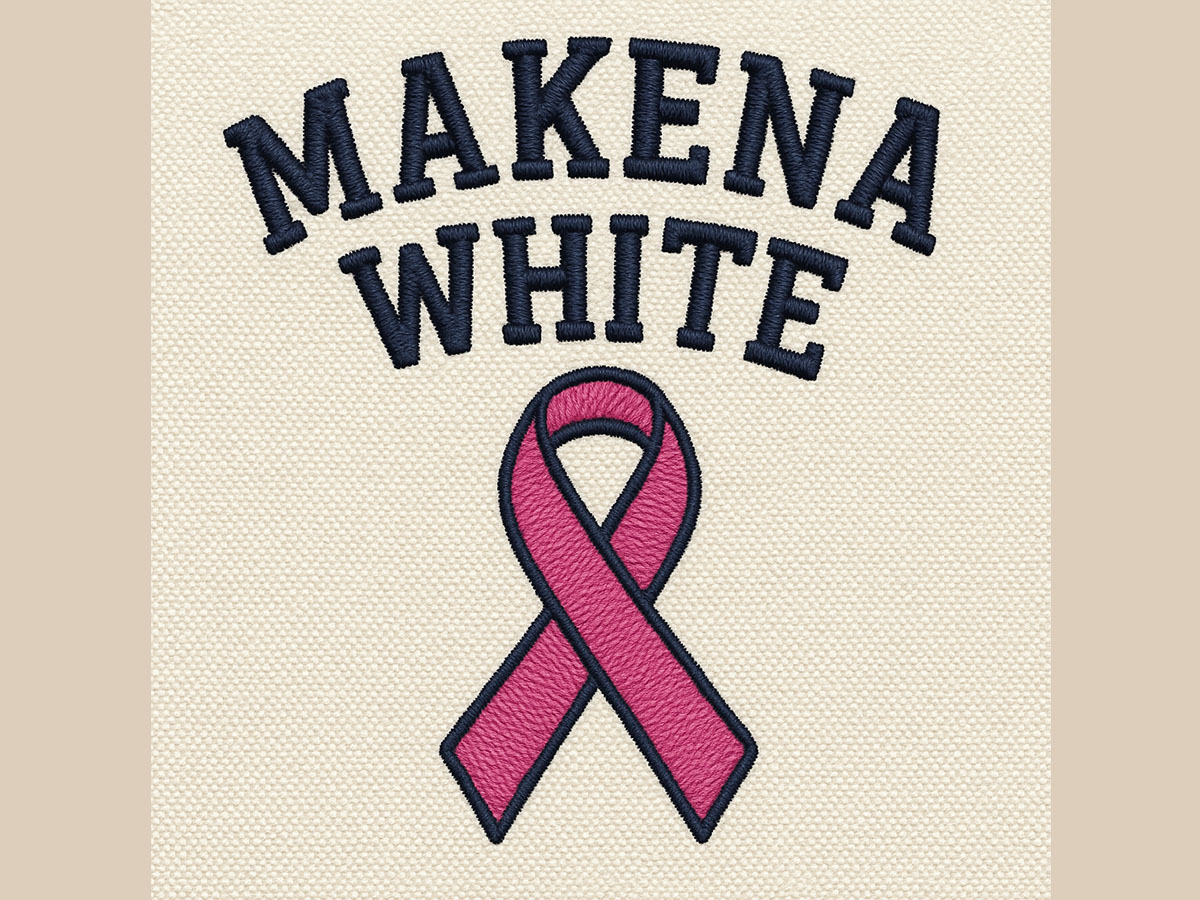
Not all patches serve the same purpose. Choosing the right type depends on your application.
Traditional Embroidered Patches
These feature bold stitching and a classic raised look. Ideal for logos, badges, and uniforms where durability is essential.
Woven-Look Embroidery
Uses thinner threads and higher stitch counts to mimic woven detail while maintaining embroidery durability. Suitable for designs with smaller text.
Chenille Patches
Characterized by fuzzy, looped yarn textures. Commonly used on varsity jackets and fashion apparel.
Combination Patches
Blend embroidery with printed or woven elements to balance detail and texture.
Real-World Applications Across Industries
Corporate Branding
Businesses use embroidered emblems on uniforms, caps, and workwear to reinforce brand identity and professionalism.
Sports Teams and Clubs
Teams rely on stitched patches for jerseys, jackets, and bags due to their durability and prestige.
Military and Tactical Gear
Removable Velcro-backed patches allow rank, unit, or morale insignia to be swapped easily.
Fashion and Streetwear
Designers use embroidery to add premium texture to jackets, hoodies, backpacks, and denim.
Events and Collectibles
Limited-edition patches are popular for rallies, festivals, and fan communities due to their collectibility.
Quality Factors That Separate Premium from Poor Patches
Stitch Density and Direction
Balanced density ensures the patch holds shape without stiffness. Proper stitch direction improves visual flow and durability.
Thread Quality
Polyester threads resist fading and moisture, while rayon threads offer a softer sheen. Low-quality thread frays quickly.
Edge Finish
Borders protect patches from unraveling. Clean edges are a hallmark of professional production.
Color Accuracy
Professional embroidery matches thread colors closely to original artwork, ensuring brand consistency.
Common Mistakes to Avoid
-
Overloading designs with tiny text
-
Using low-resolution artwork
-
Ignoring backing compatibility with fabric
-
Choosing appearance over durability
Planning with real-world use in mind prevents costly revisions.
Embroidered Patches vs Other Patch Types
| Feature | Embroidery | PVC | Printed |
|---|---|---|---|
| Texture | Raised, tactile | Rubberized | Flat |
| Durability | High | Very high | Moderate |
| Appearance | Classic, premium | Modern | Photo-like |
| Flexibility | Moderate | Low | High |
Embroidery remains the preferred choice when professionalism and tradition matter.
Care and Maintenance Tips
To maximize lifespan:
-
Wash garments inside out
-
Avoid high-heat drying
-
Do not iron directly on stitches
-
Secure Velcro patches before washing
Proper care preserves color and stitch integrity.
Cost Considerations and Value
Pricing depends on size, stitch count, color complexity, and quantity. While embroidery may cost more upfront than printing, its longevity often delivers better long-term value.
Bulk production significantly reduces per-unit cost, making it suitable for organizations and brands.
Frequently Asked Questions
How long do embroidered patches last?
With proper care, high-quality patches can last for years without losing structure or color.
Can embroidered patches be removed?
Yes. Velcro-backed and sew-on patches can be removed, though iron-on patches are more permanent.
Are embroidered patches waterproof?
They are water-resistant but not fully waterproof. Polyester threads perform best in wet conditions.
What fabrics work best for patches?
Denim, cotton, canvas, and polyester blends offer the best support for embroidery.
Can small details be embroidered clearly?
Yes, but designs must be digitized properly and sized appropriately to maintain readability.
Final Thoughts and Practical Takeaway
Embroidered patches remain one of the most reliable and professional branding tools available today. Their durability, texture, and versatility make them suitable for everything from uniforms to fashion and collectibles.
If your goal is long-term brand visibility, tactile quality, and a premium look that withstands real-world use, Custom Embroidery Patches deliver unmatched value. Thoughtful design, professional digitizing, and quality materials are the keys to results that truly stand out.


Easy tips and tricks to clean your sofa at home
The sofa is the center of your living space. Your sofa is a place where … …
Fun Online Entertainment Experience
KP88 – A Comprehensive Look at a Popular Online Gaming Platform Introduction to KP88 …