Why Black Paint Is So Challenging

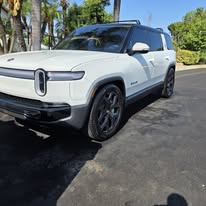
Washing Black Cars the Right Way
Washing is where most damage occurs, so it’s also where the biggest improvements can be made.
For black cars, contact washing must be minimized and controlled. That means using clean tools, plenty of lubrication, and patience.
Best practices include:
-
Using a pre-rinse or foam to loosen dirt before touching the paint
-
Washing from top to bottom, never in circles
-
Rinsing wash mitts frequently to release trapped debris
-
Drying with soft microfiber and light pressure only
Even something as small as letting the soap dwell an extra minute can reduce how much physical contact is needed.
Insider Tip: Your Drying Method Matters More Than Your Soap
Many owners obsess over which shampoo to use, but drying causes more visible damage on black paint than washing does.
Dragging a towel across paint—even a microfiber one—can leave fine lines. Blotting or using a gentle air-assisted drying method dramatically reduces micro-scratches.
If you notice your black car looks great when wet but dull once dry, your drying technique is likely the culprit.
Decontamination for Dark Paint
Black paint shows contamination quickly. Industrial fallout, brake dust, and mineral deposits create texture that dulls reflections.
Proper decontamination restores smoothness and prepares the surface for polishing or protection. For black cars, this step is especially important because bonded contaminants scatter light.
A thorough decontamination process typically includes:
-
Chemical iron removal
-
Targeted tar removal
-
Light mechanical decontamination when needed
Skipping this step often leads to inconsistent polishing results and unnecessary pad marring.
Polishing Black Cars Without Creating Holograms
Polishing black paint requires restraint. Aggressive compounds can remove defects quickly but leave haze or holograms that are even more noticeable on dark finishes.
In most cases, multiple lighter polishing passes outperform one heavy pass. Slower arm speed, clean pads, and proper lighting make all the difference.
For daily-driven black cars, the goal isn’t perfection under inspection lights. It’s clean, uniform reflections in real-world lighting.
Insider Tip: Pad Cleanliness Is Non-Negotiable
One detail many people overlook is pad maintenance during polishing. A loaded pad reintroduces removed paint residue back onto the surface, causing micro-marring.
Cleaning or swapping pads frequently keeps the finish sharper and reduces the risk of chasing defects that were just created during the process.
Protecting Black Paint for Long-Term Results
Protection is what keeps black paint looking good between details. Without it, freshly polished paint degrades quickly.
Sealants and modern coatings help reduce friction during washing and make water behavior more predictable. That predictability is critical on black cars, where uneven drying leads to visible spotting.
According to detailing professionals who regularly maintain dark-colored vehicles in busy driving environments, proper washing technique after protection is what truly preserves results. Guidance such as this reference on glenoaks car wash explains how method and consistency play a larger role than product choice alone.
Managing Dust and Static on Black Cars
Black cars attract dust—it’s unavoidable. Static buildup after drying often makes the problem worse.
To manage this:
-
Use drying aids to reduce friction
-
Avoid wiping light dust off dry paint
-
Store microfiber towels clean and sealed
-
Apply protection that reduces static charge
A lightly dusty black car often looks better untouched than wiped improperly. Knowing when not to touch the paint is part of good detailing judgment.
Maintaining a Black Car Between Full Details
Black cars benefit from gentle, regular maintenance rather than aggressive periodic correction.
Smart maintenance habits include:
-
Touchless rinses when lightly soiled
-
Spot cleaning with proper lubrication
-
Avoiding direct sun during washing and drying
-
Inspecting towels and tools before every use
One real-world pattern I’ve noticed: owners who slow down during maintenance spend less time correcting damage later.
When Things Go Wrong—and How to Recover
Even with good habits, black paint will eventually show wear. Swirls happen. Water spots appear. That doesn’t mean you’ve failed.
Light polishing sessions can refresh the finish without heavy correction. Catching defects early keeps clear coat healthier over time and avoids the need for aggressive methods.
The key is recognizing when light refinement is enough and resisting the urge to overcorrect.
The Psychological Side of Owning a Black Car
There’s an emotional component to black cars. When they’re clean, owners feel proud. When they’re not, every flaw feels magnified.
Understanding that perfection is temporary helps set realistic expectations. Black paint rewards care, but it also demands acceptance that some wear is inevitable.
The goal isn’t flawlessness—it’s control.
A Practical Wrap-Up
Detailing black cars successfully comes down to discipline, not obsession. Proper washing, careful drying, restrained polishing, and smart protection create results that last.
Black paint doesn’t need constant correction. It needs consistent technique and thoughtful maintenance. When those pieces come together, the finish stays deep, reflective, and satisfying—without turning ownership into a constant battle.
Also read for more information so click here.



Easy tips and tricks to clean your sofa at home
The sofa is the center of your living space. Your sofa is a place where … …
Fun Online Entertainment Experience
KP88 – A Comprehensive Look at a Popular Online Gaming Platform Introduction to KP88 …