Benefits of Blow Molding Machines for Consistent Bottle Quality

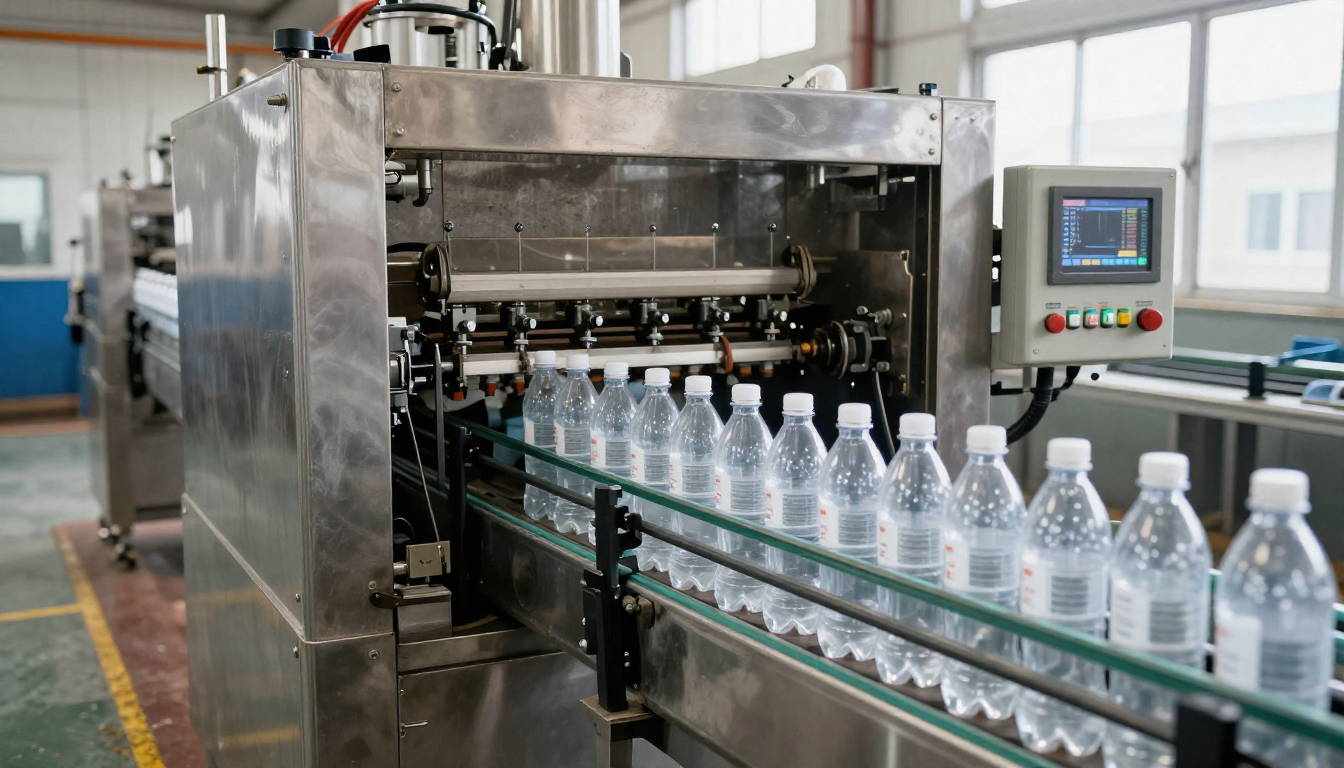
In modern plastic manufacturing, consistency is essential. Bottles, containers, and hollow products must meet strict standards for shape, thickness, and durability. Variations in quality not only increase waste but can also impact customer satisfaction and production efficiency. Blow molding machines, particularly extrusion blow molding machines, are designed to address these challenges and ensure reliable results in high-volume production.
This article explains the main benefits of using blow molding machine for consistent bottle quality, showing how modern technology and process control improve output and reduce errors in real factory settings.
1. Precise Material Flow for Uniform Wall Thickness
A key factor in bottle quality is wall thickness. Uneven walls can lead to weak points, leaks, or deformation during filling and transportation.
Extrusion blow molding machines control the flow of molten plastic with precision. The parison, a hollow tube of plastic formed before molding, is closely monitored for thickness. Advanced systems adjust material flow in real time, ensuring each bottle has evenly distributed walls.
By stabilizing material flow, factories reduce rejects and improve overall durability of bottles.
2. Accurate Temperature Control
Plastic must melt consistently to form strong, uniform bottles. Uneven heating can cause air bubbles, burn marks, or weak walls.
Modern blow molding machines divide the barrel into multiple heating zones, maintaining precise temperature across the entire machine. Many machines use computer operating systems to track and adjust heat continuously. This automated control minimizes human error and keeps product quality stable across long production runs.
Consistent melting prevents defects and supports smooth, predictable production.
3. Controlled Air Pressure for Perfect Bottle Shape
After the parison is formed, compressed air inflates it into the mold cavity. Air pressure directly affects shape, wall uniformity, and surface finish.
Blow molding machines regulate pressure digitally to ensure uniform inflation. Low pressure can cause incomplete formation, while high pressure may overstretch or thin out walls. By maintaining consistent air flow, the machines produce bottles with precise dimensions and a smooth finish.
This results in products that fit caps correctly and stack reliably.
4. Uniform Cooling and Rapid Cycle Times
Once shaped, bottles must cool evenly to maintain their form. Uneven cooling can cause warping, shrinkage, or surface defects.
Extrusion blow molding machines circulate water or other cooling mediums through mold channels designed for balanced heat removal. Optimized cooling ensures that each bottle solidifies consistently while supporting faster production cycles.
Faster yet uniform cooling helps factories meet high demand without sacrificing quality.
5. Reduced Material Waste
Material waste is a common issue in bottle production. Poor parison control, uneven inflation, or misaligned molds can generate scrap.
Blow molding machines reduce this problem by monitoring every step of the process. Material is distributed precisely, and any excess can often be recycled in the same production line.
Reduced waste improves cost efficiency and supports sustainable manufacturing practices.
6. Automation and Process Monitoring
Modern extrusion blow molding machines incorporate computer operating systems that track temperature, pressure, parison thickness, and cycle times.
Operators receive real-time data, allowing immediate corrections if any parameter drifts outside acceptable ranges. Automation ensures consistent performance over long shifts and minimizes human errors.
This level of control supports continuous production without compromising bottle quality.
7. Flexibility for Multiple Bottle Designs
Factories often produce various bottle shapes and sizes. Frequent mold changes or setup adjustments can disrupt production.
Blow molding machines support quick mold changes and programmable settings for different bottle designs. Operators can save recipes for each product, ensuring repeatable results whenever the mold is switched.
This flexibility helps manufacturers meet diverse customer requirements efficiently.
8. Compliance with Industry Standards
Bottles used for food, beverages, and pharmaceuticals must meet strict quality and safety standards. Any shape inconsistency or weak wall can result in non-compliance.
Blow molding machines produce uniform, high-quality bottles that meet industry regulations. Consistent wall thickness, accurate neck finishes, and reliable sealing surfaces ensure compliance without additional manual inspection.
Real Production Example One
A beverage plant producing water bottles faced issues with uneven necks, causing cap leaks. By upgrading to extrusion blow molding machines with precise parison and air pressure control, the factory reduced defect rates by 20 percent and improved customer satisfaction.
Real Production Example Two
A chemical container manufacturer struggled with weak corners during high-volume production. Implementing modern blow molding machines with controlled cooling and automated monitoring resolved the problem. The company maintained consistent quality across all shifts without slowing production.
Comparison Table: Benefits of Blow Molding Machines
| Feature | Without Modern Blow Molding Machine | With Extrusion Blow Molding Machine |
|---|---|---|
| Wall Thickness | Uneven, weak spots common | Consistent across bottles |
| Air Pressure | Manual adjustments, errors | Automated, precise control |
| Cooling | Uneven, risk of warping | Balanced, uniform solidification |
| Material Waste | High scrap | Reduced scrap, optimized usage |
| Production Monitoring | Limited visibility | Real-time digital tracking |
| Shape Consistency | Variable | Uniform across long shifts |
| Changeovers | Time-consuming | Quick mold changes with saved settings |
Conclusion: How Blow Molding Machines Support Reliable Bottle Production
Blow molding machines, particularly extrusion blow molding machines, ensure that bottles maintain consistent shape, thickness, and quality throughout production. By controlling material flow, temperature, air pressure, and cooling, these machines reduce waste, improve efficiency, and support compliance with industry standards.
For manufacturers producing high-volume bottles, implementing modern blow molding machines is key to achieving consistent output, minimizing defects, and sustaining long-term productivity in competitive markets.
Visit for news and updates at joinnfunhub.com


Easy tips and tricks to clean your sofa at home
The sofa is the center of your living space. Your sofa is a place where … …
Fun Online Entertainment Experience
KP88 – A Comprehensive Look at a Popular Online Gaming Platform Introduction to KP88 …