Smoking Cessation Symptoms: Breaking the Cycle with Online Psychiatric Support

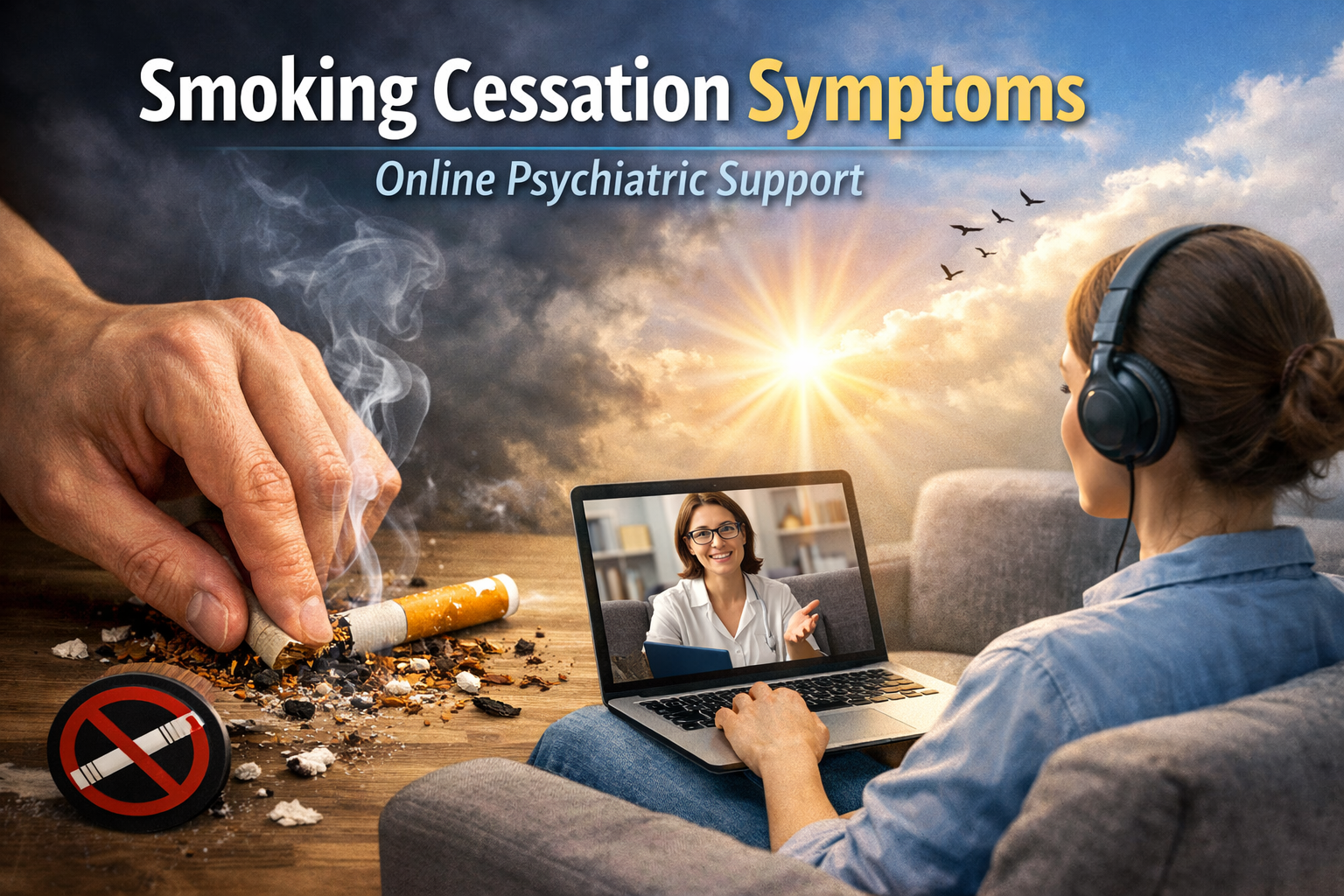
Quitting smoking is one of the most positive health decisions a person can make, yet it is also one of the most challenging. For many Australians, the journey away from nicotine dependence is complicated by uncomfortable physical sensations, emotional distress, and intense cravings. These challenges are commonly referred to as Smoking Cessation symptoms, and they are a major reason why many people relapse after attempting to quit.
Understanding what to expect, why these symptoms occur, and how professional mental health support can help is essential for long-term success. With the growing availability of online psychiatric care across Australia, support for smoking cessation has never been more accessible.
Understanding Smoking Cessation Symptoms
Smoking Cessation symptoms are the physical and psychological reactions that occur when the body adjusts to life without nicotine. Nicotine is a highly addictive substance that affects brain chemistry, particularly dopamine levels, which influence pleasure, mood, and motivation.
When smoking stops, the brain and body must recalibrate. This adjustment period can trigger a wide range of symptoms that vary in intensity from person to person. While uncomfortable, these symptoms are a sign that the body is healing.
Why Smoking Cessation Symptoms Occur
Nicotine stimulates the release of dopamine, creating feelings of relaxation and reward. Over time, the brain becomes dependent on nicotine to maintain normal mood and function. When nicotine intake stops:
- Dopamine levels temporarily drop
- Stress hormones fluctuate
- The nervous system becomes overactive
- The body begins detoxifying stored toxins
These changes contribute directly to Smoking Cessation symptoms, particularly in the first few weeks after quitting.
Common Physical Smoking Cessation Symptoms
Many Australians report physical symptoms soon after their last cigarette. These symptoms usually peak within the first week and gradually improve.
Headaches
As blood flow and oxygen levels normalize, headaches are common. Staying hydrated and maintaining regular sleep patterns can help reduce discomfort.
Fatigue and Low Energy
The body is working hard to repair itself, which can lead to tiredness. Short naps and light physical activity often help restore energy levels.
Increased Appetite and Weight Changes
Nicotine suppresses appetite and boosts metabolism. Without it, hunger may increase temporarily, and some people experience mild weight gain.
Coughing and Chest Tightness
As the lungs begin clearing mucus and toxins, coughing may increase. This is a positive sign of respiratory healing.
Digestive Issues
Constipation, bloating, or stomach discomfort can occur as the digestive system adjusts to the absence of nicotine.
Psychological and Emotional Smoking Cessation Symptoms
Psychological symptoms are often more challenging than physical ones and are a key reason many people return to smoking.
Anxiety and Restlessness
Nicotine previously acted as a coping mechanism for stress. Without it, anxiety may feel heightened, especially in triggering situations.
Irritability and Mood Swings
Fluctuating brain chemistry can lead to frustration, anger, or emotional sensitivity during early cessation.
Depression or Low Mood
A temporary drop in dopamine may cause feelings of sadness or emptiness. These feelings usually improve within weeks but should not be ignored.
Difficulty Concentrating
Often referred to as “brain fog,” this symptom occurs as the brain rewires itself without nicotine stimulation.
Intense Cravings
Cravings can be sudden and powerful, often triggered by habits such as drinking coffee, socializing, or feeling stressed.
Timeline of Smoking Cessation Symptoms
Understanding the typical timeline can help Australians stay motivated during difficult phases.
First 24–72 Hours
- Strong cravings
- Headaches
- Anxiety and irritability
- Sleep disturbances
First 1–2 Weeks
- Peak intensity of Smoking Cessation symptoms
- Mood swings and fatigue
- Increased appetite
- Concentration difficulties
Weeks 3–6
- Symptoms begin to ease
- Cravings become less frequent
- Mood stabilizes gradually
Beyond 2 Months
- Most symptoms resolve
- Improved breathing and energy
- Reduced psychological dependence
While timelines vary, professional mental health support can significantly shorten and soften this adjustment period.
The Role of Mental Health in Smoking Addiction
Smoking is not just a physical habit it is deeply connected to mental health. Many Australians smoke to manage stress, anxiety, trauma, or depression. When cigarettes are removed, the underlying emotional triggers remain.
This is why addressing mental health is essential when managing Smoking Cessation symptoms. Without proper psychological support, the risk of relapse increases significantly.
How Online Psychiatric Support Helps with Smoking Cessation
Online psychiatric care offers evidence-based strategies to manage both the addiction and the emotional challenges of quitting smoking.
Personalized Mental Health Assessment
A psychiatrist can identify underlying conditions such as anxiety disorders, depression, or ADHD that may complicate cessation.
Cognitive Behavioural Therapy (CBT)
CBT helps individuals recognize thought patterns that trigger smoking and replace them with healthier coping strategies.
Medication Support
In some cases, psychiatrists may prescribe medications to:
- Reduce nicotine cravings
- Stabilize mood
- Manage anxiety or depression
These treatments are carefully tailored to each patient’s needs.
Relapse Prevention Planning
Psychiatrists help patients prepare for high-risk situations and develop practical strategies to avoid returning to smoking.
Benefits of Online Psychiatric Support for Australians
Online psychiatric services are becoming increasingly popular across Australia due to their convenience and accessibility.
- No need for travel or long wait times
- Suitable for rural and remote communities
- Flexible appointment scheduling
- Confidential and stigma-free care
- Continuity of support during relapse-prone periods
Platforms like HelloGP make it easier for Australians to access professional psychiatric care from the comfort of home.
Lifestyle Strategies to Manage Smoking Cessation Symptoms
In addition to professional support, certain lifestyle changes can ease symptoms and support recovery.
Regular Physical Activity
Exercise boosts dopamine levels naturally and reduces stress and cravings.
Balanced Nutrition
Eating whole foods, fruits, vegetables, and lean proteins helps stabilize mood and energy levels.
Sleep Hygiene
Maintaining consistent sleep routines supports emotional regulation and concentration.
Mindfulness and Relaxation
Meditation, deep breathing, and yoga reduce anxiety and help manage cravings.
Avoiding Triggers
Limiting alcohol, caffeine, and social situations associated with smoking can reduce relapse risk during early cessation.
When to Seek Professional Help
While Smoking Cessation symptoms are normal, some signs indicate the need for immediate psychiatric support:
- Persistent depression lasting more than two weeks
- Severe anxiety or panic attacks
- Thoughts of self-harm
- Repeated relapse despite multiple quit attempts
- Smoking linked to trauma or mental illness
Early intervention can prevent long-term setbacks and improve overall mental wellbeing.
Breaking the Cycle for Good
Quitting smoking is not a single event it is a process that requires physical, emotional, and psychological adjustment. Smoking Cessation symptoms can feel overwhelming, but they are temporary and manageable with the right support.
Online psychiatric care provides Australians with professional guidance, coping tools, and medical support to address both nicotine dependence and underlying mental health challenges. By combining evidence-based treatment with healthy lifestyle changes, individuals can break the cycle of addiction and move toward a healthier, smoke-free future.
Conclusion
Overcoming nicotine addiction is a powerful step toward better physical health and emotional wellbeing, but the journey is rarely easy. Smoking Cessation symptoms can affect both the body and mind, often testing motivation and resilience during the early stages of quitting. Understanding these symptoms and recognizing that they are a normal part of recovery can make the process feel more manageable and less overwhelming.



Easy tips and tricks to clean your sofa at home
The sofa is the center of your living space. Your sofa is a place where … …
Fun Online Entertainment Experience
KP88 – A Comprehensive Look at a Popular Online Gaming Platform Introduction to KP88 …