Engineering Guide to Non Return Valves: Design, Use & Benefits

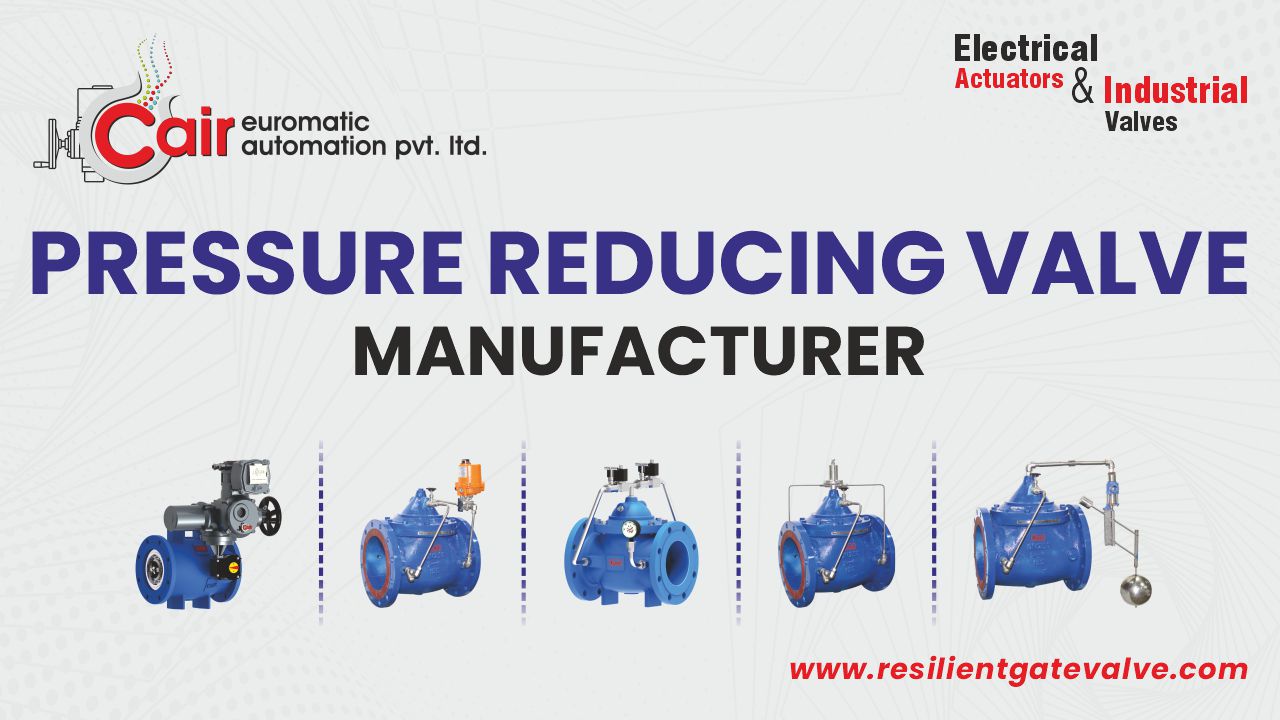
Non return valves are one of the most important components in fluid flow systems. Though simple in design, they play a critical role in protecting pipelines, pumps, and equipment from damage caused by reverse flow. In engineering applications, choosing the right non return valve ensures system safety, efficiency, and long-term reliability. This guide explains the design, usage, and benefits of non return valves in a clear and practical way.
What Is a Non Return Valve?
A non return valve, also known as a check valve, is designed to allow fluid to flow in only one direction. When the flow moves forward, the valve opens automatically. If the flow tries to reverse, the valve closes and prevents backflow.
This automatic operation makes non return valves essential in systems where reverse flow could cause contamination, pressure damage, or equipment failure. They are widely used in water supply, industrial pipelines, HVAC systems, and wastewater applications.
Engineering Design of Non Return Valves
The design of a non return valve focuses on reliability, quick response, and minimal pressure loss. Engineers consider several factors while designing these valves, including flow direction, pressure rating, installation position, and operating conditions.
Most non return valves consist of a body, disc or flap, seat, and sometimes a spring mechanism. The disc opens when forward pressure is applied and closes tightly when pressure drops or reverses. The sealing surface is designed to prevent leakage and ensure smooth closing without vibration or noise.
Material selection is also a key design factor. Cast iron and ductile iron are commonly used for water applications, while stainless steel is preferred for corrosive or industrial fluids. Proper design ensures long service life and consistent performance.
Common Types of Non Return Valves
Different engineering applications require different valve designs. Some of the most commonly used non return valves include:
Swing Check Valves
These valves use a hinged disc that swings open with forward flow and closes when flow reverses. They are ideal for low-pressure and horizontal pipelines.
Lift Check Valves
Lift check valves have a disc that moves vertically. They are suitable for high-pressure systems and provide tight sealing but require clean fluids to avoid blockage.
Dual Plate (Wafer) Check Valves
These compact valves use spring-loaded plates that close quickly. They are widely used in space-limited installations and help reduce water hammer.
Ball Check Valves
Ball check valves use a free-moving ball to block reverse flow. They are simple, durable, and commonly used in wastewater and slurry systems.
Each type is selected based on flow conditions, installation orientation, and system requirements.
Applications of Non Return Valves in Engineering Systems
Non return valves are used across many engineering sectors. In water supply systems, they prevent contamination and protect pumps from back pressure. In industrial plants, they safeguard machinery and maintain stable operating conditions.
They are also widely used in HVAC systems to ensure proper circulation, in sewage networks to prevent backflow, and in fire protection systems where uninterrupted flow direction is critical. Their versatility makes them essential in both small-scale and large infrastructure projects.
Benefits of Using Non Return Valves
One of the main benefits of non return valves is system protection. By preventing backflow, they reduce the risk of pump damage, pipeline failure, and operational downtime.
They also help maintain pressure stability and improve overall system efficiency. Since they operate automatically, they require minimal manual intervention. Properly designed and installed non return valves also reduce maintenance costs and extend equipment life.
Another key benefit is safety. In industrial and water systems, uncontrolled backflow can lead to contamination or hazardous situations. Non return valves act as a reliable safety barrier.
Key Engineering Considerations for Valve Selection
Selecting the right non return valve requires careful evaluation. Engineers must consider pressure rating, flow rate, fluid type, temperature, and installation position. Incorrect sizing or material selection can lead to pressure loss, noise, or premature failure.
Installation orientation is also important. Some valves are designed for horizontal pipelines, while others work better in vertical installations. Consulting technical specifications and working with experienced manufacturers helps ensure optimal performance.
How does a pressure reducing valve work?
A pressure reducing valve works by sensing downstream pressure through an internal diaphragm or piston. When the outlet pressure exceeds the set value, the valve restricts flow. When pressure drops, the valve opens automatically to maintain consistent pressure.
Installation and Maintenance Best Practices
Proper installation plays a major role in valve performance. Valves should be installed in the correct flow direction and supported properly to avoid stress on the pipeline. Adequate spacing from pumps and bends helps reduce turbulence.
Maintenance requirements for non return valves are generally low. Periodic inspection for debris buildup, wear, or leakage is usually sufficient. Clean operating conditions further improve valve life and performance.
Conclusion
Non return valves are essential components in engineering flow systems, offering protection, efficiency, and safety. Their simple yet effective design makes them reliable for a wide range of applications. Understanding their design, usage, and benefits helps engineers and buyers choose the right valve for their system.
By selecting the appropriate non return valve and ensuring proper installation, industries can achieve smoother operations, reduced maintenance, and long-term reliability. Whether for water supply, industrial processing, or infrastructure projects, non return valves remain a critical part of modern engineering systems.


Easy tips and tricks to clean your sofa at home
The sofa is the center of your living space. Your sofa is a place where … …
Fun Online Entertainment Experience
KP88 – A Comprehensive Look at a Popular Online Gaming Platform Introduction to KP88 …