How Software Development Is Transforming Modern Mining Operations
it solutions for mining industry

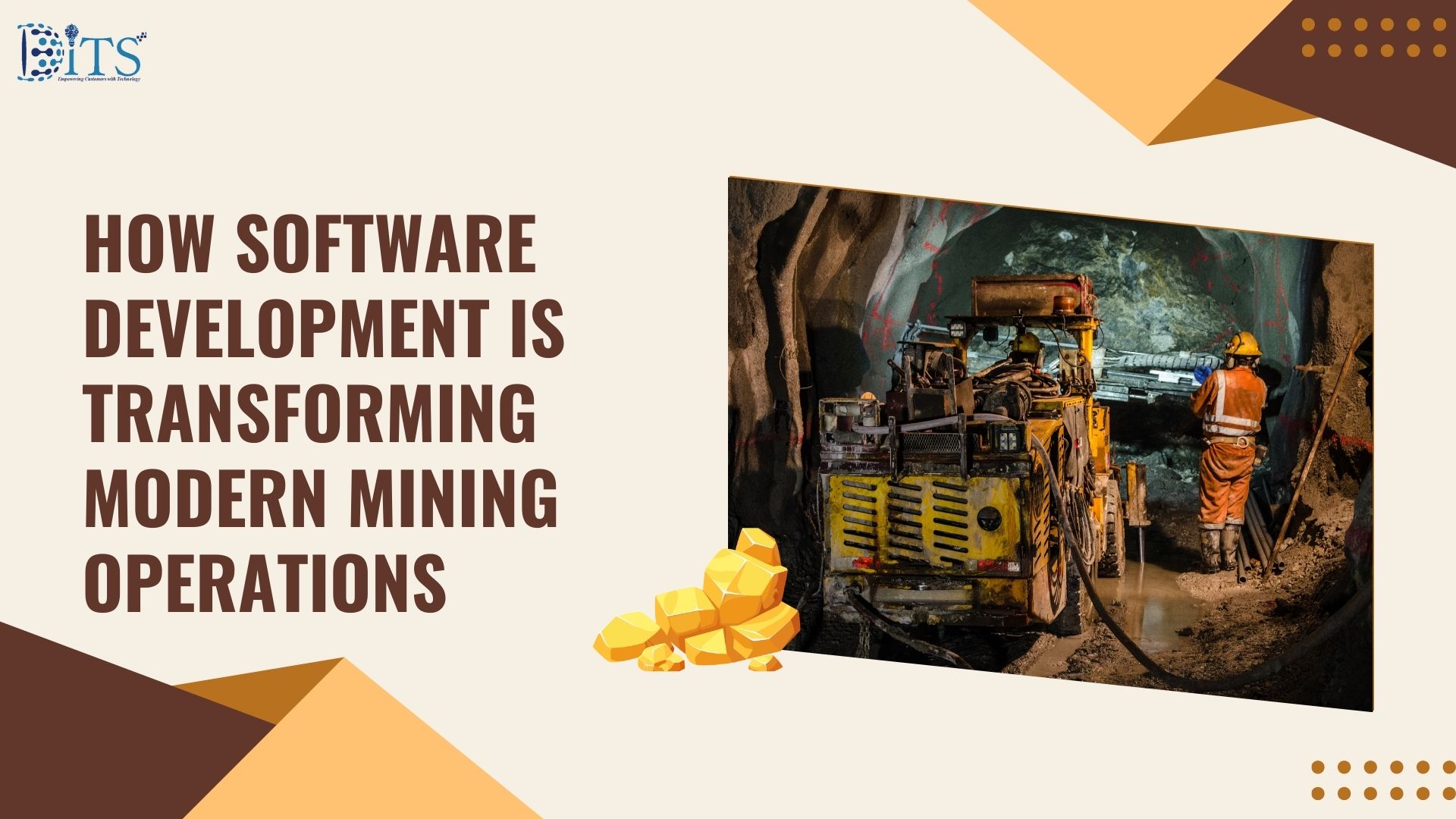
Mining has always been an industry driven by physical assets—heavy machinery, large sites, and complex logistics. For decades, operational success depended primarily on engineering expertise and manual coordination supported by basic digital tools. Today, that reality is changing rapidly.
Modern mining operations are being transformed by software. Not as a supporting function, but as a central driver of efficiency, safety, visibility, and long-term resilience.
The Changing Landscape of Mining Operations
Mining companies now operate in an environment shaped by rising operational costs, stricter safety and environmental regulations, remote site management, and increasing pressure to improve productivity. At the same time, mines generate vast amounts of data from equipment, sensors, production systems, and workforce activities.
Without modern software systems, this data remains fragmented and underutilized. Software development bridges this gap by connecting operations, standardizing processes, and turning information into actionable insight.
Connecting Disconnected Systems
Traditional mining environments often rely on multiple standalone systems—fleet management, maintenance tools, safety logs, spreadsheets, and legacy platforms. These systems rarely communicate effectively with one another.
Custom software development enables integration across these tools, creating a unified operational view. Data flows seamlessly between systems, reducing duplication, delays, and manual reconciliation. Teams gain a shared understanding of what is happening across sites and departments.
From Reactive to Proactive Operations
Historically, many mining decisions were reactive. Equipment failures were addressed after breakdowns. Safety risks were identified through periodic checks. Production issues were discovered through delayed reports.
Modern software-driven platforms enable proactive operations. Real-time monitoring, analytics, and alerts help identify issues before they escalate. Maintenance becomes predictive. Safety monitoring becomes continuous. Decision-making becomes faster and more informed.
Improving Safety Through Digital Systems
Safety remains one of the most critical priorities in mining. Software development plays a key role in strengthening safety management by embedding protocols directly into workflows.
Digital systems support real-time condition monitoring, automated incident reporting, compliance tracking, and faster response coordination. Instead of relying solely on manual processes, safety teams gain continuous visibility and reliable data to support prevention and response.
Learn how advanced software is reshaping mining operations through automation, data analytics, and improved safety standards. Explore this insightful breakdown on Best Tech Blog to see how technology is driving smarter mining.
Operational Efficiency and Cost Control
Efficiency in mining is closely tied to visibility and coordination. Software platforms streamline workflows, automate reporting, and optimize resource utilization.
By reducing manual effort and improving data accuracy, mining companies gain better control over costs, reduce downtime, and improve overall productivity. Software becomes a lever for operational discipline rather than an administrative burden.
Scalability for Growing Mining Operations
Mining operations evolve over time. New sites are added, production volumes change, and regulatory requirements shift. Software development enables scalability by creating flexible platforms that can grow with the business.
New features, integrations, and workflows can be added without rebuilding systems from scratch. This adaptability is critical for long-term operational resilience.
Integration Without Disruption
Digital transformation does not require replacing all legacy systems at once. Modern software development supports phased modernization, integrating new platforms with existing systems.
This approach reduces risk, preserves operational continuity, and allows mining companies to realize value incrementally while modernizing their technology landscape.
Conclusion
Software development is no longer a back-office function in mining—it is a strategic enabler of modern operations. By connecting systems, improving safety, enabling proactive decision-making, and supporting scalable growth, software is reshaping how mines operate in a complex and data-driven world. With the right approach to it solutions for mining industry, mining companies can move beyond maintaining operations toward building smarter, safer, and more resilient mining environments prepared for the future.
FAQs
1. Why is software development important for modern mining operations?
Because it connects systems, improves visibility, enhances safety, and enables data-driven decision-making across complex operations.
2. Can mining software integrate with existing legacy systems?
Yes. Modern solutions are often designed to integrate with ERPs, fleet management tools, and other legacy platforms.
3. How does software help improve safety in mining?
Through real-time monitoring, automated reporting, compliance tracking, and faster response coordination.
4. Is custom software necessary for mining companies?
In most cases, yes. Custom solutions align better with unique workflows, site conditions, and regulatory requirements.
5. How long does it take to implement mining software solutions?
Timelines vary by scope, but many companies use phased implementations to deliver value gradually.
6. Does software development help reduce mining operational costs?
Yes. Improved efficiency, reduced downtime, and better resource utilization contribute to long-term cost control.


Easy tips and tricks to clean your sofa at home
The sofa is the center of your living space. Your sofa is a place where … …
Fun Online Entertainment Experience
KP88 – A Comprehensive Look at a Popular Online Gaming Platform Introduction to KP88 …