Identity Verification Services: Transforming Digital Trust with NFC Identity Verification
Identity Verification Services: Transforming Digital Trust with NFC Identity Verification

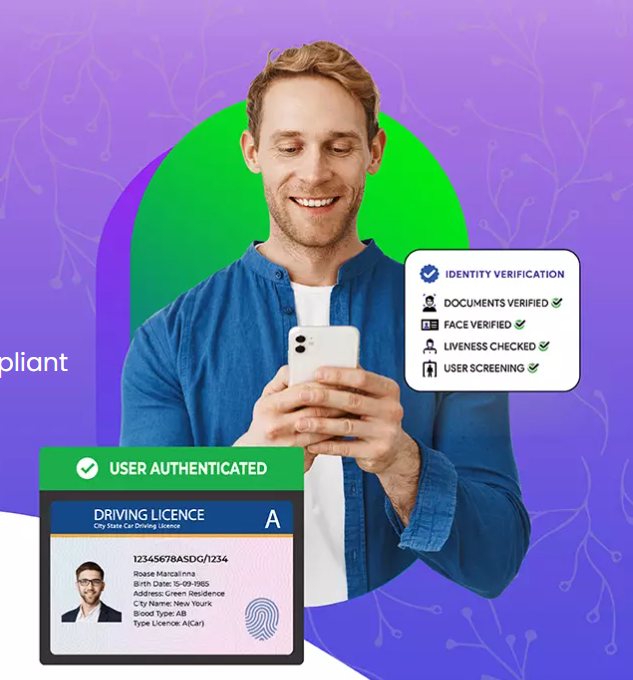
In today’s digital-first economy, businesses must balance seamless customer onboarding with strict regulatory compliance. Identity verification services play a crucial role in ensuring secure, fraud-free digital interactions across industries such as banking, fintech, insurance, telecom, and e-commerce. With the rise of advanced technologies, NFC identity verification has emerged as a powerful solution, offering faster, more accurate, and highly secure identity authentication.
What Are Identity Verification Services?
Identity verification services are digital solutions designed to confirm that a person is who they claim to be. These services typically involve validating government-issued IDs, biometric data, and personal information in real time. By automating the verification process, organizations can reduce manual errors, prevent identity fraud, and meet global KYC (Know Your Customer) and AML (Anti-Money Laundering) regulations.
Modern identity verification platforms combine multiple verification methods such as document verification, face matching, liveness detection, and database checks. This multi-layered approach ensures high accuracy while delivering a frictionless user experience.
The Growing Need for Digital Identity Verification
With increasing online transactions and remote onboarding, identity fraud has become a major concern for businesses. Traditional verification methods are no longer sufficient to combat sophisticated fraud techniques such as forged documents and identity theft. Digital identity verification services provide a scalable and secure way to authenticate users instantly, regardless of location.
Industries such as fintech and banking rely heavily on identity verification services to onboard customers securely while maintaining compliance with regulatory authorities. Similarly, telecom providers and gig economy platforms use digital identity verification to prevent fake accounts and unauthorized access.
Understanding NFC Identity Verification
NFC identity verification is an advanced method that uses Near Field Communication (NFC) technology to verify chip-based identity documents such as ePassports, national ID cards, and residence permits. These documents contain an embedded chip that securely stores encrypted personal and biometric data.
By scanning the NFC chip using a compatible smartphone or device, identity verification services can extract and validate data directly from the document. This eliminates the risk of tampered or forged IDs and ensures the authenticity of the document in real time.
Key Benefits of NFC Identity Verification
One of the biggest advantages of NFC identity verification is its high level of security. Since data is read directly from the encrypted chip, it is extremely difficult for fraudsters to manipulate or replicate. This makes NFC-based verification far more reliable than traditional OCR-based document checks.
Another major benefit is speed and accuracy. NFC identity verification significantly reduces verification time while improving data accuracy. Automated data extraction minimizes human intervention, ensuring faster onboarding and better user experience.
NFC identity verification also supports global compliance. Many governments issue NFC-enabled identity documents that meet international security standards, making this technology ideal for cross-border verification and international customer onboarding.
NFC Identity Verification vs Traditional Verification Methods
While traditional identity verification relies on visual inspection and OCR-based document scanning, NFC identity verification offers a deeper level of authentication. OCR can be vulnerable to spoofing and image-based attacks, whereas NFC verifies data at the chip level, ensuring higher trust and reliability.
When combined with biometric verification such as face matching and liveness detection, NFC identity verification creates a robust, end-to-end identity verification solution. This layered approach significantly reduces fraud risks while maintaining compliance with global regulations.
Future of Identity Verification Services
The future of identity verification services lies in secure, user-friendly, and privacy-focused technologies. As digital identity ecosystems evolve, NFC identity verification will continue to gain traction due to its strong security framework and seamless integration with mobile devices.
Businesses that adopt NFC-based identity verification gain a competitive advantage by offering faster onboarding, enhanced security, and improved customer trust. With increasing regulatory scrutiny and rising fraud threats, investing in advanced identity verification services is no longer optional—it is essential.
Conclusion
Identity verification services are the foundation of secure digital interactions. With the integration of NFC identity verification, businesses can achieve unparalleled security, accuracy, and compliance. As digital onboarding becomes the norm, NFC-based identity verification will play a vital role in building trust, preventing fraud, and enabling safe digital growth.


Easy tips and tricks to clean your sofa at home
The sofa is the center of your living space. Your sofa is a place where … …
Fun Online Entertainment Experience
KP88 – A Comprehensive Look at a Popular Online Gaming Platform Introduction to KP88 …