Unlocking Long-Term Value: The Role of Professional Property Oversight in 2026

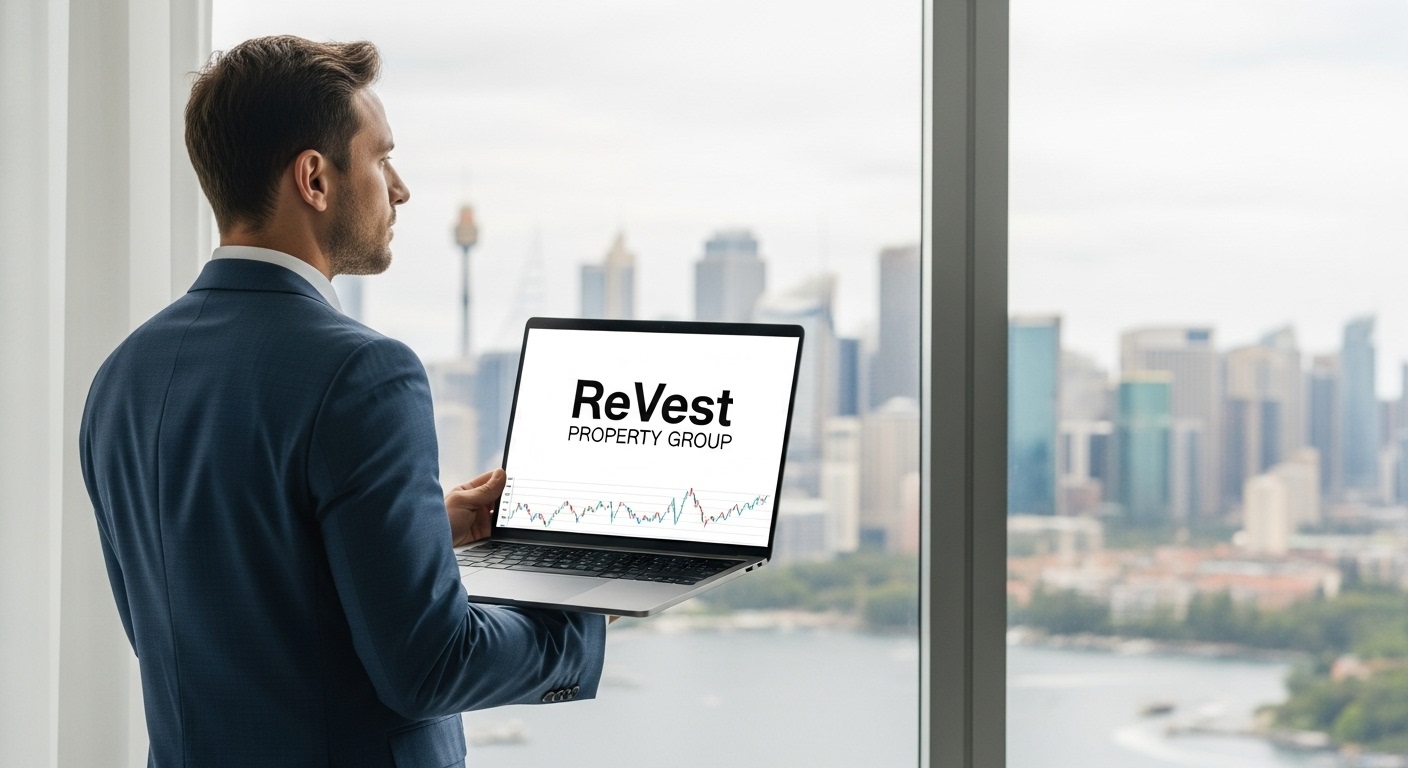
Unlocking long-term value in commercial real estate requires a strategic shift from basic maintenance to professional property oversight. As the Australian market enters 2026, the complexity of managing industrial, retail, and office assets demands a level of expertise that goes far beyond collecting rent. Professional oversight is the systematic management of physical assets, tenant relationships, and financial data to maximise a property’s lifecycle and return on investment (ROI).
Core Attributes of Professional Property Oversight
Professional property oversight integrates technology, compliance, and strategic planning into a single operational framework. This approach treats every asset as a dynamic business rather than a static building.
Key Features
- AI-Driven Analytics: Property managers use predictive tools in 2026 to anticipate maintenance needs months in advance.
- PropTech Integration: Fully connected ecosystems link finance, leasing, and facilities management into one dashboard.
- ESG Compliance Reporting: Professional teams track Scope 1 and 2 emissions as part of standard operational requirements.
- Cloud-Based Portals: Tenant portals allow for 24/7 maintenance requests and real-time financial transparency.
Primary Functions
Professional oversight serves as the linchpin for asset performance by executing daily and long-term tasks. Managers handle lease administration, rent collection, and vendor coordination while focusing on value-add strategies. They perform regular building audits and coordinate emergency repairs to ensure operational continuity.
| Feature | Function | Investor Benefit |
| Predictive Maintenance | Uses IoT sensors to flag equipment anomalies. | Prevents costly emergency failures. |
| Strategic Leasing | Negotiates WALE targets above 5 years. | Ensures predictable, long-term cash flow. |
| ESG Optimisation | Implements smart lighting and waste programs. | Attracts high-value corporate tenants. |
| Financial Reporting | Provides itemised service charge breakdowns. | Builds tenant trust and simplifies audits. |
Use Cases for Advanced Asset Management
Different asset classes require specialised oversight to thrive in the current Australian economic cycle. Professional teams adapt their strategies based on the specific operational demands of each property type.
- Industrial Logistics Hubs: Managers optimise workflows and space utilisation in Smithfield and Wetherill Park warehouses to support e-commerce growth.
- Mixed-Use Developments: Professionals coordinate diverse requirements for medical suites, childcare facilities, and residential units within a single site.
- Retail Neighbourhood Centres: Teams focus on non-discretionary retail fundamental to maintain high occupancy even during economic shifts.
- Premium Office Assets: Management prioritises “flight to quality” amenities like wellness spaces and high-speed connectivity to retain hybrid-work tenants.
visit: https://www.revestpg.com.au/
The Pros and Cons of Professional Oversight
Investing in professional management involves weighing the immediate costs against the long-term gains in asset performance. While it introduces a monthly service fee, the financial benefits often outweigh this expense.
Advantages
- Higher Yields: Professionally managed properties achieve up to 0.4% higher average yields than self-managed assets.
- Faster Re-Leasing: Expert marketing and networks result in 10% faster re-leasing periods.
- Tenant Retention: Professional oversight correlates with 12–15% higher tenant retention rates.
- Risk Mitigation: Comprehensive compliance checks protect owners from legal liabilities and fire safety breaches.
Potential Drawbacks
- Management Fees: Owners must account for a monthly percentage of the gross income for professional services.
- Reduced Direct Control: Handing over daily operations means the owner is less involved in minor property decisions.
Target Audience and Situational Relevance
Professional oversight is essential for investors who own high-value or complex portfolios. It is particularly relevant in 2026 as global capital deployment accelerates and competition for prime assets intensifies.
Target Audience:
- Institutional Investors: Managing large-scale build-to-rent or industrial portfolios.
- Private Landlords: Busy individuals looking for a “stress-free” investment while focusing on their core business.
- SMSF Owners: Investors requiring strict compliance and transparent reporting for superannuation audits.
Situational Relevance:
Professional property oversight is most critical during market rebounds. As Australia anticipates yield compression and rising rents in the second half of 2026, active management ensures that properties are positioned to capture these gains rather than falling behind legacy competitors.
Strategic Value of ReVest Property Group
For owners seeking to optimise their Sydney commercial property, professional management provides a clear path to value creation. ReVest Property Group delivers a customised approach that minimises operational costs while maximising returns. The team’s expertise in industrial and commercial sectors allows them to reposition assets for 2026 compliance standards, ensuring long-term resilience.
By appointing expert oversight, you transform a property from a passive holding into a high-performing asset. In the competitive 2026 landscape, this level of professionalism is the difference between surviving and thriving.



Easy tips and tricks to clean your sofa at home
The sofa is the center of your living space. Your sofa is a place where … …
Fun Online Entertainment Experience
KP88 – A Comprehensive Look at a Popular Online Gaming Platform Introduction to KP88 …