Electric Shuttle Bus for School — Efficient and Eco-Friendly Transport

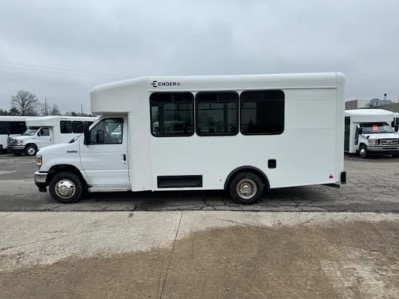
As schools around the world look for sustainable and efficient ways to transport students, the electric shuttle bus has emerged as a leading solution. Designed with modern technology, environmental awareness, and student safety in mind, electric buses are quickly becoming the preferred choice for educational institutions. They not only reduce carbon emissions but also provide a quieter, smoother, and more reliable ride for students every day.
Key Benefits of Electric Shuttle Buses for Schools
1. Cleaner and Healthier Air
Electric buses produce zero tailpipe emissions, making them an eco-friendly choice for urban and suburban environments. By replacing diesel buses with electric ones, schools can dramatically reduce their contribution to air pollution—helping create cleaner air for students, staff, and surrounding neighborhoods.
2. Significant Cost Savings Over Time
While the upfront cost of an electric shuttle bus can be higher than a conventional diesel model, the long-term savings are substantial. Electricity is cheaper than fuel, and electric vehicles have fewer moving parts, which means less maintenance and fewer breakdowns. Over a few years, schools can see a marked reduction in operational expenses.
3. Reduced Noise Pollution
Noise reduction is one of the most underrated yet valuable benefits of electric buses. The quiet operation ensures a peaceful ride for students and minimizes noise levels around school zones. This not only improves the quality of life for the community but also helps students feel more comfortable and less stressed during their commute.
4. Enhanced Safety Features
Modern electric shuttle buses are equipped with advanced safety technologies such as automatic braking systems, collision avoidance sensors, lane assistance, and reinforced body structures. These innovations ensure that children are transported securely from home to school and back. Moreover, since electric buses accelerate smoothly and operate without vibration, the overall travel experience becomes safer and more stable.
Charging Infrastructure and Energy Efficiency
Transitioning to electric transport requires proper planning for charging infrastructure. Schools and municipalities can install charging stations on-site, allowing buses to recharge overnight. The energy efficiency of these buses is impressive—many models can travel between 150 and 250 kilometers on a single charge, depending on battery capacity and route conditions.
With advancements in battery technology, charging times are also becoming faster, allowing for quick turnaround during busy school schedules. Some districts even explore renewable energy solutions such as solar-powered charging stations to make the system completely green.
Government Incentives and Environmental Goals
Governments around the world, including in the UAE, the U.S., and Europe, are supporting the adoption of electric buses through subsidies, grants, and low-interest financing programs. These incentives make it easier for schools to replace aging diesel fleets with sustainable alternatives. By doing so, schools contribute to national goals of reducing greenhouse gas emissions and promoting environmental stewardship among students.
Community Impact and Long-Term Value
Adopting electric shuttle buses has broader community benefits. It sends a strong message about environmental responsibility and leadership in sustainability. Parents and local residents often appreciate schools that prioritize eco-friendly practices, enhancing the institution’s reputation. Additionally, this shift can inspire educational programs that teach students about renewable energy, electric vehicles, and climate change awareness—creating a new generation that values sustainability.
Overcoming Challenges
While the advantages are numerous, the transition to electric buses does come with challenges. Schools must assess factors like charging infrastructure, route length, battery capacity, and initial costs. Partnering with reliable suppliers who understand both transportation needs and local regulations can make this process smoother. Furthermore, as the technology continues to evolve, the overall costs of electric shuttle buses are expected to decrease, making them even more accessible to smaller schools and institutions.
The Future of School Transportation
The future of student transportation lies in sustainable, connected, and intelligent mobility systems. Electric shuttle buses not only reduce emissions but can also integrate with digital management systems for route optimization, maintenance scheduling, and energy monitoring. Over time, these improvements will make school transport safer, greener, and more cost-effective.
Conclusion
The electric shuttle bus represents the next step in modern, environmentally responsible school transportation. With its combination of quiet operation, zero emissions, low maintenance costs, and enhanced safety, it’s a smart long-term investment for schools aiming to create a healthier, more sustainable environment.
As technology improves and more schools make the switch, electric buses will play a crucial role in shaping the future of eco-friendly transportation. By collaborating with trusted shuttle bus manufacturers, educational institutions can ensure quality, durability, and performance while supporting a cleaner, greener planet for the next generation.


Easy tips and tricks to clean your sofa at home
The sofa is the center of your living space. Your sofa is a place where … …
Fun Online Entertainment Experience
KP88 – A Comprehensive Look at a Popular Online Gaming Platform Introduction to KP88 …