Laboratory Equipment Essentials for Accurate Scientific Research

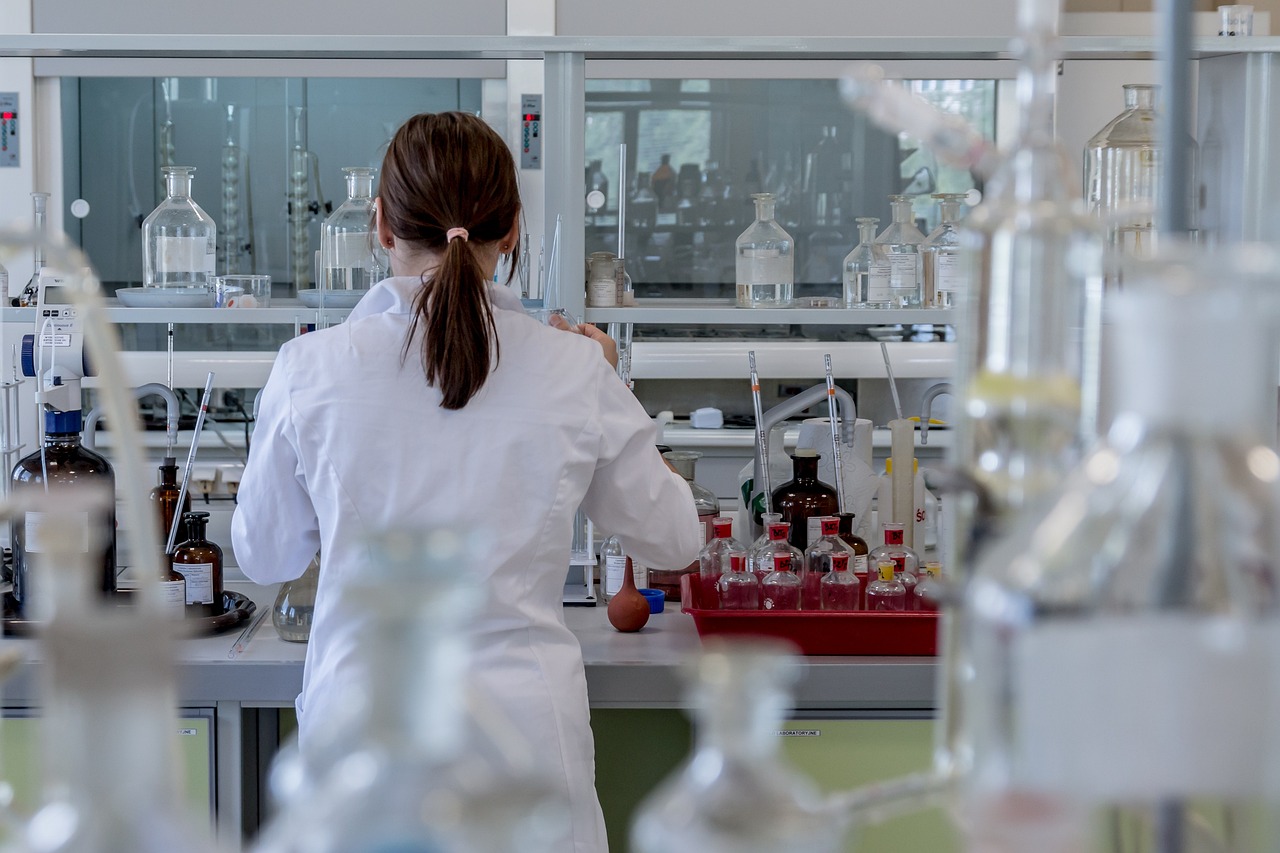
Laboratory equipment encompasses a wide range of tools and instruments essential for conducting precise scientific experiments and research. From basic consumables to advanced analytical devices, these tools ensure accuracy, consistency, and safety in laboratories across various fields. The right laboratory equipment directly impacts the effectiveness and reliability of research results.
Modern labs rely on specialized instruments such as centrifuges, balances, mixers, and temperature control devices to maintain stringent standards. Suppliers play a crucial role by offering high-quality and innovative products to meet the evolving needs of scientific and educational institutions globally.
Understanding the types and functions of laboratory equipment is important for anyone working in research or industry. Proper selection and maintenance of these tools facilitate efficient workflows and help advance scientific discovery.
Types of Laboratory Equipment
Laboratory equipment includes a variety of tools designed for specific tasks such as handling chemicals, measuring substances, and analyzing materials. Each type serves a unique function that is essential for precise and safe scientific work. Proper selection depends on the purpose of the experiment or research.
General Laboratory Instruments
General laboratory instruments consist of tools used for handling, mixing, heating, and storing substances. Common examples include beakers, flasks, and test tubes, which provide containers for reactions or solutions. Instruments like pipettes and droppers allow for the accurate transfer of liquids in small amounts.
Other vital equipment includes bunsen burners for heating and stirrers to mix solutions uniformly. These items are fundamental in most labs, supporting basic procedures in chemistry, biology, and physics. Their design prioritizes durability and safety to withstand exposure to chemicals and heat.
Analytical Instruments
Analytical instruments are specialized devices used to identify, quantify, or characterize the chemical and physical properties of samples. Examples include spectrophotometers, which measure light absorption to determine concentration, and chromatographs that separate mixtures into individual components.
These instruments enable detailed examination of complex samples with high precision. They are often equipped with digital interfaces and software to record and interpret data accurately. Analytical tools are essential in research and quality control across pharmaceuticals, environmental studies, and materials science.
Measuring Devices
Measuring devices provide quantitative data essential for experiments and observations. These devices include balances for weighing solids with high accuracy and thermometers to monitor temperature changes precisely. There are also pH meters used to measure the acidity or alkalinity of solutions.
Accurate measurements ensure reproducibility and validity of scientific results. Measuring devices often feature calibration options to maintain reliability. They come in mechanical and electronic forms, catering to different laboratory needs and the required level of precision.
Proper Care and Safety Procedures
Laboratory equipment must be properly maintained, accurately calibrated, and safely handled to ensure reliable results and prevent accidents. Attention to detail in these areas helps extend equipment lifespan and supports a safe working environment.
Cleaning and Maintenance
Regular cleaning removes contaminants that can affect equipment performance and compromise experimental integrity. Users should follow manufacturer guidelines specific to each instrument, using appropriate cleaning agents and tools.
Maintenance includes routine inspections for wear, damage, and proper function. Components like seals, tubing, and electrical connections require periodic checks and replacement as needed. Documentation of maintenance activities helps track equipment condition and compliance.
Using a checklist for daily, weekly, or monthly cleaning and upkeep tasks ensures consistent care. Proper storage, such as covering instruments when not in use and avoiding exposure to harsh conditions, further protects equipment.
Calibration Techniques
Calibration verifies that equipment provides accurate measurements, a critical step for data validity. It must be performed according to factory recommendations or industry standards using certified reference materials or calibration tools.
The process often involves comparing instrument readings to known values and adjusting settings to align results. Records of calibration dates, methods, and outcomes should be maintained for quality control and audits.
Different equipment types have varying calibration frequencies; for example, balances may require daily or weekly checks, while spectrophotometers might be calibrated monthly. Failure to calibrate can lead to inaccurate data and costly errors.
Safe Handling Practices
Proper handling minimizes risks of injury and equipment damage. Users must be trained on correct procedures before operating any device, including understanding hazards associated with the equipment.
Personal Protective Equipment (PPE) such as gloves and eye protection should be worn as appropriate. Fragile or heavy equipment requires careful lifting techniques and, when necessary, the use of mechanical aids.
Hazardous materials handled within equipment call for additional safety measures like working in biological safety cabinets or using fume hoods. Following standard operating procedures ensures a controlled and safe environment during use.


Easy tips and tricks to clean your sofa at home
The sofa is the center of your living space. Your sofa is a place where … …
Fun Online Entertainment Experience
KP88 – A Comprehensive Look at a Popular Online Gaming Platform Introduction to KP88 …