Top Advantages of Electrical Substation Design Engineering for Utilities

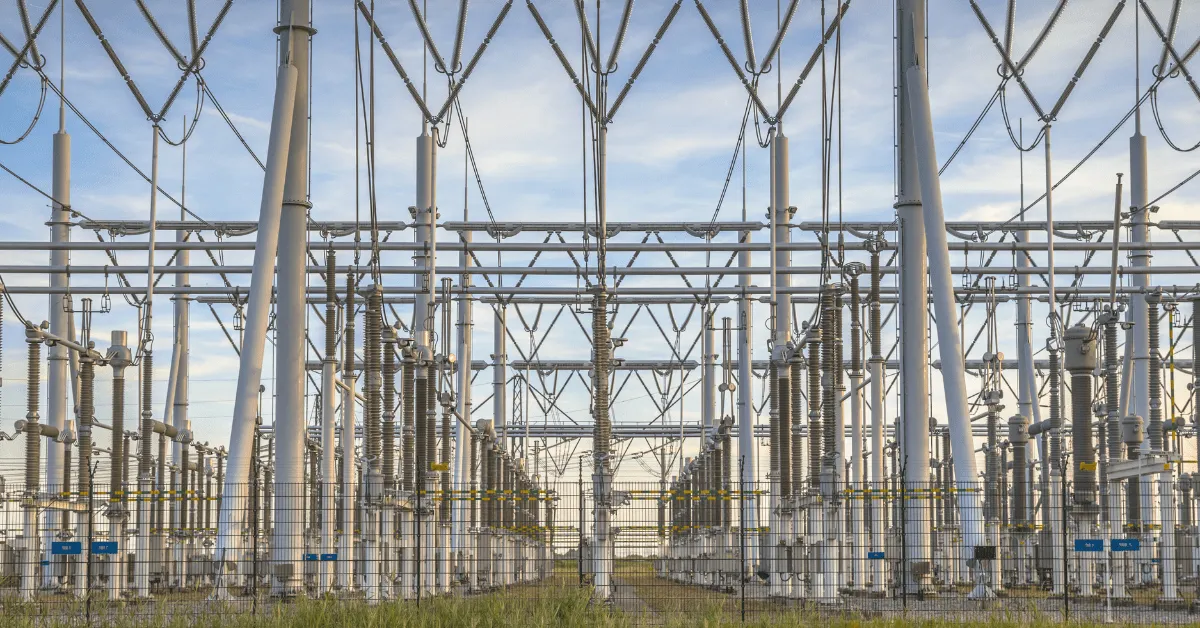
Electrical substation design engineering plays a critical role in how modern utilities generate, transmit, and distribute power safely and efficiently. A substation is not just a collection of equipment; it is a carefully engineered system that controls voltage levels, protects assets, and ensures reliable electricity delivery to homes, industries, and commercial facilities. Without proper design engineering, substations can become points of failure, leading to outages, safety risks, and costly maintenance issues.
For utilities facing growing energy demand, renewable integration, and aging infrastructure, advanced substation design engineering provides a structured approach to meeting today’s challenges while preparing for future expansion. It combines electrical, civil, and control engineering principles to create systems that are both technically sound and operationally practical.
Improved System Reliability and Power Quality
One of the main advantages of electrical substation design engineering is improved system reliability. A well-designed substation minimizes the risk of equipment failure by selecting the right components, defining proper layouts, and incorporating redundancy where needed. Engineers carefully analyze load requirements, fault levels, and protection schemes to ensure uninterrupted power flow under normal and abnormal conditions.
Power quality is also directly influenced by substation design. Proper transformer sizing, grounding systems, and voltage regulation equipment help maintain stable voltage levels and reduce fluctuations. This is especially important for utilities serving sensitive industrial processes or densely populated urban areas where even minor disturbances can have widespread impacts.
Enhanced Safety for Personnel and Equipment
Safety is a top priority for utilities, and electrical substation design engineering addresses this from the earliest planning stages. Engineers design substations to comply with international and local safety standards, ensuring adequate clearances, insulation levels, and grounding systems. This reduces the risk of electrical hazards such as arc flashes, step and touch potentials, and equipment damage.
A thoughtfully designed substation also improves safety for maintenance teams. Clear equipment layouts, accessible control panels, and well-planned cable routing make inspections and repairs safer and more efficient. Over time, this focus on safety helps utilities reduce workplace incidents and protect valuable infrastructure investments.
Cost Efficiency Across the Asset Lifecycle
While professional substation design engineering requires upfront investment, it delivers significant cost savings over the asset’s lifecycle. Efficient designs reduce unnecessary material use, optimize land requirements, and minimize construction complexity. This results in lower capital expenditure during the build phase.
Long-term operational costs are also reduced through smart engineering decisions. Reliable equipment selection, proper thermal management, and effective protection systems lower the frequency of failures and maintenance interventions. Utilities benefit from extended equipment life, fewer emergency repairs, and reduced downtime, all of which contribute to better financial performance.
Scalability and Future-Ready Infrastructure
Utilities operate in a constantly changing environment, with increasing loads, evolving regulations, and the integration of renewable energy sources. Electrical substation design engineering allows for scalability by anticipating future needs during the initial design phase. Engineers can plan space, bus configurations, and control systems that support future expansion without major redesign.
This future-ready approach is particularly important as utilities adopt smart grid technologies and digital monitoring systems. Modern substation designs accommodate advanced protection relays, communication networks, and automation features, enabling utilities to adapt quickly to new technologies and regulatory requirements.
Seamless Integration of Renewable Energy Sources
The global shift toward renewable energy has added complexity to power systems. Electrical substation design engineering helps utilities integrate solar, wind, and other renewable sources smoothly into the grid. Engineers design substations that can handle variable power flows, bidirectional energy transfer, and fluctuating voltage levels associated with renewables.
Proper design also ensures compliance with grid codes and stability requirements. By addressing these challenges at the design stage, utilities can avoid operational issues and maximize the benefits of clean energy integration while maintaining grid reliability.
Regulatory Compliance and Standardization
Utilities must comply with strict regulatory standards related to safety, performance, and environmental impact. Electrical substation design engineering ensures that substations meet all applicable codes and standards from the outset. Engineers stay updated on industry regulations and incorporate compliance into every aspect of the design.
Standardization is another key benefit. Consistent design practices across multiple substations simplify operations, training, and spare parts management. This uniformity allows utilities to streamline processes and maintain consistent performance across their networks.
Optimized Operations and Maintenance
Efficient substation design has a direct impact on daily operations and long-term maintenance. Clear layouts, logical equipment grouping, and well-designed control systems make it easier for operators to monitor and manage the substation. Advanced designs often include remote monitoring capabilities, allowing utilities to detect issues early and respond proactively.
Maintenance becomes more predictable and less disruptive when substations are engineered with accessibility and reliability in mind. This leads to better asset management and improved service continuity for end users.
Why Keentel Engineering Is the Right Partner for Substation Design
Keentel Engineering brings deep expertise in electrical substation design engineering, supporting utilities with solutions that balance technical excellence and practical execution. The team focuses on creating safe, reliable, and scalable substation designs tailored to each project’s specific requirements. By combining industry knowledge, modern engineering tools, and a clear understanding of utility challenges, Keentel Engineering helps clients build infrastructure that performs efficiently today while remaining adaptable for future growth.


Easy tips and tricks to clean your sofa at home
The sofa is the center of your living space. Your sofa is a place where … …
Fun Online Entertainment Experience
KP88 – A Comprehensive Look at a Popular Online Gaming Platform Introduction to KP88 …