Ceramic Coating Car Benefits and Maintenance Guide

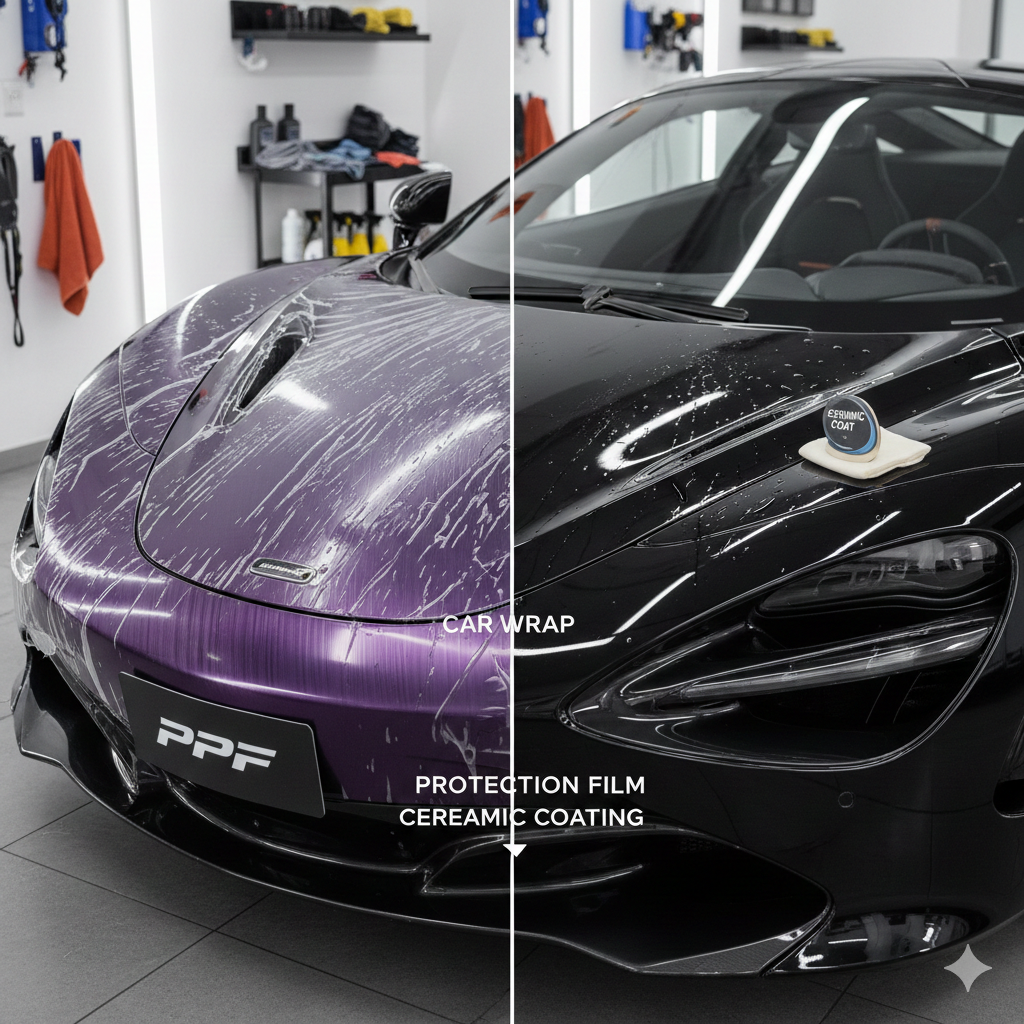
Ceramic coating car is a liquid polymer that bonds chemically to a car’s clear coat, creating a durable layer of protection. It shields the vehicle’s paint from scratches, UV damage, and contaminants while enhancing the car’s shine and making it easier to clean. This makes ceramic coating a practical investment for maintaining a vehicle’s appearance over time.
The process goes beyond regular waxing by forming a strong, long-lasting barrier, often using advanced nano-technology. With growing interest in cities like Montreal, where weather conditions can be harsh, many car owners are turning to ceramic coatings to preserve their vehicles’ finish and value.
Choosing the right ceramic coating involves understanding its benefits and maintenance requirements. It provides reliable protection but needs proper care to maintain its effectiveness, such as avoiding abrasive washes and using booster sprays.
What Is Ceramic Coating For Cars?
Ceramic coating is a specially formulated liquid polymer that bonds to a vehicle’s paint on a molecular level. It creates a protective layer designed to enhance durability and maintain the car’s finish. This technology involves various types of coatings, each with specific benefits and application methods.
How Ceramic Coating Works
Ceramic coating consists mainly of silicon dioxide (SiO₂), which forms a chemical bond with the car’s factory paint when applied and cured. Unlike wax or traditional sealants that sit on the surface, ceramic coatings become semi-permanent, creating a transparent, hard shell. This layer enhances resistance to environmental contaminants, UV rays, and minor scratches.
Once cured, the coating repels water and dirt, making cleaning easier and reducing the risk of paint damage. The nanoscale particles in the coating fill the microscopic pores of the paint surface, improving smoothness and gloss. Application usually requires meticulous prep work to ensure proper adhesion and long-term effectiveness.
Types Of Ceramic Coatings
Ceramic coatings vary by chemical composition, thickness, and intended use. Common formulations include:
- Silicon dioxide (SiO₂) coatings: The most widespread type, known for hardness and clarity.
- Graphene-infused coatings: A newer variant offering improved durability and heat dissipation.
- Hybrid coatings: Combine ceramic elements with polymers or synthetic substances to balance protection and ease of application.
There are professional-grade coatings applied by specialists and consumer-level kits meant for DIY use. Professional coatings generally provide longer-lasting and more reliable protection but involve higher upfront costs.
Key Benefits For Vehicles
Ceramic coating offers several practical advantages for vehicle owners. These include:
- Durability: The coating resists chemical stains, oxidation, and minor abrasion better than wax.
- Hydrophobic properties: Water beads and slides off easily, reducing water spots and grime buildup.
- UV protection: It mitigates paint fading caused by sun exposure.
- Enhanced gloss: The surface develops a noticeable sheen, maintaining a fresh appearance longer.
- Reduced maintenance: Cars require less frequent washing and polishing, saving time and effort.
While ceramic coatings protect paint well, they do not make the vehicle completely scratch or chip-proof. Proper application and maintenance still play critical roles in maximizing benefits.
Application Process And Maintenance
Applying ceramic coating requires careful preparation and technique to ensure durability and effectiveness. Maintaining the coating after application is equally critical to preserve the protective qualities over time.
Professional Vs DIY Application
Professionals have access to advanced tools, controlled environments, and expert surface preparation techniques. They typically perform thorough paint correction before applying the coating, which improves adhesion and results in a smoother finish.
DIY kits are more affordable and accessible but demand precision and patience. The application often requires strict adherence to curing times and working in a dust-free area. Mistakes such as uneven application or improper surface cleaning can reduce coating performance.
Choosing between professional and DIY depends on budget, experience, and desired outcomes. Professional work usually provides longer-lasting protection and a higher gloss level, while DIY may suit those comfortable with detailed automotive care.
Step-By-Step Application Guide
Preparation starts with washing and decontaminating the vehicle’s surface. Paint correction removes imperfections to create a smooth base.
Next, the paint surface must be wiped down with isopropyl alcohol or a similar solvent to remove oils or residues. Applying ceramic coating involves using an applicator pad to spread the liquid in thin, even layers.
Each panel should be coated systematically, allowing for a brief curing period before wiping off any excess residue with a microfiber cloth. Curing times can vary but typically require 24 to 48 hours in a controlled environment.
Multiple layers may be applied for enhanced protection, with recommended waiting periods between coats advised by the product manufacturer.
Maintenance Tips For Longevity
Routine washing with pH-neutral soaps helps preserve the coating without stripping its protective layer. Avoid abrasive cleaners or automatic brushes that can cause micro-scratches.
Regular inspections allow identifying any contaminants like bird droppings or tree sap, which should be removed promptly using gentle methods.
Applying a ceramic coating booster or maintenance spray every few months can refresh hydrophobic properties and extend durability.
Garage parking and minimizing exposure to harsh chemicals and extreme weather also contribute to maintaining the coating’s condition and appearance over time.


Easy tips and tricks to clean your sofa at home
The sofa is the center of your living space. Your sofa is a place where … …
Fun Online Entertainment Experience
KP88 – A Comprehensive Look at a Popular Online Gaming Platform Introduction to KP88 …