Home Evaluation Essentials for Accurate Property Pricing

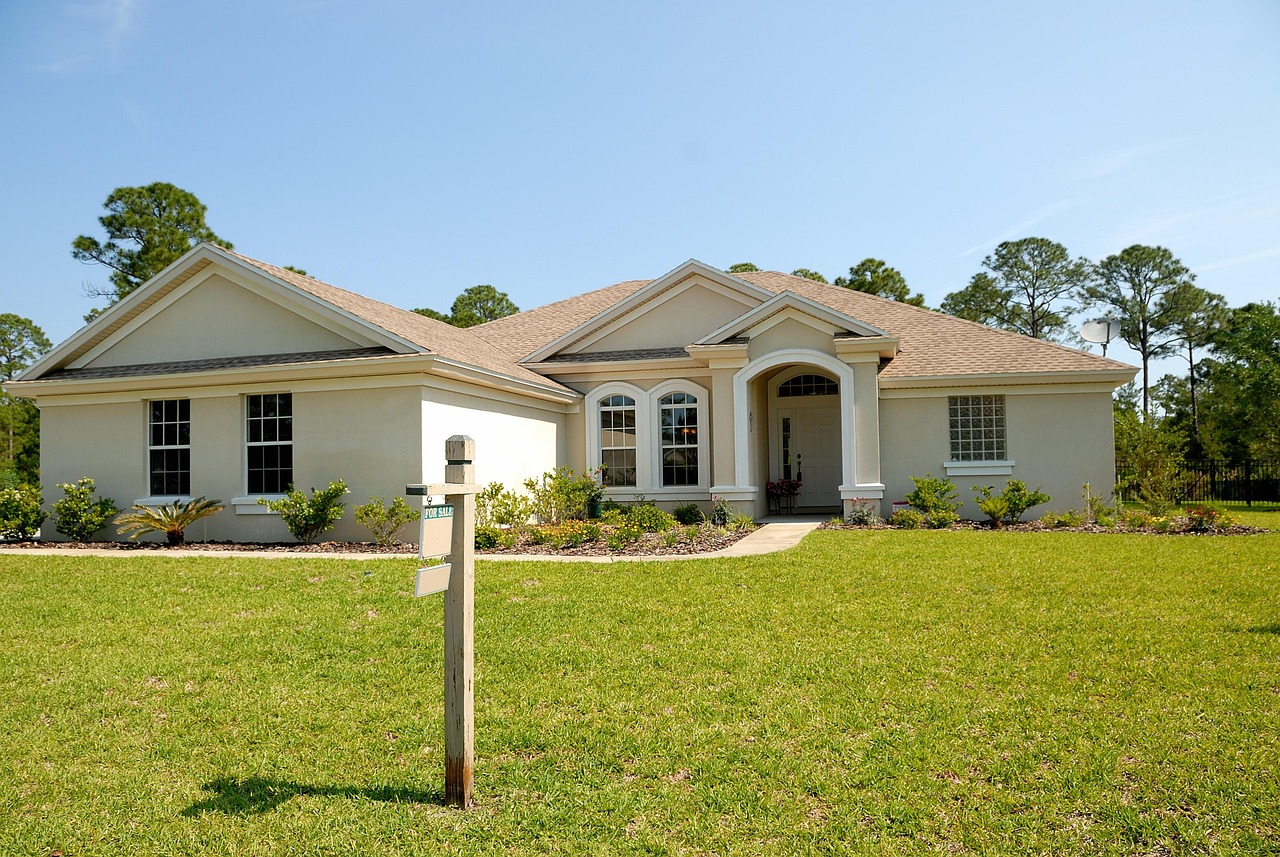
A home evaluation provides an estimated market value of a property based on factors like location, size, condition, and recent sales of similar homes nearby. It offers homeowners an informed understanding of what their property is worth in the current real estate market. This insight is essential for decisions related to selling, refinancing, or planning renovations.
Typically, a home evaluation is done by real estate agents or through online tools that analyze comparable sales and property features. Some evaluations include a detailed inspection of the home’s interior and exterior, while others rely on algorithms using up-to-date market data. Either way, the goal remains the same: guiding property owners with accurate and timely value estimates.
What Is Home Evaluation?
A home evaluation estimates a property’s current market value by comparing it to similar homes nearby. It involves analyzing features like size, condition, location, and recent sales to provide a realistic price range. Understanding who performs these evaluations and how they differ from appraisals helps homeowners make informed decisions.
Definition and Purpose
A home evaluation is an assessment intended to estimate a property’s value in the current real estate market. It considers factors such as recent sale prices of comparable homes, the property’s physical characteristics, and notable features that add or detract value. This estimate is useful for sellers setting a competitive price, buyers assessing offers, or homeowners curious about their property’s worth.
Home evaluations do not guarantee a fixed value but provide a well-researched estimate to guide decisions. They are commonly used during the selling process to attract buyers and determine a fair listing price.
Home Evaluation Versus Appraisal
While both home evaluations and appraisals assess property value, they serve different purposes and methodologies. A home evaluation, often called a Comparative Market Analysis (CMA), relies on market data and the judgment of real estate professionals. It emphasizes recent sales and local market trends.
In contrast, an appraisal is a formal, unbiased report conducted by a licensed appraiser. It focuses strictly on the home’s physical condition and features, often required by lenders during mortgage approval. Appraisals follow standardized guidelines, whereas evaluations have more flexibility depending on the agent’s approach.
Who Performs Home Evaluations?
Home evaluations are typically performed by real estate agents or brokers with knowledge of the local market. These professionals gather information about the property, examine comparable sales, and analyze market conditions to develop the estimate.
They may visit the home to note its condition and unique elements impacting value. Unlike appraisers, real estate agents base evaluations partly on current market demand and buyer behavior. The accessibility of free home evaluations through agents makes them a common choice for homeowners exploring sale options.
Key Factors Influencing Home Evaluation
A home’s appraisal depends on multiple specific factors that determine its market value accurately. These include the property’s location, physical condition, and comparisons with similar recently sold homes nearby.
Location and Neighborhood
Location remains one of the most critical elements affecting home evaluation. Proximity to schools, public transportation, shopping centers, and recreational areas significantly boosts value. Safety and the overall reputation of the neighborhood also play a major role.
Local zoning laws, future development plans, and community amenities impact desirability. Homes in well-established neighborhoods with low crime rates and good infrastructure typically receive higher appraisals. Conversely, locations near noisy highways or industrial zones may lower appraisal values.
Property Condition and Upgrades
The physical state of a home strongly influences its appraisal. Well-maintained properties with updated systems—such as plumbing, electrical, and HVAC—usually achieve higher valuations. Obvious damage, deferred maintenance, or outdated features can reduce value.
Upgrades that enhance functionality or aesthetics, like renovated kitchens and bathrooms, energy-efficient windows, or modern flooring, add measurable value. The appraiser considers both the quality and age of improvements. Structural soundness, cleanliness, and curb appeal also affect the evaluation directly.
Comparable Market Sales
Appraisers rely heavily on comparable sales—recent transactions of similar properties in the same area. These “comps” establish a benchmark for market value by considering size, age, condition, and features.
The closer the comparables match the subject property in characteristics, the more accurate the value estimate. Differences are adjusted for any variances in lot size, upgrades, or market timing. In fast-changing markets, recent sales data is especially crucial to reflect current demand and pricing trends.



Easy tips and tricks to clean your sofa at home
The sofa is the center of your living space. Your sofa is a place where … …
Fun Online Entertainment Experience
KP88 – A Comprehensive Look at a Popular Online Gaming Platform Introduction to KP88 …