How an Espresso Grinder Improves Operational Efficiency

Introduction
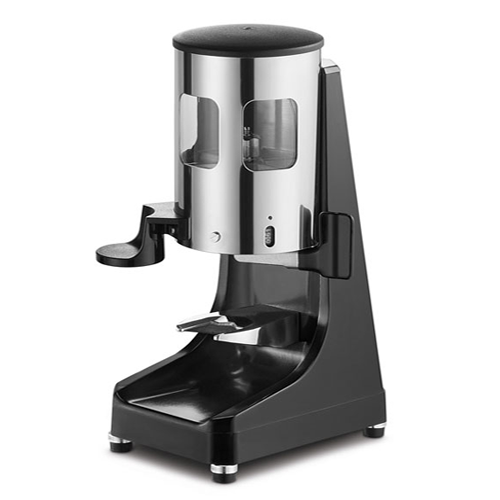
In fast-paced coffee environments, operational efficiency is the difference between smooth service and constant delays. While many focus on brewing techniques and staff training, one often-overlooked factor plays a critical role from the very first step of preparation: the espresso grinder. By delivering consistent grind quality, reducing waste, and streamlining workflows, this essential piece of equipment directly influences how efficiently a coffee operation runs from morning rush to closing time.
Consistency as the Foundation of Efficiency
Efficiency begins with consistency. When coffee grounds vary in size, extraction becomes unpredictable, leading to repeated adjustments, wasted beans, and inconsistent beverages. A well-calibrated grinder produces uniform particles, ensuring predictable extraction every time. This consistency minimizes trial-and-error during service, allowing staff to focus on speed and accuracy rather than constant corrections.
With consistent grinding, baristas spend less time troubleshooting taste issues and more time serving customers. Over the course of a busy day, those saved seconds add up to smoother operations and shorter queues.
Faster Workflow and Reduced Preparation Time
In high-volume settings, time management is crucial. Manual or poorly performing grinders slow down preparation, especially during peak hours. Efficient grinding equipment is designed to deliver precise doses quickly, eliminating bottlenecks at the preparation station.
When grinding is fast and reliable, staff can maintain a steady workflow. Orders move seamlessly from grinding to brewing without unnecessary pauses. This rhythm reduces stress on employees and helps maintain service quality even during the busiest periods.
Minimizing Waste and Controlling Costs
Operational efficiency is not only about speed; it also involves cost control. Inconsistent grinding often results in wasted coffee due to incorrect extraction or repeated test shots. Over time, this waste significantly impacts operating expenses.
A high-quality grinder reduces these losses by delivering accurate grind sizes that support proper extraction from the start. Less wasted coffee means lower ingredient costs and better inventory control. This efficiency also simplifies daily stock management, as usage becomes more predictable and measurable.
Simplified Training for Staff
Training new staff can be time-consuming, especially when equipment is difficult to operate or inconsistent in performance. User-friendly grinders with clear settings and stable output make it easier for new employees to learn quickly.
When staff can rely on equipment to perform consistently, training focuses more on customer service and workflow rather than constant technical adjustments. This reduces onboarding time and helps new team members become productive faster, improving overall operational efficiency.
Supporting Quality Control Without Slowing Service
Maintaining quality standards often requires additional checks, which can slow down service if processes are inefficient. A reliable grinding system supports quality control by ensuring each dose meets established standards without requiring manual intervention.
Because grind consistency is maintained automatically, managers and supervisors spend less time correcting errors or addressing customer complaints. This balance between quality and speed is essential for sustainable, efficient operations.
Reduced Equipment Downtime
Frequent breakdowns or performance issues disrupt operations and lead to costly downtime. Efficient grinders are built for durability and continuous use, reducing the likelihood of mechanical failures during service hours.
Lower maintenance needs translate into fewer interruptions and more predictable daily operations. When equipment performs reliably, scheduling becomes easier, and staff can work with confidence, knowing that delays are unlikely.
Improved Coordination Between Stations
In busy coffee setups, multiple stations often work together to fulfill orders. If one station lags, the entire operation slows down. Grinding is one of the first steps in beverage preparation, so any delay at this stage affects everything downstream.
An efficient grinder ensures that the preparation process starts smoothly, allowing brewing and serving stations to operate at full capacity. This coordination improves overall flow and reduces customer waiting times.
Enhancing Customer Turnover
Operational efficiency directly impacts customer experience. Faster service, consistent quality, and fewer errors encourage customers to return and recommend the establishment to others. When orders are prepared quickly and correctly, customer turnover increases without sacrificing quality.
Over time, this efficiency supports higher daily sales volumes and better use of staff and resources, contributing to long-term operational success.
Adapting to High-Demand Periods
Peak hours test the limits of any coffee operation. Equipment that performs well during quiet times may struggle under pressure. Efficient grinding systems are designed to handle high demand without compromising performance.
By maintaining consistent output during rush periods, operations can scale service smoothly. Staff remain productive, and customers experience reliable service even when demand is high.
Final Thought: Efficiency That Starts at the Grind
Operational efficiency is built from the ground up, starting with preparation. A dependable grinder streamlines workflows, reduces waste, supports staff performance, and enhances service speed without compromising quality. When paired with a well-maintained espresso coffee machine, the entire operation benefits from smoother processes and more consistent results. Investing in efficient grinding is not just about better coffee, it is about building a more reliable, productive, and profitable operation.


Easy tips and tricks to clean your sofa at home
The sofa is the center of your living space. Your sofa is a place where … …
Fun Online Entertainment Experience
KP88 – A Comprehensive Look at a Popular Online Gaming Platform Introduction to KP88 …