Sustainable and Handcrafted Indian Ethnic Wear for Women
Celebrating Tradition, Craftsmanship, and Conscious Fashion

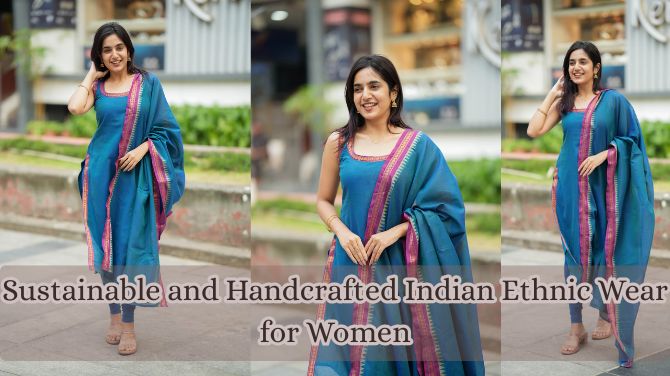
In recent years, fashion has evolved beyond trends and aesthetics to embrace responsibility, ethics, and cultural preservation. Sustainable fashion is no longer a niche concept—it is a conscious lifestyle choice. Within this movement, Indian Ethnic Wear for Women holds a special place, blending timeless traditions with eco-friendly practices. Handcrafted ethnic clothing celebrates India’s rich textile heritage while supporting artisans and minimizing environmental impact.
The Meaning of Sustainability in Ethnic Fashion
Sustainability in ethnic wear goes beyond using natural fabrics. It includes ethical sourcing of raw materials, low-impact dyeing techniques, fair wages for artisans, and long-lasting designs that reduce fast-fashion waste. Traditional Indian garments were inherently sustainable—crafted slowly, worn for years, and often passed down through generations. Today, designers and brands are reviving these age-old practices to create clothing that respects both people and the planet.
The Beauty of Handcrafted Indian Ethnic Wear
Handcrafted ethnic wear is a reflection of India’s diverse art forms. From intricate handloom weaving to detailed embroidery, every piece tells a story of skill and tradition. Techniques such as block printing, zari work, ikat weaving, and hand embroidery are labor-intensive, making each garment unique. Unlike mass-produced outfits, handcrafted pieces carry subtle imperfections that enhance their charm and authenticity.
By choosing handcrafted clothing, women not only wear something exclusive but also help sustain traditional crafts that are at risk of fading away.
Eco-Friendly Fabrics and Natural Dyes
One of the strongest pillars of sustainable ethnic wear is the use of natural and biodegradable fabrics. Cotton, silk, linen, khadi, and organic blends are breathable, skin-friendly, and environmentally responsible. These materials require fewer chemicals and less energy during production compared to synthetic fabrics.
Natural dyes derived from plants, minerals, and herbs are also making a comeback. While they may offer softer tones than chemical dyes, they are safer for the environment and create a distinctive, earthy elegance that perfectly complements ethnic designs.
Supporting Artisans and Local Communities
Handcrafted ethnic wear plays a vital role in empowering rural artisans and small weaving communities. Many crafts are family traditions passed down through generations. Sustainable fashion ensures artisans receive fair compensation and recognition for their work, helping preserve livelihoods and cultural identity.
When women choose handcrafted garments, they directly contribute to ethical employment and community development, turning fashion into a meaningful social impact.
Sustainable Choices for Festive and Wedding Wear
Festive occasions and weddings are integral to Indian culture, often associated with elaborate outfits. Today, many women are opting for sustainable alternatives that combine grandeur with responsibility. Handcrafted lehengas, sarees, and salwar suits made with traditional techniques offer elegance without excess waste.
Sustainable Wedding Party Dresses for Women focus on timeless silhouettes, reusable designs, and high-quality craftsmanship. These outfits can be restyled or repurposed for future events, making them both stylish and practical.
Traditional Silhouettes with Modern Sensibilities
Sustainable ethnic fashion doesn’t mean compromising on style. Designers are reimagining traditional silhouettes with contemporary cuts, subtle embellishments, and versatile designs. Outfits like the Langa Davani Dress, a traditional South Indian ensemble, are being crafted with handwoven fabrics and minimalistic detailing, making them suitable for modern celebrations while retaining cultural essence.
This fusion of tradition and modernity allows women to express individuality while staying rooted in heritage.
Longevity Over Fast Fashion
One of the biggest advantages of sustainable handcrafted ethnic wear is durability. High-quality fabrics and meticulous craftsmanship ensure garments last longer, both physically and stylistically. Instead of following fleeting trends, these pieces focus on classic designs that remain relevant year after year.
Investing in fewer, better-quality outfits reduces wardrobe clutter and promotes mindful consumption—a key principle of sustainable living.
Caring for Handcrafted Ethnic Wear
Proper care extends the life of sustainable garments. Gentle washing, air drying, and careful storage help preserve fabric quality and craftsmanship. Many handcrafted pieces are best dry-cleaned or hand-washed using mild detergents. With the right care, these garments can remain beautiful for years and even become heirloom pieces.
The Future of Sustainable Ethnic Fashion
As awareness grows, sustainable and handcrafted ethnic wear is gaining global recognition. Women are increasingly valuing authenticity, comfort, and ethical practices over mass-produced fashion. This shift encourages designers, artisans, and consumers to work together toward a more responsible fashion ecosystem.
Conclusion
Sustainable and handcrafted Indian ethnic wear represents more than clothing—it is a celebration of culture, craftsmanship, and conscious living. By choosing eco-friendly fabrics, supporting artisans, and investing in timeless designs, women can make fashion choices that are elegant, meaningful, and responsible. In doing so, they help preserve India’s rich textile heritage while shaping a more sustainable future for fashion.


Easy tips and tricks to clean your sofa at home
The sofa is the center of your living space. Your sofa is a place where … …
Fun Online Entertainment Experience
KP88 – A Comprehensive Look at a Popular Online Gaming Platform Introduction to KP88 …