Mining in Michigan: Economic Impact and Industry Trends in 2025

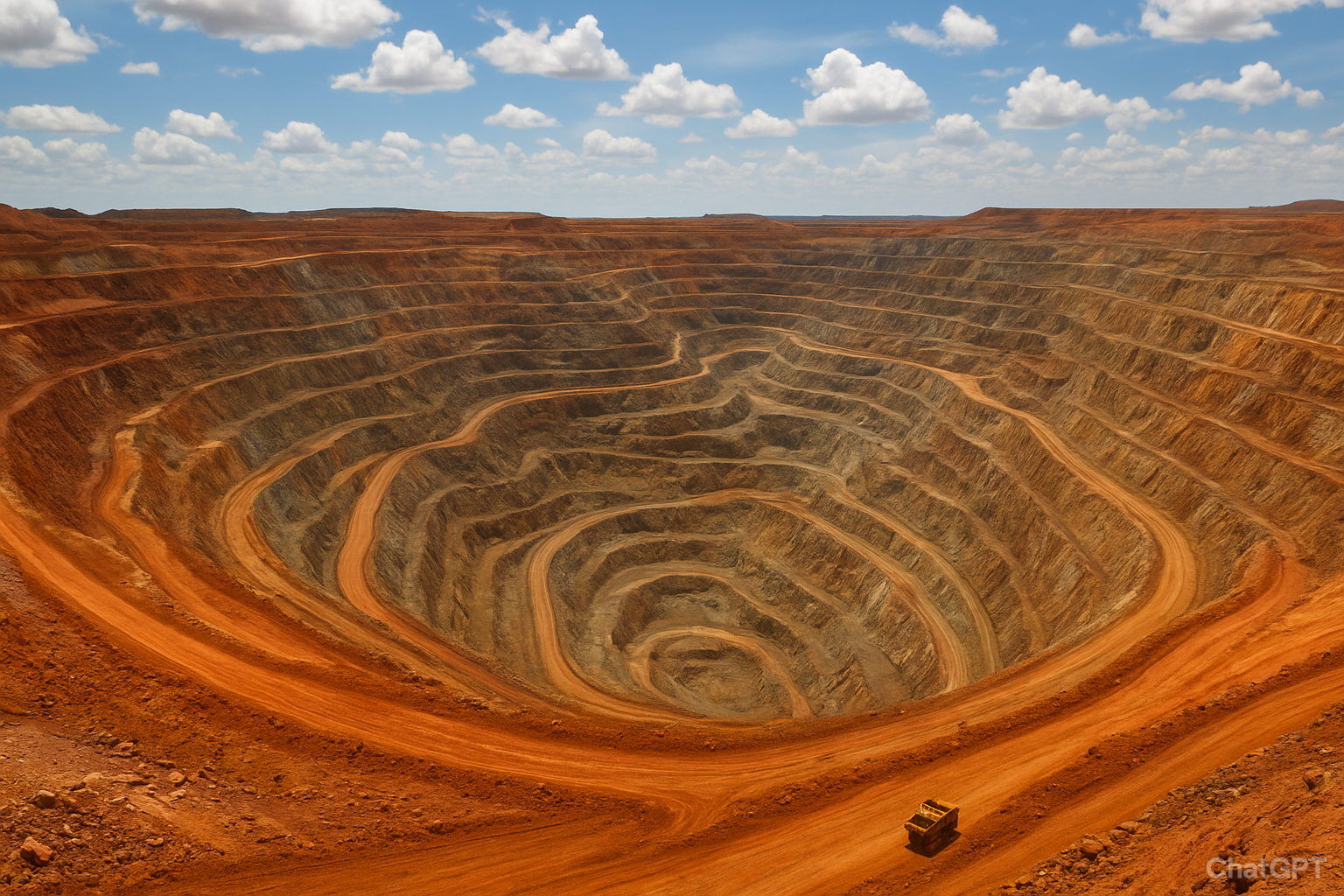
Mining in Michigan has been a significant industry for over 150 years, contributing to the state’s economy through diverse minerals such as iron, copper, silver, potash, and construction materials. The state ranks 11th in the U.S. for nonfuel mineral production value, producing essential resources like cement, sand, gravel, and even gemstones.
Michigan’s rich mining history includes not only its famous copper mines in the Upper Peninsula but also emerging projects like potash mining, which could support new technologies like industrial batteries. This combination of historic legacy and evolving industries keeps Michigan relevant in the mining sector today.
The state regulates various mining activities, including metallic and sand dune mining, ensuring that economic benefits balance with environmental concerns. Exploring Michigan’s mines reveals more than just minerals; it uncovers stories of innovation, community, and ongoing resource development.
Mining Industry Overview in Michigan
Michigan’s mining sector involves extracting diverse minerals critical for both traditional industries and emerging technologies. Concentrated mainly in the Upper Peninsula, mining continues to impact the state’s economy by producing metals and construction materials while adapting to environmental and regulatory standards.
Major Mineral Resources
Michigan is a notable producer of copper, iron ore, and nickel, especially in the Upper Peninsula known for its rich metallic deposits. Other significant minerals include gypsum, cement, sand, and gravel used in construction and industrial applications.
The state contributes over 3% of the total U.S. nonfuel mineral production value. Copper and iron ore remain foundational due to their historical and economic importance. Meanwhile, nickel mining is growing, driven by demand for battery materials in clean energy technologies.
History of Mining in Michigan
Michigan’s mining history dates back more than 150 years, with early development focused on copper and iron ore extraction. The Upper Peninsula’s mineral wealth supported industrial expansion throughout the late 19th and early 20th centuries.
Mining boomed with the discovery of large ore deposits, leading to the establishment of numerous mines and related communities. While many early mines have closed, the legacy left infrastructure and knowledge supporting ongoing mineral exploration and extraction.
Current Mining Operations
Modern operations in Michigan combine legacy iron and copper mines with renewed interest in nickel, driven by battery technology demand. Around 800 mines, including active and prospect sites, have been documented, illustrating a dynamic industry profile.
Mining today employs advanced technologies to improve extraction efficiency and reduce environmental impact. Active sites focus on sustainable practices while contributing substantially to local economies within the Upper Peninsula and beyond.
Regulations and Permitting
Mining activities in Michigan are regulated at state and federal levels to ensure environmental protection and resource management. The Michigan Department of Environment, Great Lakes, and Energy oversees permitting, reclamation, and monitoring processes.
The state balances industrial growth with conservation by enforcing strict environmental standards, including water quality, air emissions, and land restoration requirements. This regulatory framework supports industry resilience while mitigating ecological risks.
Economic, Environmental, and Future Perspectives
Mining in Michigan continues to shape local economies, while also posing significant environmental challenges. The industry balances job creation, resource supply, and environmental stewardship through evolving practices and regulatory frameworks.
Economic Impact of Mining
Mining remains a critical component of Michigan’s economy, particularly in the Upper Peninsula, where copper and nickel extraction supports numerous jobs. Historically, mines employed tens of thousands, and modern operations still provide skilled employment and contribute to local business growth.
Michigan also produces construction materials like cement and sand, diversifying its mining sector. The mining industry supports supply chains vital to manufacturing and clean technology sectors, boosting statewide economic resilience.
Revenue from minerals helps local governments fund public services and infrastructure. Development projects like the Copperwood mine highlight mining’s ongoing potential to generate economic value while stimulating regional development.
Environmental Management and Sustainability
Michigan’s mining sector faces strong environmental oversight aimed at protecting water, soil, and ecosystems near mining sites. Companies incorporate monitoring programs and work to minimize pollution and habitat disruption.
Community involvement plays a significant role in shaping environmental policies and compliance. Transparency and engagement help address concerns related to emissions, waste management, and transportation corridors linked to mining activities.
Recent efforts focus on sustainable mining practices, including reducing land disturbance and improving waste handling, reflecting the state’s commitment to environmental protection alongside resource extraction.
Reclamation and Land Rehabilitation
Land reclamation is legally required for Michigan mining operations to restore disturbed areas after mining ends. Measures often include soil replacement, reforestation, and erosion control to rebuild ecosystem functions.
Reclaimed lands sometimes support new habitats or are repurposed for agriculture or recreation. These efforts aim to mitigate long-term environmental impacts and facilitate community acceptance of mining.
Advanced rehabilitation plans incorporate input from environmental scientists and local stakeholders, ensuring restoration techniques address site-specific conditions and promote sustainable land use post-mining.
Future Trends in Michigan Mining
Michigan is poised to expand mining focused on critical minerals vital for clean energy technologies, reinforcing the state’s role in national supply chains. Emerging projects like Copperwood are designed with economic growth and environmental safeguards in mind.
Investment in innovation targets improved extraction methods and waste reduction. Additionally, collaboration across industry, government, and communities seeks to enhance the sector’s resilience and social license.
The shift towards sustainable mining aligns with Michigan’s broader economic strategy, combining resource development with climate goals and job creation for the region.


Easy tips and tricks to clean your sofa at home
The sofa is the center of your living space. Your sofa is a place where … …
Fun Online Entertainment Experience
KP88 – A Comprehensive Look at a Popular Online Gaming Platform Introduction to KP88 …