Construction Mortgage Canada Guide Understanding Financing Options and Requirements

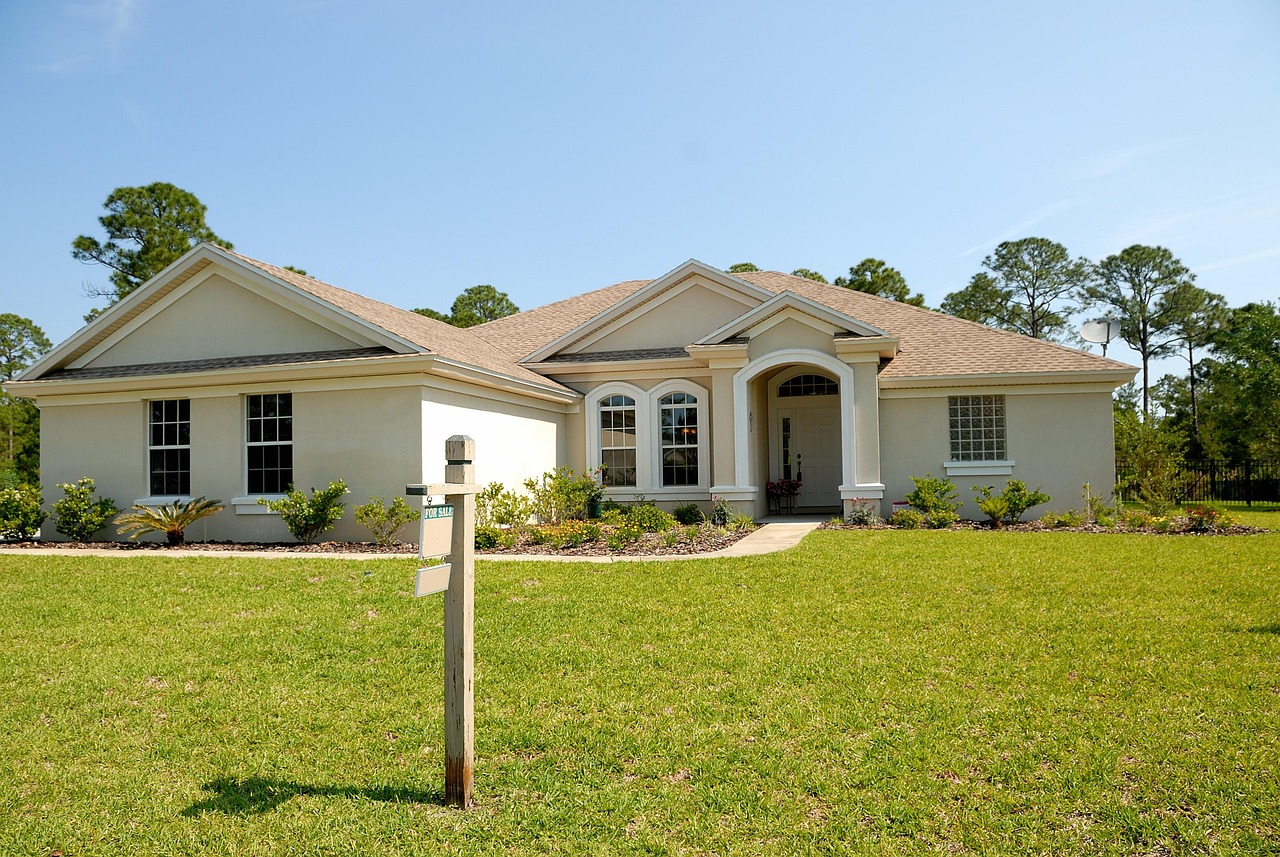
A construction mortgage Canada is a specialized loan designed to fund the building or major renovation of a home. Unlike standard mortgages, construction mortgages often release funds incrementally as construction progresses, helping manage costs tied to each phase.
This type of financing is essential for anyone planning to build a new home or undertake structural renovations that go beyond typical home improvements. It requires careful planning and typically demands a higher down payment compared to conventional mortgages.
Understanding how construction mortgages work, including their terms and financing schedules, is crucial for making informed decisions during the building process. These loans provide flexibility but come with unique considerations that differ from buying a resale home.
Understanding Construction Mortgages in Canada
Construction mortgages are specialized loans designed to finance the building of a home from start to finish. They involve specific processes, requirements, and terms that differ from standard mortgages used to buy existing homes. Borrowers should understand how these loans function, the types available, and how they compare with traditional mortgage products.
What Is a Construction Mortgage?
A construction mortgage is a short-term loan that covers the costs of building a new home or completing significant renovations. The loan is usually disbursed in stages, aligned with the progress of construction.
Unlike a conventional mortgage that provides a lump sum at closing, a construction mortgage releases funds incrementally to pay contractors and suppliers. Borrowers typically need to provide a down payment, proof of plans, and a clear budget to qualify.
This type of mortgage helps individuals build on land they already own or on newly purchased land.
How Construction Mortgages Work
Construction mortgages operate by advancing funds in “draws” based on completed work milestones. The lender inspects each stage—foundation, framing, wiring, etc.—before releasing the next payment.
Interest is generally charged only on the money disbursed, not the full loan amount. The borrower may need to make interest-only payments during construction, then convert the loan into a traditional mortgage once the home is complete.
The process requires detailed budgeting and timelines, and lenders often require thorough documentation and regular inspections. This approach reduces risk for lenders compared to releasing the entire loan upfront.
Types of Construction Mortgages Available
There are two primary types of construction mortgages in Canada: construction-only loans and construction-to-permanent loans.
- Construction-Only Loans: Provide funds only for the building period. Once construction finishes, the borrower must qualify for a separate mortgage to pay off the loan.
- Construction-to-Permanent Loans: Combine construction financing with a long-term mortgage. After building finishes, the loan automatically converts to a standard mortgage, simplifying the borrowing process.
Borrowers may also choose between fixed and variable interest rates depending on their financial plans and lender options. Some lenders offer specialized programs for custom builds or major renovations.
Key Differences From Traditional Mortgages
Construction mortgages differ significantly from traditional home loans. The main distinction is that funds are released in stages rather than as a lump sum at closing. This requires ongoing project oversight and documentation.
Interest payments during construction are often interest-only, whereas regular mortgages require principal and interest payments from day one. The approval criteria are stricter, with lenders requiring detailed plans, a builder’s contract, and a robust budget.
Additionally, construction loans are inherently riskier for lenders, usually necessitating larger down payments and higher credit requirements. This makes qualification more demanding than for standard mortgages.
Application Process and Requirements
Applying for a construction mortgage in Canada involves meeting specific eligibility standards, submitting detailed documents, and understanding financial commitments like down payments and cost breakdowns. These elements provide a framework that lenders use to assess the borrower’s capacity and the project’s feasibility.
Eligibility Criteria
Lenders require applicants to demonstrate financial stability and project viability. Applicants typically must have a good credit score, stable income, and a low debt-to-income ratio. Proof of employment or steady self-employment income is necessary to confirm repayment ability.
The property must generally be located in Canada and comply with local building codes. The lender may require detailed construction plans and a licensed builder’s contract. Some lenders prefer applicants with prior experience in construction loans, but this is not mandatory.
Borrowers must be prepared for a more rigorous underwriting process than standard mortgages since construction loans carry greater risk. Meeting these criteria helps reassure lenders about the borrower’s reliability and the project’s success.
Documentation and Assessment
The documentation required is extensive and focuses on both the borrower’s financial health and the construction project details. Common documents include recent tax returns, pay stubs, bank statements, and proof of assets. These establish the applicant’s capacity to repay.
On the construction side, lenders need a detailed project budget, timelines, construction plans, and a builder’s agreement. They may also require permits or approvals from municipal authorities to verify compliance with regulations.
Lenders often perform a credit assessment combined with an appraisal of the proposed construction’s value upon completion. This helps determine the loan amount and structure. The thorough review process aims to mitigate risks for both parties.
Down Payment and Cost Breakdown
Construction mortgages typically require a higher down payment compared to traditional home loans. Down payments often range from 20% to 25% of the estimated completed home value. This upfront equity reduces lender risk during the construction phase.
Costs covered by the loan are disbursed in stages, known as “draws,” based on construction progress verified by inspections. Typical cost categories include land purchase, materials, labor, permits, and contingency funds for unexpected expenses.
Borrowers should prepare a detailed cost estimate with their builder to avoid budget shortfalls. Transparent cost planning ensures that the loan amount aligns with the construction needs and helps prevent delays caused by funding gaps.


Easy tips and tricks to clean your sofa at home
The sofa is the center of your living space. Your sofa is a place where … …
Fun Online Entertainment Experience
KP88 – A Comprehensive Look at a Popular Online Gaming Platform Introduction to KP88 …