Land Rover Engine Troubles and How to Stop Them Early

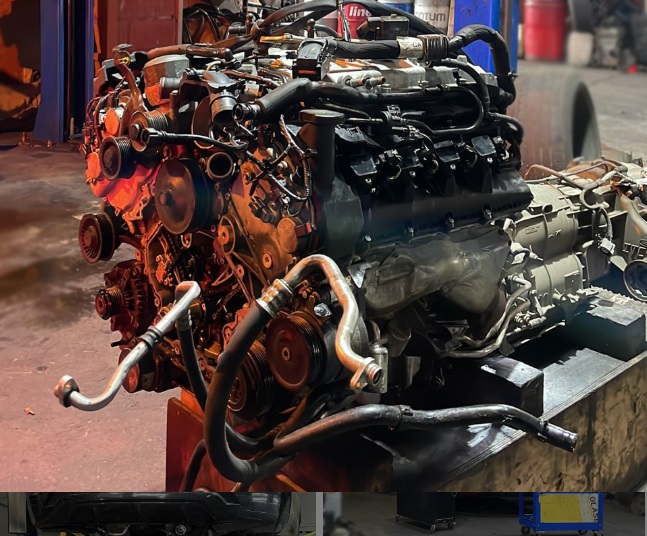
Understanding Modern Engineering Resilience
Owning a luxury SUV comes with the responsibility of monitoring mechanical health to ensure peak performance remains consistent over time. The sophisticated design of a Land Rover engine requires owners to be proactive rather than reactive when it comes to minor sounds or changes in driving dynamics. By paying attention to the initial feedback your vehicle provides, you can often bypass the most expensive repair bills associated with high-performance European SUVs. Early intervention is not just about saving money; it is about preserving the legendary power and smooth delivery that these iconic vehicles are known for worldwide.
Identifying Vital Cooling System Cues
Temperature regulation remains the single most critical factor in preventing catastrophic failure in your luxury off-roader during long summer hauls. A failing thermostat or a hairline fracture in a coolant hose can quickly lead to overheating, which often compromises the structural integrity of the Land Rover engine block. If you notice a sweet smell like syrup near the front grille or see small puddles of orange or pink fluid on your driveway, you must act immediately. Keeping the cooling system pressurized and free of air pockets ensures that heat is dissipated efficiently away from the sensitive internal aluminum components.
Detecting Early Timing Chain Warning Signs
Modern Ingenium powerplants utilize precise synchronization systems that must remain perfectly aligned to avoid internal collisions between valves and pistons. When a timing chain begins to stretch or the tensioners lose their hydraulic pressure, you might hear a faint rattling sound during a cold start. Ignoring this subtle metallic chatter can lead to a skipped tooth, which essentially ruins the Land Rover engine beyond simple repair methods. Scheduling a diagnostic check when these noises first appear allows a technician to replace the guides or chain before any permanent metal-to-metal damage occurs within the cylinder head.
Monitoring Oil Quality and Pressure Levels
Lubrication is the lifeblood of any turbocharged vehicle, acting as both a cooling agent and a protective barrier for rapidly spinning internal parts. You should never wait for a dashboard warning light to check your oil levels, as low pressure can cause immediate friction damage to the Land Rover engine bearings. Using the incorrect oil grade or extending service intervals beyond the recommended mileage allows sludge to build up, which eventually clogs the narrow passages leading to the variable valve timing solenoids. Consistent oil analysis and frequent filter changes are the most effective ways to maintain high-mileage reliability and smooth idling.
Decoding Dashboard Alerts and Fault Codes
The onboard diagnostic system acts as a constant guardian, scanning hundreds of sensors every second to ensure the vehicle operates within safe parameters. If the amber check engine light illuminates, it often indicates an emissions-related issue that could eventually affect the Land Rover engine efficiency or fuel economy. Modern scanners can pinpoint whether the problem stems from a faulty oxygen sensor, a loose gas cap, or a more serious mass airflow sensor malfunction. Addressing these electronic notifications early prevents the vehicle from entering “limp mode,” a restricted performance state designed to protect the hardware from further stress.
Managing Fuel System Integrity for Power
Clean fuel delivery is essential for maintaining the throttle response and towing capacity that adventurous drivers expect from their premium British SUVs. Over time, carbon deposits can accumulate on fuel injectors, leading to a rough idle or a noticeable loss of power when accelerating onto highways. Protecting the high-pressure fuel pump and the Land Rover engine injectors involves using top-tier gasoline and replacing the fuel filter according to the manufacturer’s strict maintenance schedule. If you experience hesitation during ignition or a decrease in miles per gallon, it is a clear signal that the combustion process is being hindered.
Preventing Air Intake and Turbocharger Issues
Forced induction systems provide the necessary torque for off-road excursions, but they are highly sensitive to debris and air leaks within the intake manifold. A clogged air filter restricts the volume of oxygen available for combustion, forcing the Land Rover engine to work harder while generating excessive heat in the turbocharger housing. Inspecting the intake boots for cracks and ensuring the intercooler is free of obstructions will maintain the precise air-fuel ratio required for optimal performance. High-pitched whistling sounds or black smoke from the exhaust are typical indicators that the induction system needs professional attention before a turbo failure.
Establishing a Long-Term Maintenance Strategy
The most successful owners treat their vehicle’s service manual as a roadmap for longevity rather than a list of optional suggestions. By rotating tires, flushing brake fluid, and performing multi-point inspections, you create a comprehensive safety net for the Land Rover engine and its supporting drivetrain. Documenting every service helps maintain the vehicle’s resale value while ensuring that no small leak or worn belt goes unnoticed for too long. A well-maintained vehicle is a reliable companion for any journey, whether you are navigating urban streets or exploring rugged mountain trails far away from the nearest service center.


Easy tips and tricks to clean your sofa at home
The sofa is the center of your living space. Your sofa is a place where … …
Fun Online Entertainment Experience
KP88 – A Comprehensive Look at a Popular Online Gaming Platform Introduction to KP88 …