Understanding Audio Dynamics in Sound Engineering

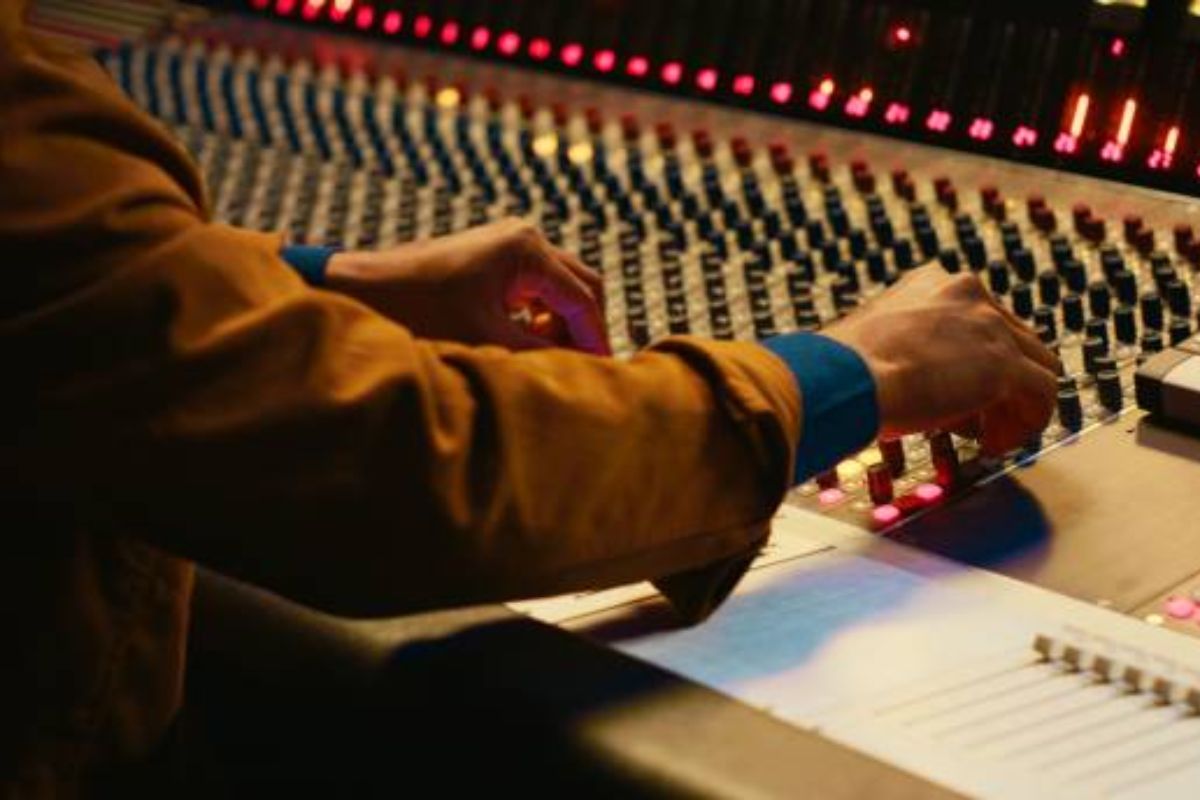
Audio dynamics are at the heart of how music, speech, and every recorded sound feels to the listener. They shape mood, energy, clarity, and emotional impact. Whether you are recording vocals, mixing songs, editing podcasts, or designing live sound, understanding dynamics helps you control loudness and softness in a meaningful way. For anyone exploring sound engineering India, audio dynamics is one of the most important concepts to learn early because it influences nearly every stage of sound creation.
Dynamics simply refer to the variation in volume over time. Think of a whisper turning into a shout, a soft piano passage building into a powerful chorus, or a calm speech rising to emphasize important words. All of that is dynamics at work. Good dynamic control makes audio sound natural, powerful, and pleasant. Poor control makes it either too flat, too harsh, or tiring to listen to.
This article explains audio dynamics in simple language so even a beginner can follow along. You will learn what dynamics are, why they matter, tools used to control them, common mistakes, and how dynamics shape the emotional feel of sound.
What are audio dynamics?
Audio dynamics describe the relationship between the quietest and loudest parts of a sound. Every piece of audio has peaks and valleys:
- loud moments
- soft moments
- gradual increases
- sudden drops
The difference between the quietest and loudest level is called dynamic range.
A wide dynamic range means:
- very soft parts
- very loud parts
- big emotional contrast
A narrow dynamic range means:
- most parts sound almost the same loudness
- less contrast
- often easier to hear in noisy environments
Examples in daily life:
- A lullaby has gentle dynamics.
- A rock concert has huge variations and power.
- A movie soundtrack uses dynamics to build tension and release.
Why are audio dynamics important?
Dynamics affect how sound feels physically and emotionally. They influence:
- clarity
- punch
- listening comfort
- emotional expression
1. Dynamics bring emotion
Soft sounds create calmness or intimacy. Loud sounds create excitement, tension, or power. Without dynamics, music and speech would feel lifeless and robotic.
2. Dynamics affect clarity
If everything is loud, nothing stands out. If everything is soft, nothing is heard. Dynamics make important elements rise to the front while supportive elements sit in the background.
3. Dynamics influence listening environments
In cars, trains, busy streets, or gyms, sound with too wide dynamics is hard to hear because soft parts disappear. In home listening, wide dynamics can feel beautiful and natural.
4. Dynamics add professionalism
Controlled dynamics are one of the major differences between amateur audio and polished audio.
Key concepts in audio dynamics
Peak level
The loudest point in the sound waveform.
RMS or average level
The general perceived loudness over time.
Dynamic range
Difference between softest and loudest parts.
Headroom
Space left before distortion happens. Too little headroom causes clipping and harsh sound.
Tools used to control audio dynamics
Sound engineers use several tools to shape dynamics during recording, mixing, and mastering.
1. Compressor
A compressor reduces the level of loud sounds and evens out volume. It makes vocals smoother and instruments more controlled. Instead of spikes in loudness, you get a balanced sound.
2. Limiter
A limiter is a strong compressor that prevents sound from going beyond a certain level. It protects speakers and avoids distortion. It is often the final stage before audio is released.
3. Expander
Opposite of a compressor, it increases the difference between soft and loud parts. It can make whispers softer and loud parts stand out more.
4. Gate
A gate removes unwanted low-level noise like room hiss or mic background sound by muting very soft signals.
5. Manual automation
Sometimes, engineers adjust volume by hand over time. This is called automation and keeps audio natural rather than overly processed.
Dynamics in recording
Dynamics start from the performer. A skilled singer or instrumentalist naturally varies intensity. Microphone placement also changes dynamics:
- closer mic = louder, more intimate
- farther mic = softer, more open
Proper recording avoids too much loudness because clipped audio cannot be repaired.
Dynamics in mixing
During mixing, the goal is balance. Engineers:
- control loud instruments
- bring out vocals
- keep drums punchy
- avoid harsh peaks
Too much compression makes music dull.
Too little compression makes it uneven.
Finding the middle point is key.
Dynamics in mastering
Mastering shapes the overall final loudness and ensures the track feels consistent. This stage focuses on listener experience across headphones, speakers, and rooms.
The emotional role of dynamics
Dynamics tell stories without words. They:
- build anticipation
- release tension
- support lyrics
- guide listener attention
A soft verse followed by a powerful chorus feels uplifting.
A sudden drop in volume can surprise or calm the listener.
Gradual crescendos create excitement.
Movies, songs, and speeches all rely on this psychological effect.
Common mistakes beginners make
Over-compression
Everything becomes loud and flat, losing life and impact.
Under-compression
Volume jumps too much, making listening uncomfortable.
Ignoring headroom
Sound distorts without noticing until playback.
Chasing loudness only
Loudness does not equal quality. Emotion matters more.
How to train your ear for dynamics
- listen to songs at low volume
- notice changes in loudness
- observe where music swells or softens
- compare raw recordings and processed versions
- practice recording speech and adjusting levels
Listening carefully is the best teacher.
Learning dynamics through study and practice
Anyone interested in deeper learning can explore structured study options such as audio engineering courses in India, where topics like mixing, mastering, acoustics, and recording systems include extensive work on dynamics. Even home learners benefit from understanding how dynamics influence every sound around them.
However, real mastery develops through:
- repeated practice
- critical listening
- experimenting with tools
- recording real performers
- working in different environments
Theory explains; practice teaches.
Dynamics in daily life
Dynamics are not only for music studios. You experience them in:
- phone conversations
- classroom microphones
- stage performances
- public announcements
- home theater systems
Once you become aware of dynamics, you start hearing sound differently everywhere.
Final thoughts
Understanding audio dynamics is one of the most powerful steps in becoming confident in sound engineering. It allows you to:
- control emotion
- improve clarity
- protect equipment
- create professional-quality audio
Whether your interest is live sound, studio recording, content creation, podcasts, or music, dynamics sit at the center of quality sound.
Mastering dynamics is not about making everything loud. It is about knowing when to be loud and when to be soft, letting sound breathe, and communicating emotion through volume and space. When dynamics are handled with care, audio becomes alive, engaging, and memorable to the listener.


Easy tips and tricks to clean your sofa at home
The sofa is the center of your living space. Your sofa is a place where … …
Fun Online Entertainment Experience
KP88 – A Comprehensive Look at a Popular Online Gaming Platform Introduction to KP88 …