Halal Lamb: A Complete Guide to Choosing, Preparing, and Enjoying It the Right Way

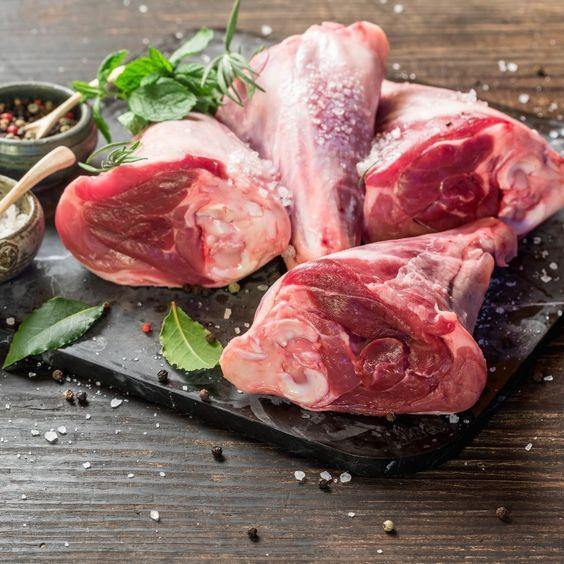
Halal lamb is more than just a type of meat. For millions of people around the world, it represents faith, quality, ethical sourcing, and a deep connection to traditional food practices. Whether you are buying lamb for religious reasons, health concerns, or simply for better taste, understanding what makes lamb truly halal helps you make confident and informed choices.
In this guide, you will learn what halal lamb really means, how it is prepared, how to identify authentic halal meat, and why it has become increasingly popular even beyond Muslim communities. By the end, you will feel equipped to select, cook, and enjoy halal lamb with complete confidence.
What Does Halal Lamb Mean?
The word “halal” comes from Arabic and means “permissible.” When applied to food, it refers to items that are allowed under Islamic dietary laws. Halal lamb specifically refers to lamb meat that is sourced, slaughtered, and prepared according to Islamic guidelines.
For lamb to be considered halal, the animal must be healthy at the time of slaughter and treated humanely. The slaughter process involves invoking the name of God and ensuring that the blood is fully drained from the animal. This process is believed to purify the meat and improve its quality.
Many people mistakenly think halal only applies to religious observance, but the principles behind halal meat also emphasize cleanliness, ethics, and animal welfare.
Why Halal Lamb Is Gaining Global Popularity
Halal lamb is no longer limited to Muslim households or specialty butcher shops. It is increasingly found in mainstream grocery stores, restaurants, and even fine dining establishments. One reason for this growing demand is quality.
Because halal standards require strict handling, consumers often find halal lamb to be fresher, cleaner, and better tasting. The humane slaughter method and careful processing contribute to meat that is tender and free from excessive stress hormones.
Another factor is transparency. Halal certification provides reassurance about sourcing, handling, and cleanliness, which appeals to health-conscious buyers regardless of their faith.
Understanding the Halal Slaughter Process
The halal slaughter process is designed to minimize pain and stress for the animal while ensuring cleanliness. A trained Muslim slaughterer performs the process using a sharp knife to make a swift cut to the throat, severing the main blood vessels.
The complete draining of blood is essential, as blood is not considered permissible for consumption. This step is believed to improve the shelf life of the meat and reduce bacteria.
When done correctly, halal slaughter aligns closely with modern animal welfare standards and is often compared favorably to other humane meat processing methods.
How to Identify Authentic Halal Lamb
With increasing demand, not all products labeled halal meet proper standards. Knowing how to identify authentic halal lamb protects both your health and your beliefs.
Look for recognized halal certification from trusted authorities. These certifications confirm that the lamb was processed according to Islamic guidelines from start to finish. Reliable halal butchers are also a great source, as they can explain their sourcing and handling practices.
Reading labels carefully, asking questions, and buying from reputable sellers helps ensure that the lamb you purchase is genuinely halal.
Nutritional Benefits of Halal Lamb
Lamb is a nutrient-dense meat that provides high-quality protein, iron, zinc, and essential vitamins like B12. Halal lamb, in particular, is often praised for its freshness and purity due to strict processing rules.
Because the blood is fully drained, halal lamb tends to have a cleaner taste and is easier to digest for some people. Many consumers report that halal meat feels lighter and less greasy compared to conventionally processed meat.
When consumed in moderation as part of a balanced diet, halal lamb supports muscle growth, energy levels, and overall health.
Cooking Halal Lamb the Right Way
Cooking halal lamb does not require special techniques, but respecting its quality makes a difference. Fresh halal lamb responds beautifully to slow cooking, grilling, roasting, and pan-searing.
Traditional dishes from Middle Eastern, South Asian, and Mediterranean cuisines highlight the natural flavor of lamb using simple spices and herbs. Allowing the meat to rest, cooking it to the right temperature, and avoiding over-seasoning helps preserve its natural richness.
Whether you are preparing a comforting stew or a celebratory roast, halal lamb offers versatility and depth of flavor that suits both everyday meals and special occasions.
Common Myths About Halal Lamb
One common misconception is that halal lamb tastes different in a negative way. In reality, many people find it tastes better due to careful handling and freshness.
Another myth is that halal meat is unsafe or outdated. On the contrary, halal standards align with modern food safety practices and are regulated in many countries.
Some believe halal lamb is only for Muslims, but its ethical approach and high quality have attracted a wide audience seeking cleaner and more responsibly sourced meat.
Halal Lamb and Ethical Consumption
Ethical eating has become an important topic worldwide, and halal lamb fits naturally into this conversation. Islamic dietary laws emphasize kindness to animals, cleanliness, and responsibility in food production.
Animals raised for halal meat are expected to be treated well, fed properly, and slaughtered humanely. These values resonate with consumers who care about where their food comes from and how it is produced.
Choosing halal lamb supports systems that prioritize respect for life and mindful consumption.
Buying Halal Lamb Locally or Online
Today, purchasing halal lamb is easier than ever. Local halal butcher shops offer personalized service and fresh cuts, while online halal meat suppliers provide convenience and wider selection.
When shopping online, always check reviews, certifications, and delivery practices. Proper packaging and cold-chain delivery are essential to maintaining quality.
Building a relationship with a trusted supplier ensures consistency, transparency, and peace of mind.
Final Thoughts on Halal Lamb
Halal lamb represents a blend of tradition, quality, and ethical responsibility. It is not just about following dietary rules, but about choosing food that respects health, faith, and humane values.
As more people become conscious of what they eat, halal lamb continues to stand out as a reliable and wholesome option. Whether you are new to halal food or have followed it for years, understanding its principles helps you appreciate every meal even more.
With the right knowledge and careful selection, halal lamb can be a delicious, nutritious, and meaningful part of your diet.


Easy tips and tricks to clean your sofa at home
The sofa is the center of your living space. Your sofa is a place where … …
Fun Online Entertainment Experience
KP88 – A Comprehensive Look at a Popular Online Gaming Platform Introduction to KP88 …