Genuine Reasons for Engineered Wood Flooring Being a Sustainable Choice

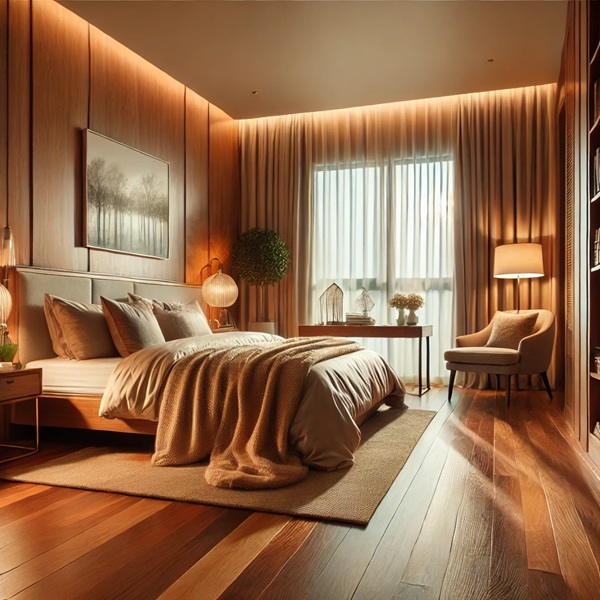
Sustainability is essential to rebuilding your home or office. It is a responsibility, not just a trend. Today, homeowners are becoming more aware of how their interior design can affect the environment, long-term energy consumption, and general well-being. Choosing the right flooring option is a critical responsibility for creating a perfect and sustainable interior. Engineered wood flooring is ideal for all your needs. They are the most innovative and most eco-friendly solution. Engineered wood flooring has natural beauty and is manufactured responsibly. They are durable, elegant, and sustainable. Compared with laminate flooring, engineered flooring offers distinct environmental advantages, making it a future-ready choice.
What is Engineered Wood Flooring and How Is It Made?
Engineered wood flooring is made from multiple layers of wood bonded together under controlled conditions. They are designed to enhance the use of natural resources, unlike the solid hardwood, which uses a single piece of timber. The top of the flooring is made of genuine hardwood veneer, which provides an authentic look and texture of natural wood. The layers that follow are made from high-quality plywood or softwood and arranged in a cross-grain structure.
The sustainability of this flooring comes from its layered construction. Engineered wood flooring significantly reduces pressure on forests because it uses slow-growing hardwood and more fast-growing or recycled wood in the core. In this process, each harvested tree is utilised efficiently, making this flooring a more environmentally friendly option. You can use flooring such as grey engineered herringbone flooring, which demonstrates sustainability without limiting design creativity, offering modern aesthetics alongside eco-conscious construction.
How Does Engineered Flooring Help in Conserving Natural Resources?
The most significant advantage of engineered wood flooring is its efficient use of timber. The top hardwood layer of the flooring uses a thinner wood veneer than solid-wood planks, so fewer trees are needed to achieve the same surface coverage. This is very useful for slowing deforestation and improving forestry practices.
Engineered flooring uses a high proportion of natural wood rather than synthetic materials and resins, unlike laminate flooring. This character makes this flooring a more eco-conscious option while still maintaining structural strength and visual appeal. If you choose Engineered wood floors, you will be supporting waste management and intelligent resource management.
Why Is Engineered Flooring Considered More Durable and Long-Lasting?
Sustainability is not only about materials; it is also about longevity. Engineered wood flooring is designed to last for decades if properly maintained. The cross-layer design provides excellent resistance to warping, shrinking, and swelling caused by temperature or humidity changes.
The longer the lifespan, the less often it will need to be replaced. This reduces the need for materials and waste generation. Although if you are using laminate flooring, you may need to replace it after years of wear. Engineered wood flooring can be refinished regularly, extending its usual lifespan even further. The durability of the engineered wood flooring is both cost-effective and environmentally sound.
How Does Engineered Flooring Improve Indoor Air Quality?
The most important thing when you live in your home is the air quality. Engineered wood flooring is a great, sustainable option for improving indoor air quality. This flooring is made with low-VOC adhesives and finishes, which means there will be fewer harmful emissions inside your home. This offers a healthier, more natural living option, especially for families with children or individuals sensitive to allergens.
If you choose engineered flooring, you can create an interior that is not only stylish but also safer and more breathable. You can select eco-conscious designs, such as grey engineered herringbone flooring, which combines modern elegance with healthier indoor spaces.
Can Engineered Flooring Reduce Energy Consumption in Homes?
Absolutely. Engineered wood flooring’s eco-friendly nature lets it reduce energy consumption. The top wood veneer acts as an insulator, helping maintain comfortable indoor temperatures year-round. This property makes engineered wood flooring more stable than solid wood.
Enhancing the thermal efficiency of engineered wood flooring reduces reliance on heating and cooling systems. This lowers the energy consumption and carbon emissions, making engineered flooring a wise choice for sustainable living.
How Does Design Versatility Support Sustainable Choices?
Engineered wood floorings are available in a variety of finishes, patterns, and tones that suit both classic and contemporary interiors. Patterns such as grey engineered herringbone flooring allow homeowners to achieve a premium visual appeal without excessive material usage. This flooring complements various décor styles, reducing the need for frequent changes driven by trends. If you are remodelling, you won’t need many new materials and will produce little waste, which is actually good for the environment.
Is Engineered Flooring Easier to Maintain in an Eco-Friendly Way?
Maintenance plays a crucial role in sustainability. You can clean the engineered wood flooring with regular sweeping and occasional damp mopping. There is no need to use harsh chemical cleaners, which can harm the indoor air quality and the environment. Compared to laminate flooring, engineered floors are more forgiving for refinishing and repairs. It allows for enhancing the look of the flooring without complete replacement.
Conclusion
Using engineered wood flooring is a step towards creating a beautiful home with a sustainable feeling. This flooring does not look good, but it plays an essential role in protecting the environment, improving indoor air quality, and enhancing energy efficiency. With timeless designs such as grey engineered herringbone flooring, homeowners no longer need to choose between style and sustainability. Engineered wood flooring proved that with responsible choices, floors can be elegant, innovative, and future-ready, making it a genuinely sustainable option for today’s home.


Easy tips and tricks to clean your sofa at home
The sofa is the center of your living space. Your sofa is a place where … …
Fun Online Entertainment Experience
KP88 – A Comprehensive Look at a Popular Online Gaming Platform Introduction to KP88 …