Quince Murabba Recipe & Benefits | Traditional Pakistani Safarjal Preserve

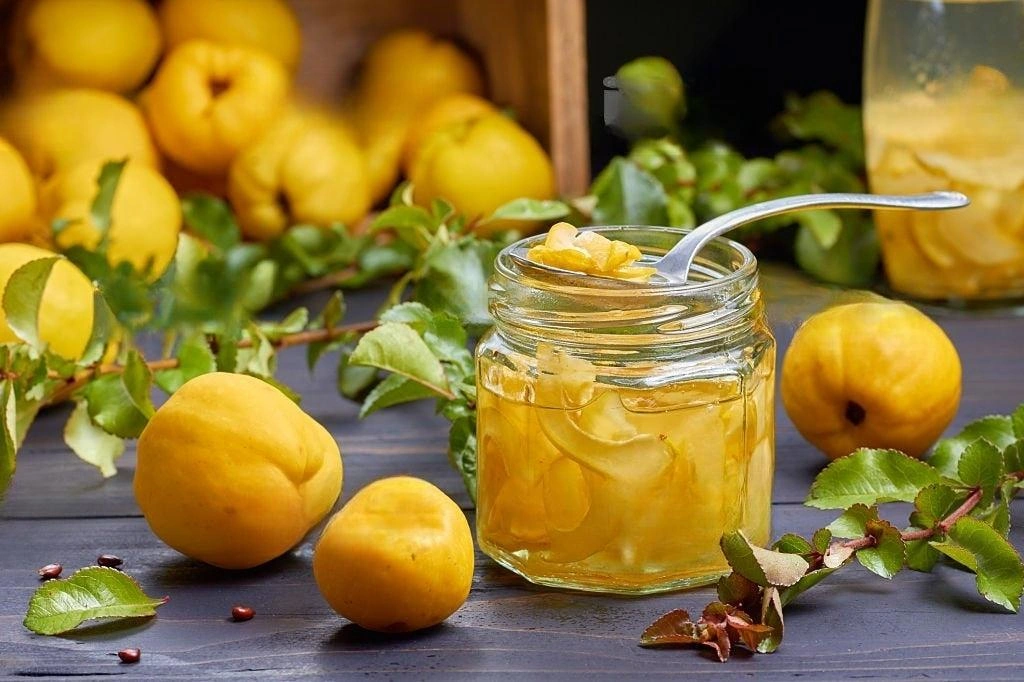
Traditional Pakistani kitchens are full of preserved fruit recipes that carry both flavor and heritage, and quince murabba is one of the most loved among them. Prepared with patience and care, this sweet preserve is not only delicious but also deeply connected to cultural wellness practices passed down through generations.
What Is Quince Murabba?
Quince murabba is a traditional South Asian fruit preserve made from quince, locally known as safarjal. In Pakistan, it is commonly cooked slowly in sugar syrup until the fruit turns ruby red and absorbs the sweetness completely. The result is a soft, aromatic murabba that is eaten in small portions, usually with breakfast.
Unlike jams, murabba keeps the fruit pieces intact, making texture just as important as taste. Many families still prepare it at home during winter when quince is in season.
Cultural Importance in Pakistan
In Pakistani households, murabba is more than a sweet dish. It is often associated with care, hospitality, and traditional medicine. Elders recommend it for strength, digestion, and seasonal wellness, especially during colder months.
Quince murabba is frequently served with:
-
Paratha and desi ghee
-
Plain roti at breakfast
-
Milk or warm water in the morning
Because of its long shelf life, it is also prepared in large batches to last for months.
Understanding Safarjal and Its Value
The safar e jal fruit has a firm texture and a slightly tart taste when raw. Once cooked, it transforms beautifully, releasing a floral aroma and rich flavor. In Pakistan, safarjal is usually sourced from northern regions where the climate supports its growth.
Nutritional Profile of Quince
Quince is naturally rich in:
-
Dietary fiber
-
Vitamin C
-
Antioxidants
-
Natural pectin
When preserved properly, many of these benefits are retained, making murabba a balance of indulgence and nourishment.
Traditional Beliefs Around Safarjal
According to traditional wisdom, safarjal murabba is believed to:
-
Support digestion
-
Boost general weakness
-
Help with seasonal fatigue
-
Improve appetite
While modern nutrition focuses on moderation, these beliefs are still widely respected in Pakistani culture.
Ingredients Used in Quince Murabba
A classic quince murabba recipe uses simple ingredients, yet the technique makes all the difference.
Basic Ingredients
-
Fresh quince (safarjal)
-
White sugar
-
Water
-
Lemon juice or citric acid
-
Optional spices like cloves or cardamom
No artificial colors are needed; the deep red shade develops naturally through slow cooking.
Step-by-Step Traditional Preparation
Cleaning and Cutting
Quince fruit is thoroughly washed to remove fuzz from the skin. It is then peeled and cut into equal-sized pieces to ensure even cooking.
Pre-Soaking Method
Many Pakistani recipes recommend soaking quince pieces in water with lemon juice. This helps prevent discoloration and keeps the fruit firm.
Slow Cooking Process
The fruit is gently cooked in sugar syrup over low heat. This step can take several hours and requires patience. As the syrup thickens, the fruit absorbs sweetness and changes color.
Final Setting Stage
Once the syrup reaches the right consistency and the fruit becomes glossy, the murabba is cooled and stored in sterilized glass jars.
Why Homemade Murabba Is Preferred
In Pakistan, homemade murabba is often considered superior to commercial versions because:
-
No preservatives are used
-
Sugar levels can be controlled
-
Flavor remains authentic
-
Hygiene is ensured
Families often share jars with relatives as a gesture of love and care.
Modern Uses of Quince Murabba
While traditionally eaten with breakfast, quince murabba has found new uses in modern kitchens.
Creative Serving Ideas
-
Served with yogurt for a fusion breakfast
-
Used as a topping for desserts
-
Paired with cheese for a sweet-savory snack
-
Added to baked goods for natural sweetness
Despite these innovations, the classic way remains the most popular.
Storage and Shelf Life
Properly prepared quince murabba can last up to a year if stored correctly.
Storage Tips
-
Use clean, dry glass jars
-
Keep away from direct sunlight
-
Always use a dry spoon
Refrigeration is not necessary but can help extend freshness once the jar is opened.
Buying Safarjal in Pakistan
Fresh quince is usually available in local mandis during autumn and early winter. When selecting fruit:
-
Choose firm, unbruised quince
-
Avoid overly soft spots
-
Look for a pleasant natural aroma
High-quality safarjal ensures better murabba results.
Health Considerations and Moderation
Although murabba offers benefits, it is still high in sugar. Nutritionists recommend consuming it in small quantities, especially for people managing blood sugar levels.
Balancing tradition with moderation allows you to enjoy the taste and cultural value without overindulgence.
Final Thoughts
Quince murabba represents the heart of Pakistani culinary tradition, where food is both nourishment and heritage. The careful preparation, seasonal importance, and cultural respect given to the safar e jal fruit make this preserve truly special. Whether enjoyed in its classic form or adapted into modern recipes, quince murabba continues to hold a cherished place in homes across Pakistan.


Easy tips and tricks to clean your sofa at home
The sofa is the center of your living space. Your sofa is a place where … …
Fun Online Entertainment Experience
KP88 – A Comprehensive Look at a Popular Online Gaming Platform Introduction to KP88 …