Fleet Maintenance Bottlenecks and How On-Demand Repairs Solve Them

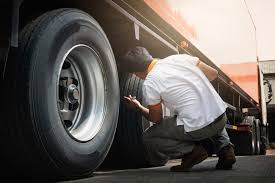
Every fleet operator knows this truth: trucks don’t break down when you’re free, they break down when you’re already behind. Schedules are tight, drivers are calling, brokers are asking for ETAs, and shop availability is never as open as you’d like it to be. That’s why many regional carriers are turning toward on-demand fleet repair in Atlanta instead of relying only on traditional shop schedules. It’s less theory and more survival, keeping trucks on the road and cash flowing.
If you’re an owner-operator, fleet manager, or operations leader who built the business from the ground up, you’ve seen how one sidelined truck can domino into late loads, overtime, missed opportunities, and unhappy customers. Maintenance bottlenecks are real, and ignoring them only makes them more expensive later.
The real bottlenecks slowing fleets down
Fleet maintenance problems don’t start with blown engines. They usually start small and get ignored because everyone is busy.
Here are the biggest slowdowns most fleets face today.
1. Shop scheduling delays
Shops are backed up. You call, and they tell you:
- “Drop it off, and we’ll take a look.”
- “We can get you in next week.”
- “We’ll call you when it’s ready.”
Meanwhile, the truck sits. A unit that doesn’t move doesn’t earn. That idle time kills margins and puts pressure on dispatch to reshuffle loads.
With on-demand fleet repair in Atlanta, help comes to the truck yard, roadside, or customer lot instead of you waiting for a calendar slot.
2. Towing eats time and money
A simple repair turns into an expensive tow bill more often than it should. Dead batteries, air leaks, electrical issues, and minor breakdowns shouldn’t require moving a truck halfway across the city.
Towing adds:
- fuel costs
- driver wait time
- scheduling complications
- extra shop fees
A mobile technician fixes many of these in place. No tow. Less downtime. Fewer headaches.
3. Drivers sitting and getting frustrated
Drivers don’t like waiting around repair shops any more than you do. Idle time:
- kills morale
- hurts pay
- increases turnover
And turnover is already one of the biggest problems in trucking.
On-demand service reduces that lost time. The truck gets repaired where it stopped, drivers get rolling sooner, and everyone’s stress stays lower.
4. Paperwork and back-office overload
Most fleet operators don’t run big admin departments. It’s usually:
- you
- maybe a dispatcher
- maybe a bookkeeper
- and a lot of hats being worn at the same time
Managing appointments, shuttle drivers, repair invoices, tow bills, and rescheduling deliveries stacks up fast. Mobile repair simplifies all of that. One call, one visit, one bill, problem solved.
5. Preventive maintenance slipping through the cracks
You already know preventive maintenance is cheaper than breakdowns, but reality happens. Trucks are always:
- booked
- short on time
- scheduled back-to-back
So PMs get pushed “to next week” until something fails on the road. On-demand repair doesn’t just handle breakdowns; it helps knock out overdue maintenance without pulling trucks from rotation for long periods.
Why on-demand repairs fit regional fleet operations
Regional fleets don’t run open highways for days at a time. You’re in:
- industrial parks
- port areas
- distribution centers
- congested city routes
Downtime hits faster in this environment because trucks are constantly turning loads. That’s why on-demand fleet repair in Atlanta is such a strong fit; it supports the rhythm of regional trucking instead of slowing it down.
How on-demand repair actually works in the real world
No fancy explanation needed. It’s simple:
- The truck has an issue.
- A mobile technician comes to the truck.
- The problem is diagnosed and repaired on-site when possible.
- If shop work is required, you already know what’s wrong before moving it.
Most common on-demand repairs include:
- air leaks
- sensor issues
- brake adjustments
- battery and electrical problems
- lights and wiring
- minor engine and aftertreatment issues
Many of these used to mean towing and shop waiting time. Now they don’t have to.
Downtime is the real cost — not just the repair bill
Most fleet managers don’t stress over the cost of a part. They stress over lost time.
When a truck is down, you lose:
- Revenue for that day
- Driver productivity
- Future Lane Trust
- sometimes customers
On-demand service keeps trucks generating revenue instead of sitting behind a shop fence waiting for someone to “get to it.”
Where CS Repair fits into the picture
Fleets in and around Atlanta are increasingly partnering with providers that understand uptime pressure. CS Repair is one of those partners focused on helping fleets reduce downtime instead of just writing invoices.
They support breakdown response, mobile diagnostics, and in-yard repairs, making it easier to keep trucks rolling without disrupting your entire schedule.
In Summary, less downtime, more miles
The trucking business doesn’t reward excuses. Customers don’t care why a truck broke down. They care whether freight shows up on time. That’s the world you live in, and that’s why cutting maintenance bottlenecks matters.
On-demand repair isn’t about changing everything you do. It’s about fixing the biggest pain point you already feel: downtime.
At the end of the day, on-demand fleet repair in Atlanta keeps trucks working, drivers moving, and schedules intact. For the hands-on fleet owner or operations leader, that’s real ROI you can see every single day.


Easy tips and tricks to clean your sofa at home
The sofa is the center of your living space. Your sofa is a place where … …
Fun Online Entertainment Experience
KP88 – A Comprehensive Look at a Popular Online Gaming Platform Introduction to KP88 …