Budget Estimation for a Project — Your Complete Guide to Cost Planning
Budget Estimation for a Project

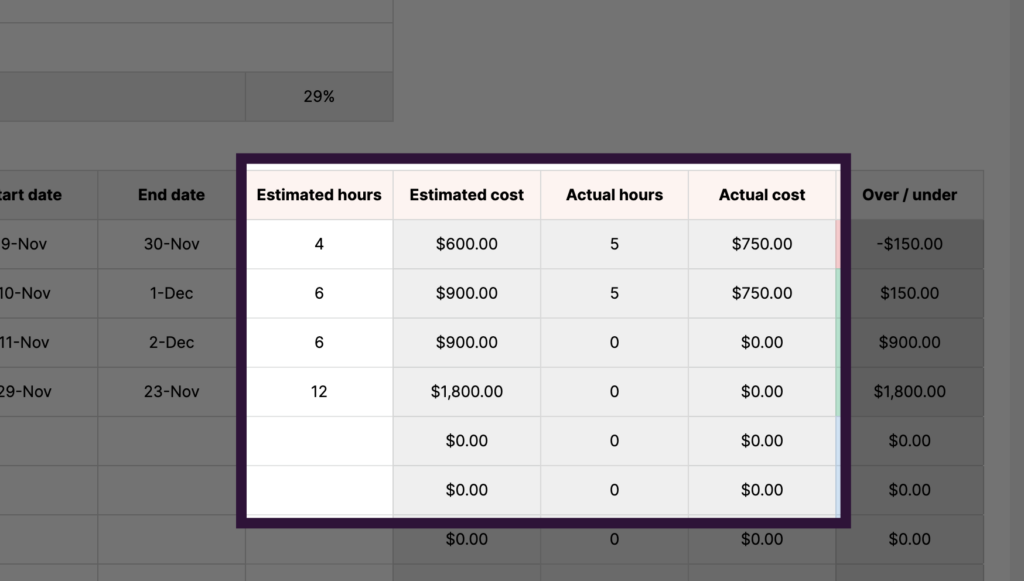
Every successful project starts with a clear understanding of its financial requirements. Budget estimation for a project is the process of predicting the total costs involved, including labor, materials, equipment, overheads, and unforeseen expenses. Accurate budget estimation ensures projects stay on track, prevents overspending, and allows teams to make informed decisions from the planning stage to completion.
Whether you’re managing a construction project, a software development initiative, or a business expansion, knowing how to estimate a project budget is crucial for success.
What Is Project Budget Estimation?
Project budget estimation is the process of calculating the total expected costs of a project before it begins. It breaks down the project into components such as:
-
Material or resource costs
-
Labor and workforce expenses
-
Equipment and technology costs
-
Administrative and overhead charges
-
Contingency funds for unexpected risks
-
Taxes, permits, or regulatory fees
The goal is to create a financial blueprint that guides project execution, monitors spending, and ensures profitability or efficiency.
Why Budget Estimation Is Critical for Projects
Accurate budget estimation is essential because it:
-
✔ Helps set realistic project financial goals
-
✔ Prevents cost overruns and delays
-
✔ Enables efficient resource allocation
-
✔ Improves stakeholder confidence and transparency
-
✔ Supports comparison of vendor bids and procurement options
-
✔ Reduces financial risk and surprises during execution
In fact, studies show that projects without proper budget estimation are more likely to face cost overruns and schedule delays, making estimation a cornerstone of project management.
Key Factors That Affect Project Budget Estimation
Several factors influence the accuracy of project budget estimation:
1. Project Scope & Size
Larger projects require more resources, labor, and materials, which increases overall costs.
2. Location & Market Rates
Labor rates, material availability, and local regulations vary by location.
3. Resource & Material Quality
Standard, premium, or custom-quality resources affect total cost significantly.
4. Labor Skills & Contractor Charges
Skilled teams and longer project durations will increase expenses.
5. Design Complexity & Technology Requirements
Complex designs, advanced technologies, or automation can add to the budget.
6. Contingency & Risk Factors
Unexpected delays, price fluctuations, or project risks require additional funds.
Methods of Project Budget Estimation
Different projects may require different estimation approaches:
-
Top-Down Estimation – Uses overall benchmarks from similar past projects.
-
Bottom-Up Estimation – Calculates costs for each task or component in detail.
-
Parametric Estimation – Uses measurable variables like cost per square foot, hour, or unit.
-
Analogous Estimation – Relies on historical data from comparable projects.
-
Three-Point Estimation – Considers best-case, most-likely, and worst-case scenarios for a more accurate range.
Choosing the right method depends on project type, available data, and required accuracy.
Tools & Techniques for Effective Project Budget Estimation
To improve accuracy, professionals often use:
-
Spreadsheets and financial modeling software
-
Project management and estimating tools
-
Cost databases and market rate indexes
-
Historical project data and benchmarking
-
Expert consultations
Using these tools ensures precision, traceability, and reliability in budgeting decisions.
Best Practices for Accurate Project Budget Estimation
-
Clearly define project scope and deliverables
-
Use up-to-date cost data and market benchmarks
-
Include contingency funds for unforeseen expenses
-
Validate estimates with multiple stakeholders
-
Reassess and update budgets when project changes occur
-
Document assumptions and limitations
Remember, a budget estimate is a planning guide, not a final invoice, but it sets the foundation for project success.
Final Thoughts
Budget estimation for a project is a critical step in ensuring that projects are completed on time, within budget, and without financial surprises. Accurate estimation empowers project managers, business owners, and contractors to allocate resources effectively, manage risks, and make informed decisions.


Easy tips and tricks to clean your sofa at home
The sofa is the center of your living space. Your sofa is a place where you can relax, ent…
Entertainment Online with Positive Play
G28 proudly stands as a leading and reputable digital entertainment platform that represents quality, …