Chocolate Explained: Types, Taste, Uses, and Smart Choices

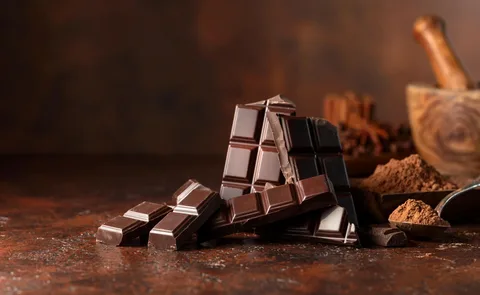
Chocolate: A Timeless Treat Enjoyed Worldwide
Chocolate is one of the most widely enjoyed foods across cultures and age groups. It is often associated with comfort, celebration, and simple pleasure. Whether eaten as a small snack, shared as a gift, or used in desserts, chocolate holds a special place in everyday life. Made from cocoa beans, chocolate offers a range of flavors, from sweet and creamy to deep and intense, depending on how it is prepared. Chocolate is more than just a sweet product. Its quality, texture, and taste depend on careful processing and ingredient balance. Learning about chocolate helps people make better choices and appreciate it beyond surface-level sweetness. This article explores how chocolate is made, the different types available, its everyday value, and how to select and store it properly.
What Chocolate Is and How It Is Produced
The Journey from Cocoa to Chocolate
Chocolate begins with cocoa beans, which grow inside pods on cacao trees. After harvesting, the beans go through fermentation and drying. These steps are essential because they develop the base flavor of chocolate. Once dried, the beans are roasted to deepen their aroma and taste.
This paste contains cocoa solids and cocoa butter, which are the core components of chocolate. By adjusting how much sugar, milk, or cocoa butter is added, manufacturers create different chocolate styles.
Why Processing Affects Taste and Texture
The way chocolate is processed directly influences how it tastes and feels. Proper refining makes chocolate smooth, while controlled tempering gives it a glossy finish and clean snap. Poor processing can result in rough texture or uneven melting. Quality chocolate melts smoothly in the mouth and releases flavor gradually. This balance comes from careful temperature control and ingredient proportions.
Main Types of Chocolate and Their Differences
Milk, Dark, and White Chocolate
Milk chocolate contains cocoa solids, cocoa butter, milk, and sugar. It has a mild cocoa flavor and a creamy texture, making it popular among a wide range of people. Dark chocolate has a higher percentage of cocoa and less sugar. Its flavor is stronger and slightly bitter, which appeals to those who enjoy a more intense chocolate taste. White chocolate is made from cocoa butter, milk, and sugar but does not include cocoa solids. It has a sweet and buttery profile and a soft, smooth finish.
Filled and Specialty Chocolate Varieties
Chocolate also comes in filled and flavored forms. These may include nuts, caramel, fruit flavors, or layered textures. Specialty chocolates often focus on craftsmanship, offering unique combinations and refined taste. These options allow chocolate lovers to explore variety while enjoying the familiar richness of cocoa-based treats.
If you wanted to know more about our products, go to chocolate bar
Everyday Enjoyment and Value of Chocolate
Chocolate as a Comfort Food
Chocolate is often chosen for emotional comfort and relaxation. Its rich aroma and smooth texture create a calming experience. Many people enjoy chocolate as a small break during the day or as a reward after meals.
Chocolate is also tied to social moments. It is commonly shared during celebrations, holidays, and gatherings, making it part of shared experiences.
Mindful Chocolate Consumption
Choosing quality chocolate encourages slower and more mindful enjoyment. Dark chocolate, in particular, is often eaten in smaller amounts due to its strong flavor. This supports balance without excess. Understanding ingredients and cocoa content helps people select chocolate that suits their taste and lifestyle preferences.
How to Choose and Store Chocolate Correctly
Identifying Good Quality Chocolate
Good chocolate usually has a short ingredient list. Cocoa content is clearly mentioned, especially for dark chocolate. A smooth surface and clean snap are signs of proper tempering.
Avoid chocolate with a dull or powdery appearance, as this may indicate poor storage or quality loss.
Storage Tips to Maintain Freshness
Chocolate should be stored in a cool, dry place away from direct heat and sunlight. High temperatures can cause melting, while moisture can affect flavor and texture.
Refrigeration is not recommended unless necessary, as condensation can form and impact the chocolate surface. Proper storage helps preserve taste and texture over time.
Conclusion
Chocolate remains a timeless and widely loved treat because of its rich flavor, versatility, and emotional connection. From simple bars to carefully crafted varieties, chocolate offers something for every preference. By understanding how chocolate is made, the types available, and how to store it correctly, people can enjoy it more fully. When chosen thoughtfully and enjoyed in moderation, chocolate continues to be a source of comfort, enjoyment, and everyday pleasure.
For further more articles visit here



The Ultimate Guide to Custom Kraft Paper for Businesses
In today’s competitive marketplace, businesses are constantly searching for innovative way…

A Full-Service Print Shop Specializing in Digital and Offset Printing
Printing looks simple—until it isn’t. Anyone who has rushed to a print shop near …