Common Mistakes to Avoid When Selecting a Massage School

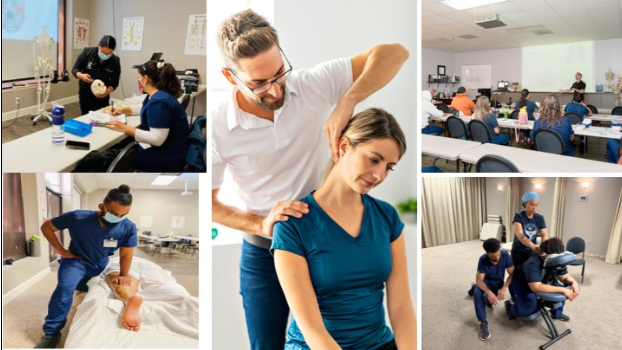
Selecting the right institution among schools for massage is one of the most important decisions a prospective massage therapist will ever make. The education you receive influences not only your technical skills (techniques, bodywork, anatomy knowledge), but also how prepared you are to succeed in the massage industry — whether in spas, clinical settings, sports therapy, or private practice. A poor choice may lead to inadequate training, wasted money and time, and difficulty transitioning smoothly into a career.
Yet many aspiring therapists make mistakes when selecting their schools for massage. Recognizing those common missteps can help you avoid them.
Mistake 1: Prioritizing Price Over Quality
One common error is selecting a program purely because it is inexpensive or on sale. While cost is important, choosing the cheapest option doesn’t guarantee good training. Some programs may under-deliver in terms of hands-on training, variety of techniques, experienced instructors, or real-world readiness.
Furthermore, hidden or additional costs (books, supplies, massage tables, equipment) often push the real price up — so what looks cheap initially may not remain so.
Mistake 2: Overlooking the Importance of Hands‑On and Practical Training
Massage therapy is a hands-on profession. It’s not enough to know theory; one must practice techniques under supervision, with real clients. A frequent mistake is enrolling in schools that emphasize lectures or theory but provide insufficient hands-on training, or lack a student clinic where trainees can practice under supervision.
Mistake 3: Not Checking Instructor Experience and Teaching Quality
The quality of instruction — not just the curriculum — matters a great deal. Having instructors with real-world experience, clinical background, and deep understanding of massage therapy ensures that students receive practical, nuanced training rather than rote, superficial instruction.
Some prospective students fail to check how long instructors have been practicing, whether they continue to work professionally, or whether they have teaching experience. When instructors lack depth in experience, students may miss out on critical insights that come only from years of hands-on practice.
Mistake 4: Choosing a School With a Limited Scope of Techniques or Modality
If a school focuses on only one or two massage modalities (for example only Swedish massage, or only relaxation massage), students may finish their program without exposure to a full range of methods. That limits flexibility once you start working — you might not be equipped to meet client needs ranging from deep-tissue/treatment massage to sports, therapeutic, or remedial contexts.
A well-rounded program should ideally cover anatomy, physiology, various massage styles (relaxation, deep tissue, trigger-point, perhaps remedial or sports massage), and prepare students for a variety of client needs.
Mistake 5: Ignoring Program Structure — Schedule, Class Size, and Support Services
Some students don’t consider how schedule, class size, and overall program structure will fit with their lifestyle. If class schedules are too rigid, it might conflict with work or personal commitments; if class sizes are large, there may be insufficient instructor interaction — a problem for a skill-based discipline like massage therapy.
Additionally, a good school should offer support services — such as mentoring, guidance for job placement or starting a practice, and ideally options for continuing education or clinical exposure.
Failing to verify these aspects can make the difference between a smooth, supportive educational journey and a frustrating, unstructured one.
Putting It Into Perspective — A Real-World Example
Let’s say you’re evaluating Academy for Massage San Antonio or San Antonio Massage School (or any other massage school in Texas/US).
- Don’t choose based on tuition alone. Look closely at how much hands-on practice the program offers, and whether that matches your long-term goals (spa, medical, sports, etc.).
- Ask about instructor backgrounds — are they experienced massage therapists, or newer graduates?.
- Evaluate what types of massage modalities they teach — is it just basic relaxation, or also deep tissue, trigger point, therapeutic, sports massage?
By avoiding the mistakes above, you significantly increase your chance of choosing a program that truly prepares you for a successful career.
Conclusion
Selecting a massage program is more than just finding cheap “schools for massage” — it’s about investing in your future as a competent, confident therapist. If you’re considering enrolling at places like Academy for Massage San Antonio or San Antonio Massage School (or any other institution), be sure to avoid the common pitfalls outlined above. By focusing on quality training, practical experience, experienced instructors, and long-term career alignment, you maximize your chance for success. A thoughtful approach will pay off as you begin your journey in massage therapy school San Antonio. If you’re seeking a robust option close to San Antonio, consider carefully what you want out of a massage school before committing.


Easy tips and tricks to clean your sofa at home
The sofa is the center of your living space. Your sofa is a place where you can relax, ent…
Entertainment Online with Positive Play
G28 proudly stands as a leading and reputable digital entertainment platform that represents quality, …