Compressed Air Filter: Why It Matters and How It Improves Air Quality in Industrial Systems

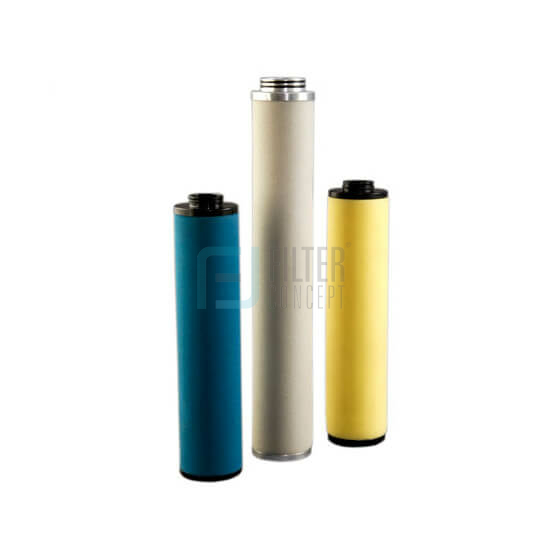
In modern industries, compressed air is often called the fourth utility, alongside electricity, water, and gas. It powers tools, controls machinery, supports production lines, and ensures smooth operations across manufacturing, automotive, food processing, pharmaceuticals, and many other sectors. However, compressed air is never naturally clean. This is where a Compressed Air Filter becomes essential. Without proper filtration, contaminated air can damage equipment, reduce efficiency, and compromise product quality.
What Is a Compressed Air Filter?
A compressed air filter is a device designed to remove contaminants such as dust, oil mist, water vapor, microorganisms, and solid particles from compressed air systems. When air is drawn into a compressor, it carries impurities from the surrounding environment. During compression, these impurities become more concentrated. Filters clean the air before it reaches sensitive equipment or end-use applications, ensuring reliability and safety.
Why Compressed Air Needs Filtration
Many people assume air is clean because it is invisible, but compressed air can contain several harmful elements. Moisture is one of the most common contaminants, created when air cools after compression. Oil aerosols from lubricated compressors, rust particles from pipelines, and airborne dust can also mix into the system. A high-quality compressed air filter prevents these pollutants from reaching tools and machines, reducing wear and preventing unexpected failures.
Types of Compressed Air Filters
Different applications require different levels of air purity. For this reason, compressed air filters are available in several types:
1. Particulate Filters
These filters remove solid particles like dust, rust, and scale. They are usually the first stage of filtration and protect downstream equipment from physical damage.
2. Coalescing Filters
Coalescing compressed air filters are designed to remove oil aerosols and fine water droplets. They work by forcing small droplets to merge into larger ones, which can then be drained out.
3. Activated Carbon Filters
These filters remove oil vapors, odors, and hydrocarbons from compressed air. They are commonly used in industries where air purity is critical, such as food, beverage, and pharmaceutical manufacturing.
4. Sterile or Microbial Filters
Used in sensitive environments, these filters remove bacteria and microorganisms, ensuring hygienic air for clean rooms and medical applications.
How a Compressed Air Filter Works
A compressed air filter works by forcing air through a specialized filtering element. As air passes through, contaminants are trapped while clean air flows forward. Many filters also include an automatic or manual drain system to remove collected water and oil. Proper installation and maintenance ensure consistent performance and long filter life.
Benefits of Using a Compressed Air Filter
Installing the right compressed air filter offers multiple advantages:
Improved Equipment Life
Clean air reduces corrosion, wear, and tear on pneumatic tools, valves, and cylinders. This leads to fewer breakdowns and longer equipment lifespan.
Higher Efficiency
Contaminant-free air allows machines to operate smoothly, reducing energy loss and improving overall system efficiency.
Better Product Quality
In industries like food processing, electronics, and painting, clean compressed air directly impacts product quality. Filters help prevent defects and contamination.
Lower Maintenance Costs
By protecting downstream components, compressed air filters reduce repair costs and unplanned downtime.
Compliance with Standards
Many industries must meet air quality standards such as ISO 8573. Proper filtration helps achieve and maintain compliance.
Choosing the Right Compressed Air Filter
Selecting the right compressed air filter depends on several factors:
-
Air quality requirements for your application
-
Operating pressure and flow rate
-
Type of compressor used (oil-lubricated or oil-free)
-
Environmental conditions such as humidity and dust levels
Often, a combination of filters is used in stages to achieve the desired air purity. Consulting with an air system expert can help identify the most suitable solution.
Maintenance and Replacement
Even the best compressed air filter requires regular maintenance. Filter elements can become clogged over time, reducing airflow and increasing pressure drop. This not only affects performance but also raises energy consumption. Routine inspection, timely element replacement, and proper drainage are essential to keep the system running efficiently.
Applications of Compressed Air Filters
Compressed air filters are used across a wide range of industries, including manufacturing, automotive workshops, food and beverage plants, pharmaceutical production, electronics assembly, textile mills, and construction sites. Anywhere compressed air is used, filtration plays a critical role in safety and performance.
Final Thoughts
A Compressed Air Filter is not just an accessory—it is a vital component of any compressed air system. By removing harmful contaminants, it protects equipment, improves efficiency, ensures product quality, and reduces long-term operational costs. Investing in the right filtration solution and maintaining it properly can make a significant difference in productivity and reliability. Whether for a small workshop or a large industrial facility, clean compressed air starts with the right filter.


Easy tips and tricks to clean your sofa at home
The sofa is the center of your living space. Your sofa is a place where you can relax, ent…
Entertainment Online with Positive Play
G28 proudly stands as a leading and reputable digital entertainment platform that represents quality, …