Erectile Dysfunction and Age: What’s Normal and What’s Not

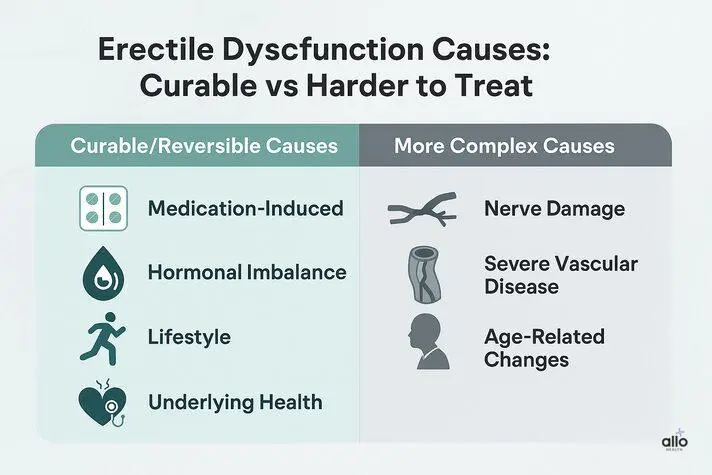
Many men believe erectile dysfunction comes free with a birthday cake after forty. That belief sounds logical, but it is not entirely true. Age affects sexual health, but erectile dysfunction is not an automatic result of getting older. Understanding what changes are normal and what signals a problem helps men seek the right erectile dysfunction treatment at the right time.
Let’s separate facts from assumptions.
How Age Affects Erectile Function
As men age, the body changes in predictable ways. Blood circulation slows slightly, hormone levels shift, and recovery time increases. These changes can affect erection quality and timing.
Occasional difficulty achieving or maintaining an erection can occur with age. Erections may take longer to develop, and they may not feel as firm as they once did. These changes alone do not mean erectile dysfunction.
Medical experts, including the National Institute of Diabetes and Digestive and Kidney Diseases, explain that aging increases risk factors for ED but does not directly cause it.
What Is Considered Normal With Age
Normal age-related changes usually happen gradually and do not completely stop sexual activity.
Men may notice fewer spontaneous erections or reduced sensitivity. Sexual desire may fluctuate depending on stress, health, and energy levels. These changes still allow satisfying intimacy.
If erections occur most of the time and sexual activity remains possible, doctors usually consider these changes normal. In such cases, medical treatment may not be necessary.
When Age Is Not the Real Problem
Persistent erectile dysfunction is not a normal part of aging. When erections rarely occur, disappear completely, or fail consistently, an underlying condition usually exists.
Health conditions such as diabetes, heart disease, high blood pressure, and obesity become more common with age. These conditions damage blood vessels and nerves that support erections. According to the Mayo Clinic, erectile dysfunction may act as an early sign of cardiovascular disease.
Hormonal imbalance also plays a role. Testosterone levels decline slowly with age, but a sharp drop may cause erectile dysfunction and reduced libido.
Psychological factors matter too. Stress, anxiety, and depression do not check a man’s age before affecting sexual health.
Erectile Dysfunction Treatment for Age-Related ED
Effective erectile dysfunction treatment focuses on the cause, not the age.
Doctors often start with oral medications such as sildenafil or tadalafil. These medications improve blood flow and work well for many older men. The American Urological Association supports their use across age groups when prescribed appropriately.
Hormone therapy may help men with confirmed testosterone deficiency. Doctors rely on blood tests rather than symptoms alone before starting treatment.
Lifestyle changes also play a powerful role. Regular exercise improves circulation. Healthy eating supports vascular health. Quitting smoking protects blood vessels. These steps improve ED treatment results at any age.
Psychological counseling helps when stress or performance anxiety contributes to erectile issues.
Erectile Dysfunction Treatment in Pakistan
Men seeking erectile dysfunction treatment in Pakistan now have access to professional and confidential care. Awareness about sexual health has improved, and qualified specialists offer evidence-based treatment.
Patients looking for erectile dysfunction treatment in Lahore and Multan can consult trained urologists who evaluate medical history, lifestyle factors, and underlying conditions before recommending treatment.
ED treatment in Pakistan works best when men avoid unverified supplements and seek medical guidance instead of shortcuts.
Why Ignoring ED Can Be Risky
Ignoring erectile dysfunction may delay diagnosis of serious health problems. ED often appears before symptoms of heart disease or diabetes become obvious.
According to research published in reputable medical journals, men with ED face a higher risk of cardiovascular events. Treating ED early may improve both sexual and overall health.
Silence does not protect health. Early evaluation often does.
Myths About Age and Erectile Dysfunction
Several myths discourage men from seeking help. One common myth suggests that ED means the end of sexual life. Another claims that treatment does not work for older men.
Both statements are false. Evidence-based ED treatment helps men across age groups. Age alone does not limit treatment success.
Another myth suggests that medication always leads to dependency. In reality, doctors adjust treatment based on response and health status.
When to See a Doctor
Men should consult a doctor if erectile problems last longer than a few weeks, worsen over time, or affect quality of life. Early consultation leads to better outcomes and fewer complications.
Doctors approach ED professionally and confidentially. There is no prize for waiting.
Final Thoughts
Aging brings changes, but erectile dysfunction is not an unavoidable outcome. Understanding what is normal and what is not empowers men to take control of their health.
Modern erectile dysfunction treatment offers effective solutions for men of all ages. With proper diagnosis and evidence-based care, most men regain confidence and sexual function.
Growing older is natural. Accepting untreated ED is not.


Easy tips and tricks to clean your sofa at home
The sofa is the center of your living space. Your sofa is a place where you can relax, ent…
Entertainment Online with Positive Play
G28 proudly stands as a leading and reputable digital entertainment platform that represents quality, …