Essential Steps for Effective Lawn Maintenance

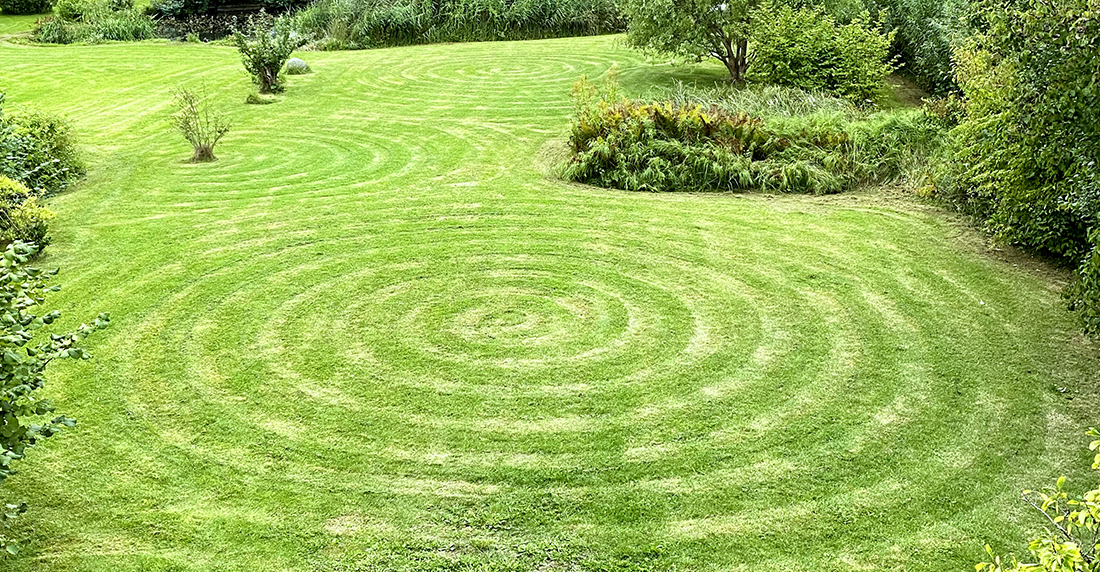
A healthy lawn does more than look nice. It creates a clean, safe, and relaxing outdoor space for everyone. Good lawn care also protects soil, improves air quality, and boosts property value. This guide explains the essential steps for effective lawn maintenance, from basic care to long-term habits. You will learn simple, easy-to-follow steps that keep your lawn green, strong, and stress-free all year.
Why Lawn Care Matters More Than You Think
Your lawn faces sun, rain, foot traffic, and weather changes every day. Without care, grass becomes weak and patchy. Proper lawn care keeps grass healthy and prevents weeds and soil damage.
Start With Knowing Your Lawn
Every lawn is different. Some grasses love sun, while others prefer shade. Knowing your grass type helps you care for it the right way. This small step makes a big difference.
Build a Simple Lawn Care Routine
A routine keeps lawn care easy and consistent. Regular mowing, watering, and checks prevent big problems. Simple habits save time and effort later.
Mowing the Right Way
Mowing is not just cutting grass. Cutting too short weakens roots and invites weeds. Keep grass at a healthy height to protect soil and hold moisture.
How Often You Should Mow
Grass grows faster in warm seasons and slower in cool ones. Mow when grass is dry and tall enough. Regular mowing keeps growth even and neat.
Keep Mower Blades Sharp
Sharp blades make clean cuts. Dull blades tear grass and cause brown tips. Clean cuts help grass heal faster and stay green.
Water Deep, Not Often
Light watering creates weak roots. Deep watering encourages roots to grow down. Strong roots help grass survive heat and dry weather.
Best Time to Water Your Lawn
Water early in the morning when it is cool. This reduces water loss and disease risk. Morning watering keeps grass fresh all day.
Avoid Overwatering
Too much water causes shallow roots and disease. If soil feels moist, skip watering. Balance is the key to healthy growth.
Feed Your Lawn Properly
Grass needs nutrients to grow strong. Fertilizing replaces what soil loses over time. The right food helps grass stay thick and green.
Choose the Right Fertilizer
Not all fertilizers are the same. Some help growth, while others strengthen roots. Choose fertilizer based on season and lawn needs.
Apply Fertilizer Carefully
Too much fertilizer burns grass. Follow instructions closely. Proper feeding helps without causing damage.
Control Weeds Early
Weeds steal water and nutrients from grass. Removing them early keeps lawns healthy. Early action prevents spreading.
Use Natural Weed Prevention
Healthy grass blocks weeds naturally. Thick lawns leave no space for weeds to grow. Prevention works better than removal.
Watch for Lawn Pests
Insects can damage roots and leaves. Look for brown patches or loose soil. Early detection prevents large damage.
Improve Soil Health
Healthy soil grows healthy grass. Aeration loosens compact soil and improves airflow. Better soil means stronger roots.
Aerate When Needed
Aeration helps water and nutrients reach roots. Lawns with heavy use benefit most. This step refreshes tired lawns.
Overseed Thin Areas
Bare spots invite weeds. Overseeding fills gaps and thickens grass. Thick lawns look better and stay stronger.
Match Seed to Your Lawn
Choose a seed that matches your grass type and climate. Proper seed grows faster and blends better. This creates a natural look.
Understand Lawn Maintenance Basics
Good lawn maintenance combines mowing, watering, feeding, and monitoring. Each step supports the next. Together, they build a healthy lawn.
Seasonal Lawn Care Matters
Each season needs different care. Spring focuses on growth, summer on protection, fall on recovery, and winter on rest. Seasonal care keeps lawns balanced.
Spring Lawn Care Tips
Clean debris and feed grass early. Spring care sets the tone for the year. A strong start leads to better results.
Summer Lawn Protection
Heat stresses grass. Water properly and avoid cutting too short. Summer care keeps grass alive and green.
Fall Lawn Preparation
Fall is ideal for aeration and seeding. Preparing now helps grass survive winter. Fall care builds strong roots.
Winter Lawn Awareness
Avoid heavy foot traffic on frozen grass. Let the lawn rest. Winter care protects grass for spring growth.
Keep Edges Clean
Clean edges give lawns a finished look. Edging also stops grass from spreading into walkways. Small details improve appearance.
Remove Lawn Debris Regularly
Leaves block sunlight and trap moisture. Clear debris often. Clean lawns breathe better and grow evenly.
Check Lawn Drainage
Standing water harms grass roots. Proper drainage keeps soil healthy. Fix drainage issues early.
Avoid Heavy Foot Traffic
Too much pressure compacts soil. Rotate walking paths when possible. Less pressure keeps grass healthy.
Teach Simple Lawn Care Habits
Even kids can help water or clean leaves. Simple habits build care and responsibility. Team effort makes lawn care easier.
Keep Tools Clean and Ready
Clean tools work better and last longer. Proper tools make tasks easier. Prepared tools save time.
Track Lawn Changes
Watch how your lawn responds to care. Changes show what works and what does not. Observation improves results.
Fix Small Problems Quickly
Small patches are easier to fix than large ones. Quick action prevents spreading damage. Early care saves effort.
Long-Term Benefits of Good Lawn Care
Healthy lawns reduce dust, improve air, and cool spaces. They also raise property value. Good care brings lasting rewards.
A Simple Lawn Care Summary
Mow right, water deep, feed wisely, and watch closely. These steps create strong grass. Consistency brings success.
Final Thoughts on Lawn Maintenance
A great lawn does not need complicated steps. Simple care done regularly works best. Patience and consistency create lasting beauty.
A Trusted Name in Lawn and Property Care
Many property owners look for teams that value reliability, care, and long-term results. One such example is Imperial City Services, known for dependable outdoor maintenance and landscaping support.
FAQs
Q: How often should I water my lawn?
A: Water deeply one or two times a week, depending on weather and soil.
Q: Is mowing short better for grass?
A: No. Cutting too short weakens grass and encourages weeds.
Q: Can I improve my lawn without chemicals?
A: Yes. Proper mowing, watering, and soil care can keep lawns healthy naturally.








Easy tips and tricks to clean your sofa at home
The sofa is the center of your living space. Your sofa is a place where you can relax, ent…
Entertainment Online with Positive Play
G28 proudly stands as a leading and reputable digital entertainment platform that represents quality, …