How a Contactor Switch Works: A Complete Beginner’s Guide

Electrical systems in residential, commercial, and industrial environments rely on reliable switching devices to control power flow safely. Among these devices, the contactor switch stands out as one of the most widely used components for managing high-current loads. From motor starters and lighting circuits to HVAC systems and automated machinery, contactors ensure that equipment operates efficiently, safely, and with precise control.
For beginners exploring electrical systems, understanding how a contactor switch works helps build a solid foundation of knowledge about automation, safety, and power management. This guide explains what a contactor is, how it functions, the role of an electromagnetic contactor, its types, construction, applications, and key advantages.
What Is a Contactor Switch?
A contactor switch is an electrically controlled switching device designed to handle high-power circuits. Unlike regular switches used in homes, which operate manually, a contactor operates automatically using electrical signals. Because it can control large loads remotely and repeatedly, it is a cornerstone of electrical control systems.
Contactors are primarily used for:
- Switching motors on and off
- Managing industrial lighting circuits
- Controlling heating and cooling equipment
- Allowing automation systems to energize or de-energize equipment
- Ensuring electrical isolation during equipment shutdown
The key feature distinguishing a contactor from other switches is that it allows safe control of high currents using low-voltage control signals.
Role of an Electromagnetic Contactor
The most common type of contactor is the electromagnetic contactor, which uses magnetic force to open or close electrical contacts. This makes the operation quick, reliable, and suitable for high-frequency switching.
An electromagnetic contactor works using three primary components:
- Electromagnet (Coil) – When current flows through the coil, it creates a magnetic field that pulls the movable contacts into position.
- Contacts – These are conductive parts that close the circuit when the electromagnet is energized.
- Spring Mechanism – This returns the contacts to their original position when power to the coil is removed.
Because the operation relies on electromagnetism, the device can respond instantly to control signals coming from switches, sensors, or automation controllers.
How a Contactor Switch Works
To understand the working principle of a contactor switch, consider the process in simple steps:
- Control Signal Energizes the Coil
When a control device, such as a relay, switch, or automation controller, sends a signal to the contactor coil, it becomes energized. This coil typically operates at a lower voltage (such as 24V, 48V, or 110V), even when the main power circuit runs at higher levels.
- Magnetic Field is Produced
The energized coil generates a magnetic field strong enough to move the armature. This movement is the essential switching action inside the contactor.
- Contacts Close and Power Flows
The movable armature pulls the contacts together, completing the electrical path. This allows high current to flow to the connected load, such as motors or industrial equipment.
- Coil De-Energizes and Contacts Open
When the control signal stops, the magnetic field collapses, allowing the spring mechanism to push the contacts back to their open position. This breaks the circuit and stops the power flow.
This simple yet powerful process allows contactors to control heavy electrical loads with minimal manual intervention.
Types of Contactor Switches
Different applications require different types of contactors. Some common variants include:
- AC Contactors
These are used for alternating current loads, such as pumps, compressors, and lighting systems.
- DC Contactors
Used in DC applications like battery-operated equipment, electric vehicles, and solar power systems.
- Mini Contactor Switches
Compact versions are used in small control panels or low-power applications.
- Capacitor Switching Contactors
Designed specifically to switch capacitors in power factor correction panels without damaging the circuit.
- Motor Contactors
These are built to withstand frequent switching and the high starting currents required by motors.
The most widely used type remains the electromagnetic contactor, known for its reliability and durability.
Construction of an Electromagnetic Contactor
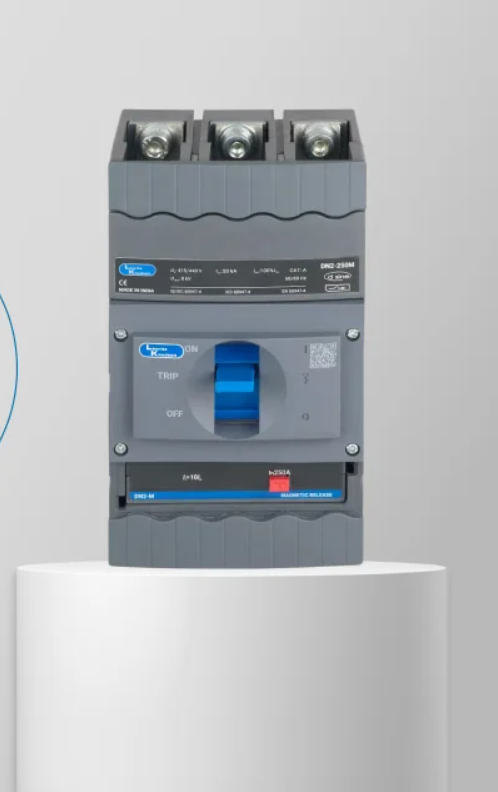
An electromagnetic contactor is designed with precision to ensure long-term, safe operation. Its construction typically includes:
- Coil and Core Assembly – Creates the magnetic force required for switching.
- Power Contacts – Made of high-conductivity metals like silver alloy for minimal resistance.
- Auxiliary Contacts – Used for signaling, interlocking, or additional control functions.
- Arc Chutes – Help extinguish the electric arc produced when switching high currents.
- Enclosure – Protects internal components from dust, heat, and moisture.
Each component plays a key role in ensuring smooth and safe operation under varying electrical conditions.
Applications of Contactor Switches
Contactors are essential in a wide range of applications because of their ability to control large electrical loads remotely and safely. Common uses include:
- Motor Control
Industries heavily rely on contactors to start, stop, and reverse motors in conveyor systems, pumps, and machines.
- Lighting Control
Large buildings, malls, stadiums, and street lighting systems use contactors for automatic or scheduled lighting.
- HVAC Systems
Air conditioners, chillers, heaters, and ventilation units use contactors for switching high-power components.
- Industrial Automation
Factories integrate contactors with PLCs (Programmable Logic Controllers) to automate machinery and production lines.
- Power Distribution
Contactors help isolate and manage electrical loads without requiring manual operation of high-voltage switches.
- Safety Interlocking Systems
Auxiliary contacts provide feedback to safety circuits, ensuring equipment runs only under safe conditions.
Advantages of Using Contactor Switches
A contactor switch offers several important benefits:
- Remote Operation: Control high-power loads from safe distances.
- High Durability: Built for frequent switching cycles.
- Safety: Reduces direct exposure to high voltages.
- Automation Compatibility: Works smoothly with timers, sensors, and control systems.
- Low Control Power: Minimal power needed to operate the coil.
- Fast Switching: Electromagnetic action ensures quick response.
- Long Service Life: High-quality materials ensure reliable performance even under heavy loads.
These advantages make contactors indispensable in modern electrical systems across the world.
Conclusion
Understanding how a contactor switch works is essential for anyone dealing with electrical control systems, automation, or power distribution. Its ability to manage high loads safely using low-voltage signals makes it a vital device in industries, commercial buildings, and modern infrastructure. The role of the electromagnetic contactor further enhances performance by ensuring fast, reliable, and automated switching.
For those seeking high-quality electrical control solutions, Lauritz Knudsen Electrical and Automation remains a trusted provider, offering reliable products and expertise to support efficient and safe system operations.


Easy tips and tricks to clean your sofa at home
The sofa is the center of your living space. Your sofa is a place where you can relax, ent…
Entertainment Online with Positive Play
G28 proudly stands as a leading and reputable digital entertainment platform that represents quality, …