How Community Pools Stay Safe, Clean, and Well-Organized
How Community Pools Stay Safe, Clean, and Well-Organized

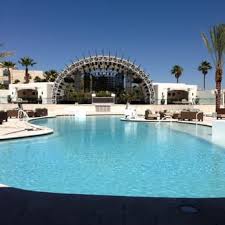
Community pools are often the heart of a neighborhood. They bring families together, offer a place to relax, and add real value to residential communities. But keeping a shared pool safe, clean, and well-organized is not as easy as it looks. Behind every clear pool and smooth operation is consistent planning, regular care, and professional oversight.
Whether it’s an HOA-managed community, apartment complex, or residential association, maintaining a community pool requires more than just occasional cleaning. It takes structure, routine, and expertise to ensure everyone can enjoy the pool without worry.
Let’s break down how community pools stay in great shape and why proper management matters so much.
Why Community Pool Management Is Important
Unlike private pools, community pools are used by many people every day. Different ages, different habits, and high foot traffic mean more responsibility. Without proper management, small issues can quickly turn into big problems.
Good pool management helps to:
-
Keep swimmers safe
-
Maintain clean and healthy water
-
Avoid costly repairs
-
Stay compliant with local rules
-
Create a pleasant experience for residents
A well-managed pool reflects a well-managed community.
Keeping Community Pool Safe
Safety is always the top priority. A community pool should be a place of enjoyment, not risk.
1. Clear Pool Rules and Signage
Rules like no running, no diving in shallow areas, and proper supervision for children are essential. Visible signage helps everyone understand what’s allowed and what’s not.
2. Regular Safety Inspections
Ladders, handrails, drains, pool covers, and lighting need routine checks. Even a loose tile or slippery deck can become dangerous if ignored.
3. Emergency Equipment Readiness
Life rings, rescue poles, and first-aid kits must always be accessible and in working condition. These small details make a big difference during emergencies.
4. Trained Supervision
In many communities, especially during peak seasons, trained lifeguards or pool supervisors are essential. They monitor activity and respond quickly if something goes wrong.
How Community Pool Stay Clean
Cleanliness is what most residents notice first. Cloudy water or debris can instantly turn people away.
1. Daily Surface Cleaning
Skimming leaves, insects, and debris keeps the pool looking inviting. This also prevents contaminants from sinking and affecting water quality.
2. Regular Brushing and Vacuuming
Walls, steps, and pool floors collect dirt and algae over time. Brushing and vacuuming prevent buildup and staining.
3. Proper Water Chemistry
Balanced water is key to a clean pool. Chlorine, pH, and alkalinity levels need constant attention to keep water clear and safe for skin and eyes.
4. Efficient Filtration Systems
Filters remove tiny particles that aren’t visible. Regular filter cleaning and maintenance ensure the water stays crystal clear.
Staying Well-Organized: The Hidden Side of Pool Care
Organization is what keeps everything running smoothly behind the scenes.
1. Maintenance Schedules
Having a set schedule for cleaning, inspections, and servicing ensures nothing is forgotten. Consistency prevents breakdowns and emergencies.
2. Record Keeping
Logs for water testing, chemical use, repairs, and inspections help communities stay compliant and prepared for audits or health checks.
3. Vendor and Staff Coordination
From technicians to lifeguards, proper scheduling ensures the right people are in the right place at the right time.
4. Seasonal Planning
Pools need different care depending on the season. Opening, closing, and weather-based adjustments protect equipment and reduce long-term costs. Using a properly fitted tarpaulin to helps protect the pool when it’s not in use, keeping debris out and reducing maintenance needs.
Common Challenges Community Pool Face
Even well-run pools face challenges, such as:
-
Overcrowding during peak season
-
Residents not following rules
-
Equipment wear and tear
-
Rising maintenance costs
-
Changing safety regulations
These challenges are much easier to handle with structured management rather than reactive fixes.
Why Professional Management Makes a Difference
Many communities try to manage pools on their own, but this often leads to stress and inconsistency. Professional management brings experience, systems, and accountability.
Benefits include:
-
Fewer safety incidents
-
Consistent water quality
-
Faster problem resolution
-
Better cost control
-
Peace of mind for boards and residents
When professionals handle the details, communities can focus on enjoying the pool instead of worrying about it. Read More Blogs
What Residents and Boards Should Expect
A well-managed community pool should:
-
Always look clean and inviting
-
Have balanced, comfortable water
-
Operate with clear rules and structure
-
Be ready for inspections at any time
-
Offer a safe experience for all ages
When these expectations are met, pool complaints drop and satisfaction rises.
Conclusion
Community pools don’t stay safe, clean, and organized by accident. It takes consistent care, attention to detail, and proper planning to manage shared swimming spaces successfully. From daily cleaning and water balancing to safety checks and seasonal preparation, every step plays an important role.
Partnering with a reliable HOA pool management company helps communities maintain high standards, reduce risks, and ensure residents enjoy a stress-free swimming experience year after year.
FAQs
1. How often should a community pool be cleaned?
Most community pools require daily surface cleaning and weekly deep cleaning, depending on usage.
2. Who is responsible for pool safety in an HOA?
The HOA is responsible, but safety is best handled by trained professionals and proper management systems.
3. Why does pool water turn cloudy?
Cloudy water usually results from poor filtration, improper chemical balance, or heavy usage.
4. Are lifeguards required for community pools?
Requirements vary by location, but many communities choose lifeguards to enhance safety and reduce liability.
5. How can HOAs reduce pool maintenance costs?
Regular preventive maintenance and professional oversight help avoid expensive emergency repairs.
6. What happens if a community pool fails inspection?
The pool may be closed until issues are fixed, which can frustrate residents and increase costs.


Easy tips and tricks to clean your sofa at home
The sofa is the center of your living space. Your sofa is a place where you can relax, ent…
Entertainment Online with Positive Play
G28 proudly stands as a leading and reputable digital entertainment platform that represents quality, …