How Much Does A Membrane Roof Cost?
Understanding Membrane Roof Costs Made Simple

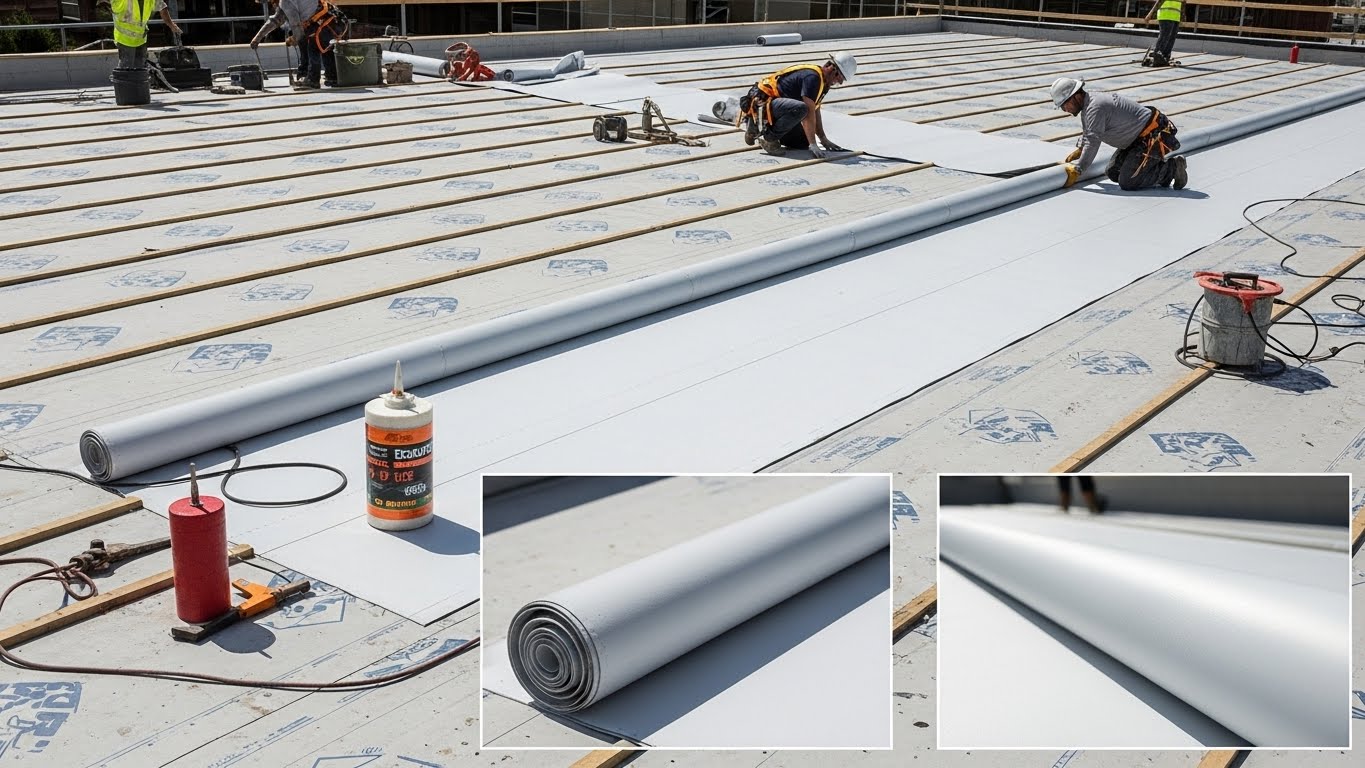
A membrane roof is a common roofing system used on flat and low-slope buildings, and the cost usually ranges between 8$ and 14$ per square foot, including materials and installation, depending on roof size, material type, labor costs, and building location. Many homeowners and property owners want clear price details because roofing is a major investment, and knowing the expected cost helps with better planning, budgeting, and decision-making before starting the roofing project.
A membrane roof uses strong sheets made from rubber, plastic, or special layered materials that sit on top of a building to stop water from entering. Professional planning, measuring, and material calculation, such as accurate takeoff services, help builders estimate the right budget, avoid waste, and manage the total roofing expense in a smart and controlled way.
The total price of a membrane roof usually depends on size, material type, labor, weather, area, and building shape. On average, membrane roofing costs range from eight dollars to fourteen dollars per square foot, including material and installation. A small garage roof costs much less than a large warehouse roof because the roof size changes everything.
Different Types Of Membrane Roofing Materials And Prices
There are three primary membrane roofing materials that are in use today. Each material has its own price range and lifespan.
EPDM Rubber roofing
EPDM is made of black rubber, and it looks quite simple, but it does a great job. The price per square foot is approximately 8$ to 10$. It’s durable, and it can handle sun and rainfall well. EPDM remains flexible for many building owners and is not prone to cracking.
TPO Roofing
TPO roofing uses white or light colored sheets of plastic. On average, the cost is nine to thirteen dollars a square foot. This material helps to reduce the amount of heat that is generated in a building by reflecting sunlight. TPO is widely used in modern buildings because it can save energy.
PVC Roofs
Water and chemical resistance are high on PVC. The material costs more per square foot, typically between 11$-14$. You can use it in restaurants, factories, or places that have strong fumes.
Calculate The Labor Cost For Installation
Pricing membrane roofs is heavily influenced by labor costs. Skilled workers are more expensive, but the work they do is of high quality. Labor rates can be anywhere between $3 and $6 per square inch, depending on the size of the roof or project.
It takes longer to install a flat roof with many angles, pipes, and drains. It is expensive to remove old roofs. It is more expensive to build a roof on a taller building because it requires extra safety and attention.
Roof Size And Shape Impact
It costs more to build a bigger roof because more materials are needed, and it takes more time. It is cheaper to have a flat roof than one with curves. Because the time required to install a small roof is constant, it can cost more. Due to their large size, many larger projects have lower costs per square foot.
Weather And Location Affect Pricing
Weather conditions influence membrane roof costs. Strong sun and heavy rain can cause buildings to need more insulation. All of these factors increase the material costs.
Pricing is affected by building standards in each region. The price can also be affected by local building codes. The cost of transportation can be a factor if you are transporting roofing materials over long distances.
Insulation Costs And Drainage Costs
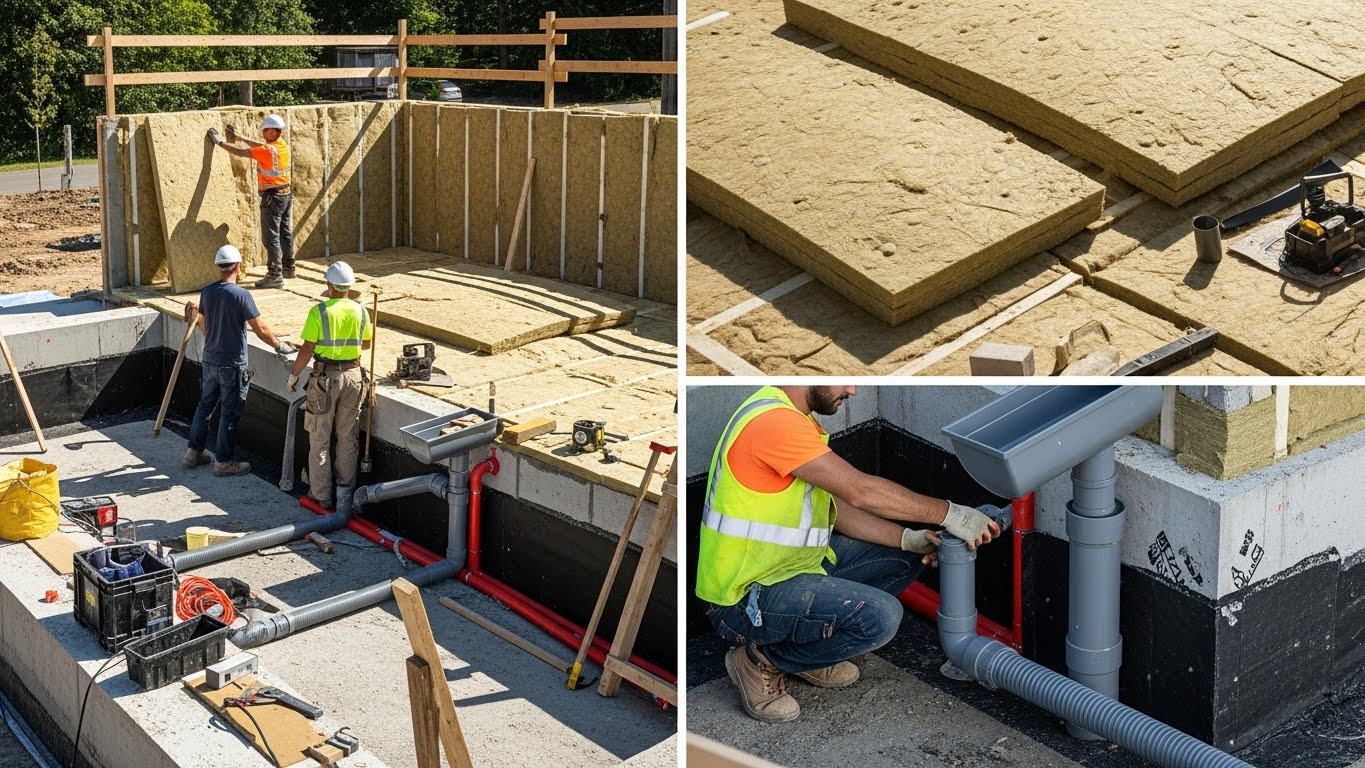
Membrane roofs often include layers of insulation beneath the membrane. The addition of insulation can enhance indoor comfort while increasing energy efficiency. It costs one to three dollars per foot more for insulation.
System drainage is equally important. It is important to drain flat roofs properly in order to avoid ponding water. These extra slopes, drains, and scuppers increase your roofing cost.
Maintenance And Value Over The Long Term
It is important to take care of your membrane roof regularly in order for it to be strong. The cleaning, inspection, small repair, and maintenance can avoid major damage. Most maintenance is done at a low cost, about a hundred dollars yearly.
A roof made of membranes will help you save money in the long term by saving on repairs and also protecting the structure. A roof that is installed correctly can last anywhere from twenty to thirty-five years, depending on its material and climate exposure.
Cost Difference Between Residential And Commercial Membrane Roofs
It is possible to get residential membrane roofing at a lower price because of the smaller roof. A full membrane roofing project can cost between $5,000-$12,000.
Costs for membrane commercial roofs increase due to material and thickness. Costs for large commercial buildings can reach twenty thousand or even thirty thousand dollars, depending upon the scale and design requirements.
Removal Of Old Roofing Sheet Material
A new roof will cost more if the old one must be removed. The price of old roof removal is between $1 $3 per square. Some projects permit membrane installation on an existing roofing system, but the cost is reduced depending on the roof conditions.
Some membrane roofing systems offer warranties. Material warranties are usually 15-30 years. Labor warranties are different depending on who is doing the work. A longer warranty is usually more expensive upfront but offers better security in the long term.
How To Prepare A Budget For Membrane Roofs
The planning process begins with roof measurements, material selection, and labor assessments. Avoid surprises with an in-depth inspection. Clear planning helps to maintain financial and project control.
Hiring professionals who are experienced improves results and reduces errors. The long-term savings of proper planning are worth the higher initial cost.
Cost Impact And Benefits To The Environment
Some membrane roofs support green building goals. White membranes lower the cooling cost and reduce heat absorbtion. Several membranes can support the installation of solar panels to add value to a building.
Even though these benefits are not a direct reduction of price at the time, they increase property value over time and allow for long-term savings.
Final Verdict
Many factors affect the cost of a roof membrane. Roof size, type of material, level of workmanship, drainage system, location, and insulation all play a role. Costs are typically between eight dollars and fourteen dollars per square inch, depending on your project.
An investment in a membrane roofing system can last for several years if it is installed and planned with great care.
FAQs
How Long Is A Membrane Roofing System Good For?
The lifespan of a membrane roof is usually between twenty-five and thirty years if it’s installed correctly and regularly maintained.
Can Membrane Roofs Be Used For Residential Homes?
For homes with low-slope or flat roofs, membrane roofing offers strong waterproofing and long-lasting protection.
Is The Cost Of A Membrane Roof The Main Factor That Affects It?
Materials, roofing size, worker skill, thickness of insulation, and local weather conditions are the factors that most influence the price.



Easy tips and tricks to clean your sofa at home
The sofa is the center of your living space. Your sofa is a place where you can relax, ent…
Entertainment Online with Positive Play
G28 proudly stands as a leading and reputable digital entertainment platform that represents quality, …