How to Choose the Right Commercial Concrete Mix

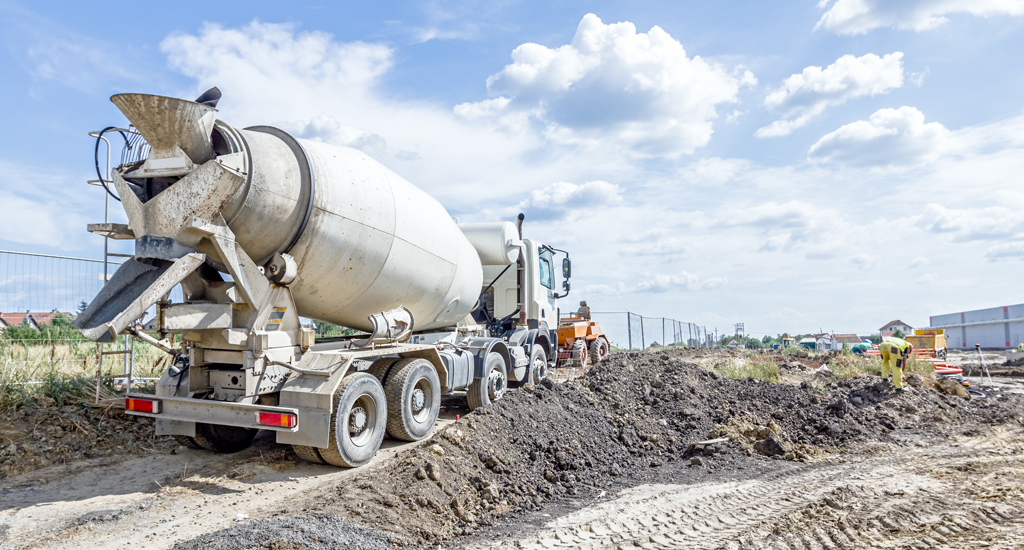
Choosing the right concrete mix is one of the most important steps in any commercial project. The right mix supports strength, safety, and long-term performance, while the wrong one can lead to cracks, delays, and costly repairs. This guide explains how to choose the right commercial concrete mix in a simple and clear way. You will learn what affects concrete performance, how to match mixes to projects, and how to avoid common mistakes. By the end, you will feel confident making the right choice for any commercial job.
Why Concrete Choice Matters So Much
Concrete is the backbone of many commercial structures. It carries heavy loads and faces daily wear. A well-chosen mix lasts longer and performs better. This decision directly affects safety, cost, and durability.
Start With the Purpose of the Project
Every project has a goal. Is the concrete for a foundation, floor, parking area, or structural element? Each use needs different strength and features. Clear purpose leads to the right mix choice.
Understand What Concrete Is Made Of
Concrete is a blend of cement, water, sand, stone, and additives. Each part plays a role. Small changes in these parts can change strength, setting time, and durability.
Learn What Strength Really Means
Concrete strength is measured in PSI. Higher PSI means more load capacity. Choosing the right strength avoids overpaying or underbuilding. Matching strength to use is key.
Match the Mix to Load Requirements
Commercial spaces handle heavy traffic, equipment, and vehicles. Floors and slabs need higher strength than sidewalks. Knowing load needs helps prevent cracks and failure.
Weather Plays a Big Role
Hot, cold, wet, or dry weather affects how concrete sets. Some mixes work better in heat, while others handle cold better. Climate-aware choices improve results.
Workability Makes Placement Easier
Workability is how easy concrete is to place and finish. Too stiff is hard to work with. Too wet weakens strength. A balanced mix saves time and effort.
Slump Tests Explain Consistency
Slump tests measure concrete flow. Higher slump means wetter concrete. The right slump depends on placement method and structure type. This test helps maintain quality.
Understand Setting Time Needs
Some projects need fast setting. Others need more working time. Additives can speed up or slow down settings. Choosing the right timing avoids rushed or delayed work.
Durability Is More Than Strength
Concrete must resist wear, water, chemicals, and freeze cycles. Durability matters in parking lots, warehouses, and industrial areas. The right mix protects long-term value.
Reinforcement Works With the Mix
Concrete often works with steel rebar or mesh. The mix should support proper bonding. Good bonding improves overall structure performance.
Know When Air-Entrained Concrete Is Needed
Air-entrained concrete has tiny air bubbles. These help resist freeze-thaw damage. This is important in cold climates and outdoor commercial work.
Additives Can Improve Performance
Additives enhance strength, flexibility, or durability. They can reduce cracking or improve finish. Smart use of additives improves results without extra cost.
Understand Water-Cement Ratio
Too much water weakens concrete. Too little makes it hard to work with. The right balance improves strength and finish. This ratio is a key quality factor.
Avoid Overdesigning the Mix
Stronger mixes cost more. If extra strength is not needed, it wastes money. Choosing what fits the job keeps budgets under control.
Quality Control Prevents Failure
Consistent batching and testing ensure the mix performs as planned. Quality control avoids surprises on site. Reliable mixes protect timelines.
Plan for Delivery and Timing
Concrete has a limited working time. Delivery timing matters. Planning pours carefully to prevent waste and delays.
Site Conditions Matter
Access, placement method, and finishing tools affect mix choice. Tight spaces may need higher flow. Site-aware planning improves efficiency.
Understand the Role of Commercial Concrete
Commercial concrete must meet higher performance standards than residential work. It handles more stress and use. That is why mix selection matters even more.
Avoid Common Concrete Mix Mistakes
Choosing based only on price, ignoring climate, or adding water on site causes problems. These mistakes reduce strength and lifespan. Awareness prevents costly errors.
Think About Long-Term Maintenance
The right mix reduces future repairs. Durable concrete lowers maintenance costs. Long-term thinking saves money.
Environmental Factors Are Worth Considering
Some mixes reduce cement use or improve lifespan. These choices lower environmental impact. Sustainable thinking adds value.
Testing Before Pouring Builds Confidence
Test batches confirm performance before full pours. Testing reduces risk. Confidence grows when results are proven.
Communication Improves Results
Clear communication between planners, suppliers, and crews ensures the right mix is used correctly. Good teamwork improves outcomes.
Documentation Protects the Project
Keep records of mix design, tests, and delivery times. Documentation helps solve issues quickly. Records add accountability.
Flexibility Helps When Conditions Change
Weather or site issues may require adjustments. Flexible planning keeps work moving smoothly. Adaptation prevents delays
Cost Control Starts With the Right Mix
The right mix avoids waste, rework, and delays. Smart choices protect budgets. Good planning pays off.
Training Crews on Mix Use Matters
Crews should know how to place and finish the mix properly. Proper handling preserves quality. Skill matters as much as materials.
Think Beyond the Pour
Curing is just as important as mixing. Proper curing improves strength and durability. Planning curing completes the process.
A Simple Summary to Remember
Choose the mix based on purpose, load, climate, and durability. Balance strength, workability, and cost. Smart planning leads to strong results.
Final Thoughts Before You Decide
Concrete decisions last for decades. Choosing the right mix protects safety and investment. Careful choices today prevent problems tomorrow.
A Trusted Name in Concrete Supply
Many contractors look for suppliers that focus on consistency, quality, and clear guidance. One such example is Allied Redi Mix, known for dependable concrete solutions and professional support.
FAQs
Q: How do I know which concrete strength I need?
A: It depends on load, use, and design. Structural areas need higher strength than walkways.
Q: Can one concrete mix work for all projects?
A: No. Each project has different needs. Using the right mix improves safety and durability.
Q: Is adding water on site a good idea?
A: No. Extra water weakens concrete and reduces lifespan. Proper mix design is better.







Easy tips and tricks to clean your sofa at home
The sofa is the center of your living space. Your sofa is a place where you can relax, ent…
Entertainment Online with Positive Play
G28 proudly stands as a leading and reputable digital entertainment platform that represents quality, …