Kanchipuram Sarees for Wedding and Bridal Occasions

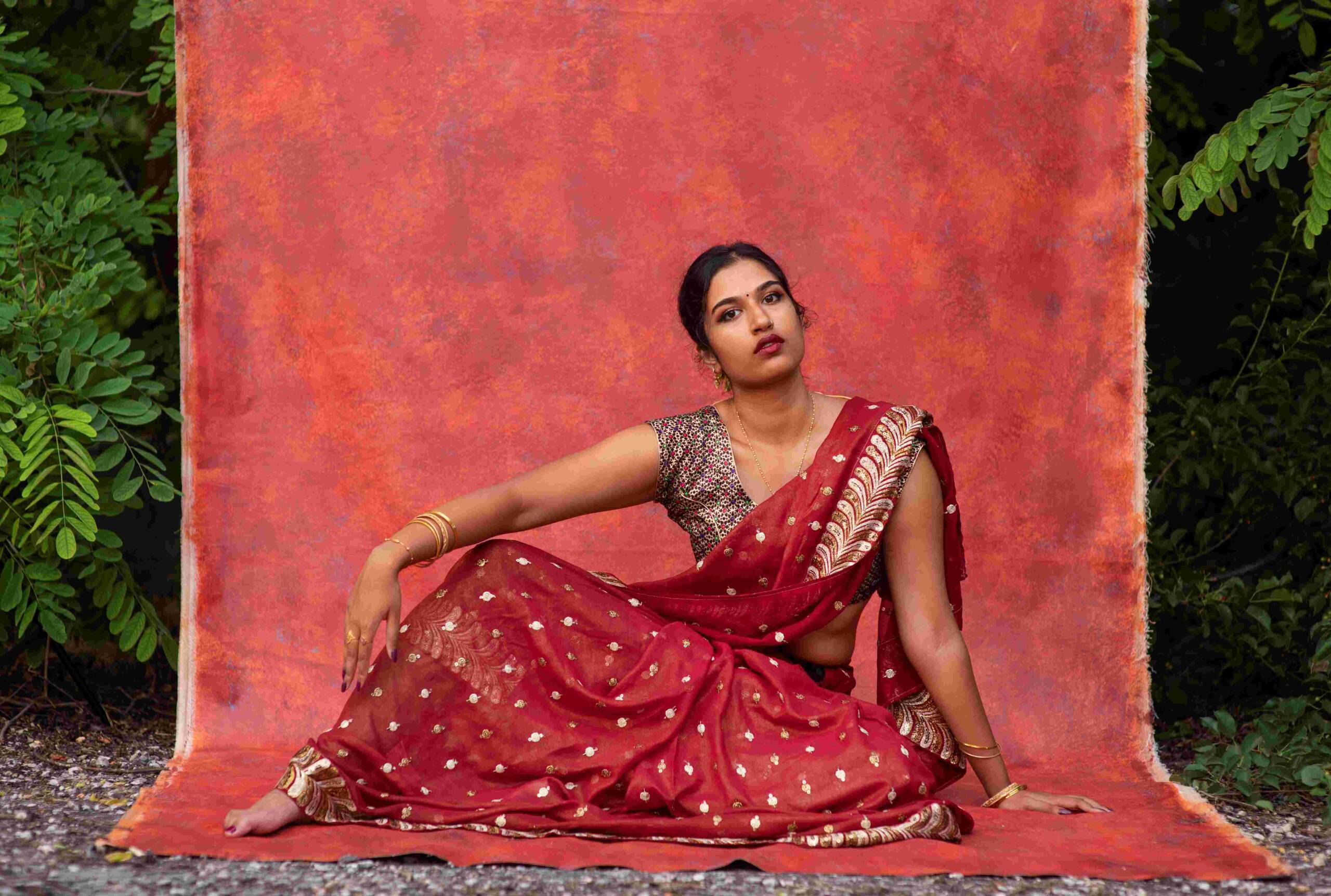
Among the most coveted treasures in Indian bridal trousseaus, Kanchipuram sarees for wedding ceremonies stand unrivaled in their grandeur and cultural significance. Originating from the temple town of Kanchipuram in Tamil Nadu, these legendary sarees have adorned brides for centuries, transforming them into visions of traditional elegance on their most important day. The weaving traditions of Kanchipuram represent one of India’s oldest and most respected textile arts, with techniques and designs passed down through generations of master weavers.
The Legacy of Kanchipuram
The history of Kanchipuram silk weaving traces back over 400 years, with some scholars suggesting origins even earlier. The town’s weavers, many belonging to the Devanga and Saligars communities, have perfected their craft over countless generations. Legend holds that the original weavers were descendants of Sage Markanda, the master weaver of the gods, explaining the divine quality attributed to these sarees. The proximity to numerous ancient temples inspired the intricate motifs that characterize Kanchipuram designs, with weavers drawing patterns from temple architecture, scriptures, and religious iconography.
What distinguishes Kanchipuram sarees for wedding celebrations is the exceptional quality of silk used and the unique weaving technique. The silk threads are thicker than those used in other silk varieties, resulting in a heavier, more durable fabric that drapes majestically. The distinctive feature of three-shuttle weaving allows different colors for the body, border, and pallu, creating striking contrasts that enhance visual appeal. The zari work, traditionally using pure silver threads coated with gold, adds a regal sheen that catches light beautifully.
Characteristics That Define Excellence
Authentic Kanchipuram sarees possess several identifying features. The fabric weight typically ranges from 400 to 1000 grams, with bridal pieces often weighing even more due to extensive zari work. This substantial weight contributes to the saree’s impressive drape and creates a sense of occasion appropriate for weddings. The borders are usually woven separately and then interlocked with the body through a technique called “korvai,” creating a strong join that won’t separate even after years of wear.
The color palette of Kanchipuram sarees for wedding ceremonies traditionally includes rich, deep shades considered auspicious for marriages. Red symbolizes prosperity and fertility, making it the most popular choice for Tamil brides. Gold represents wealth and divinity, while green signifies new beginnings. Royal blue, magenta, purple, and maroon are other favored colors, often combined with contrasting borders to create dramatic visual effects. Contemporary brides also choose softer pastels and unique color combinations that reflect personal style while respecting tradition.
Traditional Motifs and Designs
The artistic vocabulary of Kanchipuram weaving includes numerous traditional motifs, each carrying symbolic significance. Temple borders featuring architectural elements like gopuram towers and pillars remain among the most sought-after designs. Rudraksha borders with their distinctive bead-like patterns are considered especially auspicious for weddings. Peacock and parrot motifs symbolize beauty and prosperity, while elephant designs represent strength and wisdom. The mango (paisley) motif, believed to represent the cosmic egg, appears frequently as both border design and body pattern.
The pallu of Kanchipuram sarees for wedding ceremonies receives extraordinary attention, often featuring the most elaborate designs. Traditional pallus showcase mythological scenes, temple architecture, or dense patterns of traditional motifs. Some feature checks combined with motifs, creating texture and visual interest. The contrast pallu, where the pallu color differs dramatically from the body, has become increasingly popular for creating striking photographs and memorable appearances.
Choosing the Perfect Bridal Kanchipuram
Selecting a Kanchipuram saree for a wedding requires considering several factors. The bride’s complexion influences color choice, with certain shades complementing specific skin tones better. Personal preferences regarding color and design style should guide selection while considering family traditions and regional customs. The wedding venue and time of day also matter, as heavy zari work photographs beautifully in natural light and indoor lighting alike.
Budget considerations significantly impact choice, as authentic Kanchipuram sarees range from moderately priced to extremely expensive depending on zari content, design complexity, and weaving time. Bridal pieces with heavy zari work can take several weeks to months to complete, commanding premium prices. However, this investment provides a cherished keepsake that can be preserved and potentially passed down to future generations.
Authentication remains crucial when purchasing Kanchipuram sarees for wedding occasions. The Silk Mark certification guarantees pure silk content, while the Geographical Indication (GI) tag confirms origin from Kanchipuram. Purchasing from established dealers with good reputations ensures authenticity and quality. Examining the saree carefully for uniform weaving, properly interlocked borders, and consistent zari quality helps verify craftsmanship standards.
Styling for the Wedding Day
Creating the perfect bridal look with a Kanchipuram saree involves coordinating multiple elements. The blouse design significantly impacts overall appearance, with options ranging from traditional short-sleeved styles to contemporary designs featuring interesting backs, necklines, and sleeve treatments. Heavy embroidery or zari work on the blouse complements the saree while adding dimension to the ensemble.
Jewelry selection should enhance rather than overpower the saree’s inherent beauty. Traditional South Indian temple jewelry in gold creates a cohesive classical look, while diamond sets offer contemporary elegance. The bride’s hairstyle, makeup, and accessories all contribute to creating a harmonious appearance that feels both traditional and personal.
Beyond the Wedding Day
While purchased primarily for weddings, these magnificent sarees deserve to be worn on other significant occasions. Anniversary celebrations, major festivals like Diwali, religious ceremonies, and special family gatherings provide opportunities to wear and enjoy these precious garments. Some brides choose to create blouse variations in different styles, giving the saree new looks for different occasions.
Care and Preservation
Proper care ensures these valuable sarees maintain their beauty for decades. Professional dry cleaning prevents damage from improper washing. Storage in muslin cloth away from direct sunlight and moisture preserves colors and fabric integrity. Periodic airing and refolding at different points prevents permanent creases. Some families maintain special trunks or storage solutions specifically for preserving precious sarees, treating them as the valuable heirlooms they are.
Conclusion
The enduring popularity of these magnificent sarees for bridal wear testifies to their unmatched beauty and cultural significance. They represent more than wedding attire; they embody tradition, craftsmanship, and the sacred nature of marriage itself. Wearing one connects the bride to centuries of Tamil heritage while creating memories that last a lifetime. The investment in an authentic piece provides not just a stunning garment for the wedding day, but a cherished possession that carries emotional and cultural value far beyond its monetary worth.


Easy tips and tricks to clean your sofa at home
The sofa is the center of your living space. Your sofa is a place where you can relax, ent…
Entertainment Online with Positive Play
G28 proudly stands as a leading and reputable digital entertainment platform that represents quality, …