Kuari Pass Trek in Winter: Complete Guide

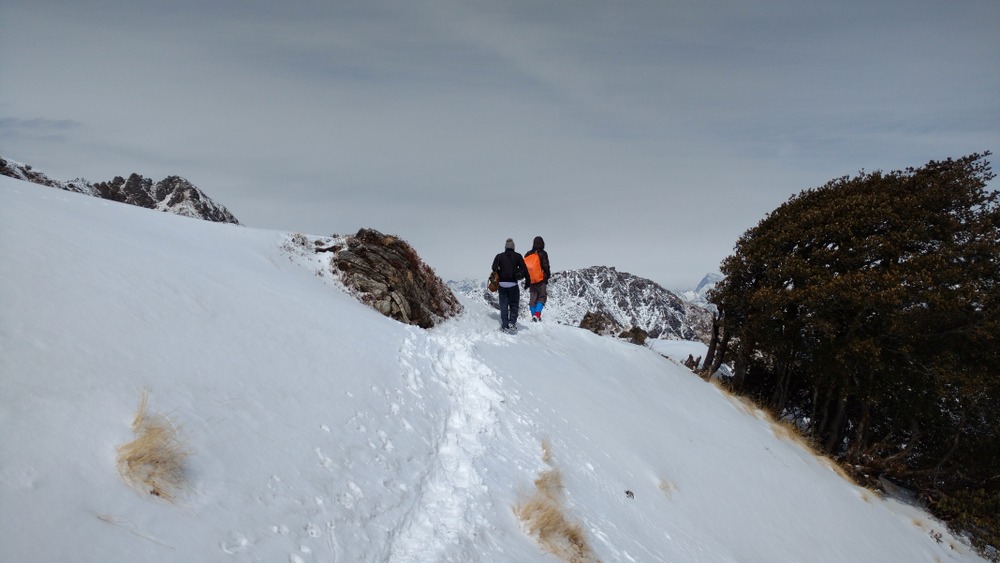
I’ve always believed that some places are best experienced in silence, and Kuari Pass in winter is one of them. When snow takes over the trail, the chatter fades, footsteps slow down, and the mountains finally get the attention they deserve. This guide is not romantic fluff or exaggerated adventure talk. It’s a clear, first-hand style breakdown of what the Kuari Pass Trek in winter actually feels like, what you should expect, and how to prepare—without wasting your time.
Why Kuari Pass in Winter Is Worth It
Winter changes everything on this trek. The same trail that feels green and busy in other seasons turns quiet and raw. Snow covers the forests, campsites disappear under white blankets, and the views open up like nowhere else. I found winter to be the best time because the mountains look closer and sharper. Nanda Devi doesn’t hide behind clouds, and peaks like Dronagiri, Kamet, and Chaukhamba dominate the horizon.
Another reason winter works so well here is the terrain. Kuari Pass doesn’t involve risky ridgelines or technical climbs. Even with snow, the trail remains manageable with proper guidance and equipment. That balance—serious winter conditions without extreme danger—is what makes this trek special.
Where Kuari Pass Is and How the Route Feels
Kuari Pass sits in Uttarakhand’s Chamoli district, starting near Joshimath. The trek usually begins from Dhak village. From there, the trail moves steadily through forests, small clearings, and high meadows before reaching the pass at around 12,500 feet.
What stood out to me was the rhythm of the route. It’s not rushed. The ascent feels gradual, giving your body time to adjust even in cold conditions. Forest sections are long and protective, especially in winter when the trees block strong winds. Once you cross the treeline, the landscape opens up completely, and that final approach to the pass feels rewarding without being overwhelming.
Best Time for Kuari Pass Winter Trek
For winter conditions, the ideal window is from late December to early March. January and February offer the best snow experience. If you’re specifically going for snow trekking—walking on snow, camping in snow, and seeing frozen landscapes—mid-winter is perfect.
Early winter might have patchy snow, and by March, the snow starts softening. I’d personally choose January if conditions are stable. It’s colder, yes, but the experience feels authentic and raw.
Weather and Temperature Reality Check
Let me be direct—this trek gets cold. Day temperatures usually hover between 5°C to 10°C when the sun is out. Nights can drop to -8°C or lower, especially at camps like Tali or near the pass.
The cold isn’t constant misery if you’re prepared. Clear skies during the day feel surprisingly pleasant. Nights demand discipline—layering properly, eating well, and staying hydrated. Snowfall isn’t usually continuous, but fresh snow can come unexpectedly, which is why winter guidance matters.
Difficulty Level: Who Should Do This Trek
Kuari Pass in winter is best described as moderate. You don’t need technical mountaineering skills, but you do need decent fitness and mental readiness. Walking on snow uses more energy than dirt trails. Balance, patience, and steady pacing matter more than speed.
I wouldn’t recommend this as your first-ever trek if you’ve never walked in snow. But if you’ve done at least one Himalayan trek or are physically active and train properly, it’s absolutely achievable.
Physical Preparation That Actually Helps
Forget complicated training plans. Focus on three things:
-
Cardio: Brisk walking, jogging, cycling—anything that builds stamina
-
Leg strength: Squats, lunges, stair climbing
-
Consistency: 30–45 minutes a day for at least 4–6 weeks
What helped me most was long walks with a backpack. It prepares both body and mind for sustained effort.
Essential Gear for Winter Kuari Pass
Gear can make or break this trek. Snow trekking isn’t forgiving if you cut corners.
Must-haves include:
-
Proper waterproof trekking shoes with good grip
-
Microspikes or crampons (usually provided by organizers)
-
Trekking poles for balance
-
Insulated jacket (down or synthetic)
-
Thermal base layers
-
Waterproof outer layer
Cheap gloves, poor shoes, or skipping layers will cost you comfort and safety. Winter doesn’t allow shortcuts.
Food and Stay on the Trail
Accommodation is usually in tents or basic guesthouses at lower villages. In winter, campsites are often set up on snow. Sleeping bags rated for sub-zero temperatures are essential.
Food is simple, warm, and filling. Expect Indian meals like dal, rice, sabzi, chapati, along with soups and hot drinks. In cold conditions, calories matter more than variety, and I never felt underfed.
Safety and the Importance of Guided Treks
Winter trekking isn’t the season for solo experiments. Snow changes trail visibility, weather shifts quickly, and knowing when to turn back matters.
I chose to go with an experienced local trekking organization, not because I couldn’t manage alone, but because local knowledge saves energy and reduces risk. Teams like The Searching Souls, who regularly operate in this region, understand winter routes, campsite conditions, and weather behavior without making the trek feel commercial or rushed. The guidance felt natural, not forced, and allowed me to focus on the experience rather than logistics you can checkout their Kuari Pass trek package for more information.
This isn’t about promotion—it’s about practicality. Winter in the Himalayas rewards preparation and local expertise.
What I Loved Most About Kuari Pass in Winter
The silence. No exaggeration. Snow absorbs sound, and the forests feel almost sacred. Morning light hitting frozen trees, steaming cups of tea in sub-zero temperatures, and that moment at the pass when the entire mountain range opens up—it stays with you.
Winter also brings clarity. Fewer people, fewer distractions, and a deeper connection with the landscape. You walk slower, think clearer, and appreciate simple things more.
Common Mistakes to Avoid
-
Underestimating cold nights
-
Carrying poor-quality shoes
-
Skipping fitness preparation
-
Ignoring hydration because it’s cold
-
Treating winter trekking like a casual hike
Respect the season, and the trek gives back generously.
Final Thoughts
Kuari Pass in winter isn’t about ticking off a destination. It’s about experiencing the Himalayas at their most honest. Cold, quiet, demanding—but incredibly rewarding. If you prepare well, choose the right window, and walk with patience, this trek delivers one of the finest winter trekking experiences in India.
It’s not dramatic. It’s real. And that’s exactly why it stays with you long after you’re back home.


Easy tips and tricks to clean your sofa at home
The sofa is the center of your living space. Your sofa is a place where you can relax, ent…
Entertainment Online with Positive Play
G28 proudly stands as a leading and reputable digital entertainment platform that represents quality, …