Non-Alcoholic Wines: Redefining Taste and Modern Drinking Culture
Non-Alcoholic Wines

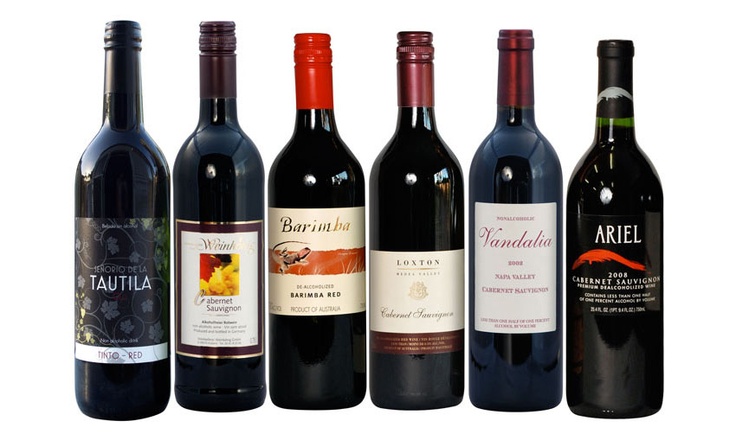
The way people think about wine is evolving. As health awareness, mindful living, and conscious consumption become part of everyday life, non-alcoholic wines have moved from being a niche option to a respected and desirable choice. Today, these wines are no longer seen as substitutes, but as thoughtfully crafted beverages that stand confidently on their own. With improved production methods and refined flavour profiles, non-alcoholic wines now appeal to both seasoned wine lovers and those seeking balance without compromise.
Understanding Non-Alcoholic Wines
Non-alcoholic wines are produced using the same traditional winemaking process as conventional wines. Grapes are harvested, fermented, and matured to develop depth, aroma, and character. This process ensures that the beverage maintains the essence of wine rather than becoming a simple grape-based drink.
What sets modern non-alcoholic wines apart is precision. Advanced techniques allow winemakers to retain acidity, mouthfeel, and aromatic layers, resulting in a more authentic and enjoyable experience. This attention to detail has transformed the category into a premium segment within the global beverage industry.
Why Non-Alcoholic Wines Are Growing in Popularity
The rise of non-alcoholic wines reflects a broader cultural shift. People are becoming more intentional about what they consume, how it affects their health, and how it fits into their lifestyle. Choosing alcohol-free wine allows individuals to enjoy social rituals without concerns about next-day fatigue, impaired focus, or disrupted sleep.
In addition, inclusivity plays a major role. Non-alcoholic wines allow everyone to participate in celebrations, dinners, and professional events without feeling excluded. This social acceptance has helped normalize alcohol-free choices, making them a natural part of modern hospitality and dining culture.
The Craftsmanship Behind High-Quality Non-Alcoholic Wines
Producing premium non-alcoholic wines requires a deep understanding of winemaking science and sensory balance. Alcohol plays a significant role in flavour delivery, so removing it without affecting taste is a technical challenge. Leading producers use methods such as vacuum distillation and membrane filtration to gently separate alcohol while preserving aroma compounds.
Different Styles of Non-Alcoholic Wines
One of the strengths of non-alcoholic wines is their diversity. Consumers can choose from a wide range of styles that suit different tastes and occasions.
Non-Alcoholic Red Wines
These wines focus on richness and body, offering dark fruit notes, subtle tannins, and a warming mouthfeel that pairs well with savoury dishes.
Non-Alcoholic White Wines
Crisp and refreshing, white varieties emphasize acidity and aroma, making them ideal for lighter meals or relaxed social settings.
Non-Alcoholic Sparkling Wines
Sparkling options are especially popular, delivering elegance and celebratory appeal with vibrant bubbles and fresh flavours.
Non-Alcoholic Rosé Wines
Rosé styles provide balance and versatility, combining fruit-forward notes with a clean, refreshing finish.
Health and Lifestyle Advantages
One of the most compelling reasons people choose non-alcoholic wines is their alignment with healthier living. Without alcohol, these wines typically contain fewer calories and eliminate the negative effects associated with alcohol consumption. This makes them suitable for individuals focused on fitness, mental clarity, or long-term well-being.
Beyond physical health, non-alcoholic wines support emotional and mental balance. They allow people to enjoy relaxation and social connection without compromising productivity or personal goals. This balance is particularly appealing to professionals and wellness-conscious consumers.
Non-Alcoholic Wines in Social and Professional Settings
Social traditions often revolve around shared drinks, and non-alcoholic wines ensure that these moments remain inclusive. From family celebrations to corporate dinners, alcohol-free wine options allow hosts to cater to diverse preferences with sophistication.
In professional environments, offering non-alcoholic wines reflects awareness and respect for modern lifestyles. Many companies and event organizers now view alcohol-free options as essential rather than optional, enhancing their brand image and guest experience.
Food Pairing with Non-Alcoholic Wines
Pairing non-alcoholic wines with food is an art that mirrors traditional wine pairing principles. White varieties complement seafood, salads, and light vegetarian dishes, while reds pair well with roasted vegetables, grains, and rich sauces.
Sparkling non-alcoholic wines are particularly versatile, working well with appetisers, desserts, and festive meals.
Non-Alcoholic Wines and the Wellness Movement
Wellness today goes beyond diet and exercise—it encompasses mindfulness, balance, and intentional choices. Non-alcoholic wines fit seamlessly into this philosophy, offering enjoyment without excess. They allow individuals to stay present, engaged, and aligned with their values.
Many wellness retreats, luxury hotels, and health-focused venues now include non-alcoholic wines as part of their curated experiences. This reflects a broader shift toward conscious luxury, where quality and well-being go hand in hand.
Overcoming Common Misconceptions
Despite their growth, non-alcoholic wines still face outdated perceptions. Some people assume they lack flavour or complexity, often based on early experiences with lower-quality products. However, innovation and craftsmanship have dramatically changed the landscape.
As more consumers explore premium options, these misconceptions are fading. Education, tastings, and transparent production practices play a key role in helping people understand the value and potential of non-alcoholic wines.
The Future of Non-Alcoholic Wines
The future of non-alcoholic wines is defined by innovation and demand. Producers continue to refine techniques, expand flavour profiles, and experiment with new grape varieties. At the same time, consumer interest shows no sign of slowing down.
As alcohol-free living becomes more mainstream, non-alcoholic wines are expected to secure a permanent place in both retail and hospitality markets. They represent not a passing trend, but a meaningful shift in how people approach enjoyment and celebration.
Choosing the Right Non-Alcoholic Wine
Selecting a high-quality non-alcoholic wine involves exploring different styles and trusted producers. Specialty retailers and dedicated alcohol-free shops provide valuable guidance, helping consumers discover wines that match their taste and occasion.
Understanding flavour notes, food pairings, and production methods can greatly enhance the experience. With curiosity and experimentation, alcohol-free wine drinking becomes both enjoyable and rewarding.
Conclusion
Non-alcoholic wines have transformed the drinking experience by combining craftsmanship, inclusivity, and wellness. They offer a refined alternative that respects tradition while embracing modern values. Whether enjoyed at home, served at celebrations, or featured in fine dining, these wines prove that sophistication does not require alcohol.


Easy tips and tricks to clean your sofa at home
The sofa is the center of your living space. Your sofa is a place where you can relax, ent…
Entertainment Online with Positive Play
G28 proudly stands as a leading and reputable digital entertainment platform that represents quality, …