Photovoltaic Glass Advancements Driving Sustainable Building Innovations

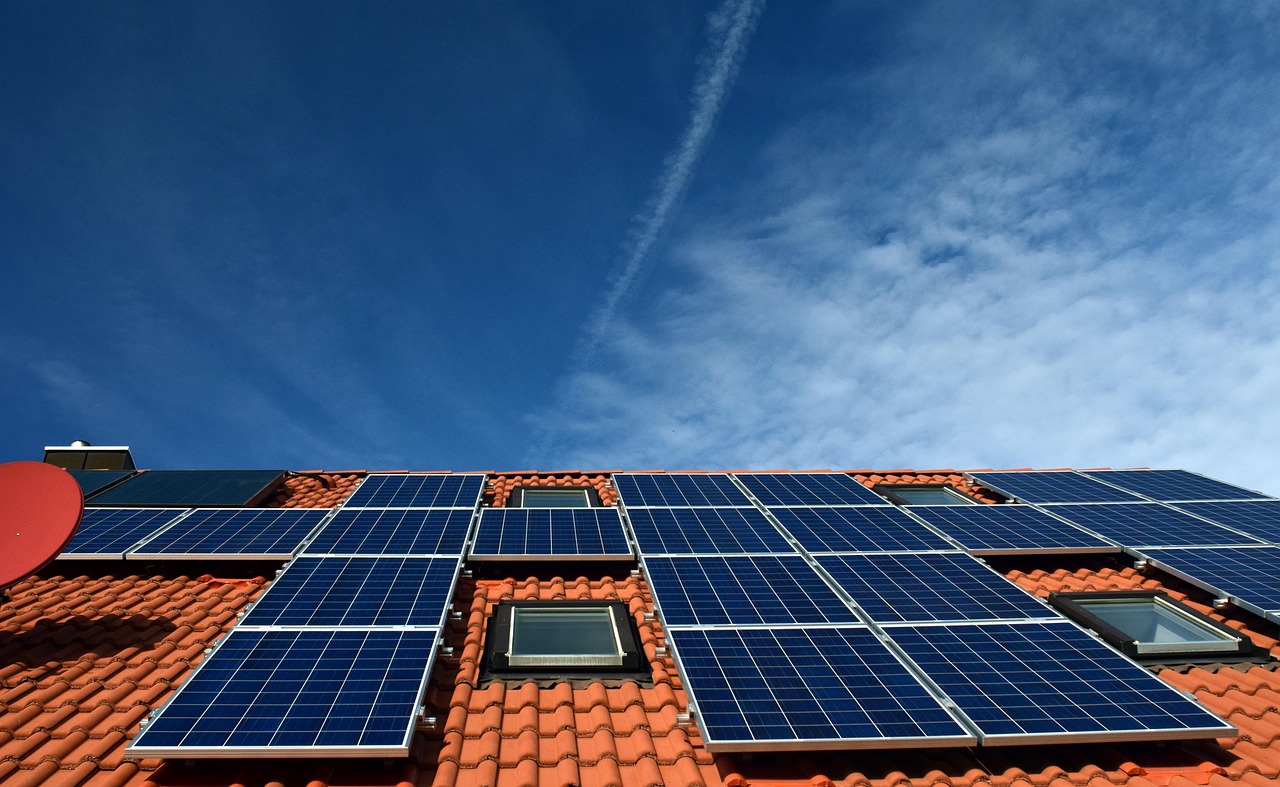
Photovoltaic glass is an innovative building material that combines traditional glass with solar technology to generate electricity directly from sunlight. It integrates thin solar cells into glass panels, allowing windows, facades, and skylights to produce clean energy without compromising design or natural light. This technology offers a practical way to increase energy efficiency in buildings while supporting sustainable energy goals.
Unlike conventional solar panels, photovoltaic glass can be transparent or semi-transparent, adapting to various architectural uses. It replaces standard building materials and generates power where traditional panels might be impractical, making it a growing solution in urban and commercial environments.
Understanding Photovoltaic Glass
Photovoltaic glass combines solar energy technology with traditional glass, enabling electricity generation while maintaining transparency or partial translucency. It is used primarily in buildings to harness solar power without altering architectural design. The working principles, available types, and materials involved reveal its functionality and versatility.
How Photovoltaic Glass Works
Photovoltaic glasses convert sunlight into electricity by embedding photovoltaic cells within the glass structure. These cells operate on the photovoltaic effect, where semiconductor materials such as silicon absorb sunlight and generate an electric current. The glass acts as a protective layer while allowing light to pass through, preserving transparency.
Electricity generated is extracted through integrated wiring, often sealed between two glass panes for protection. Performance depends on factors such as sunlight intensity, angle of incidence, and glass transparency. Photovoltaic glass commonly integrates into facades, roofs, and windows, making buildings partial power producers without adding bulky panels.
Types of Photovoltaic Glass
There are several types of photovoltaic glass, distinguished by transparency and cell arrangement:
- Transparent photovoltaic glass: Allows clear visibility, suitable for windows and glass walls.
- Semi-transparent photovoltaic glass: Balances light transmission and power generation.
- Colored photovoltaic glass: Incorporates tinted layers to enhance aesthetics or reduce glare.
Each type varies based on application needs, balancing energy efficiency with design considerations. Transparent and semi-transparent options are common in architecture, while colored variants may be used where design is a priority.
Key Materials and Manufacturing Process
Photovoltaic glass primarily consists of low-iron glass, semiconductor solar cells, encapsulating resin, and metal wiring. Low-iron glass enhances light transmission and reduces absorption loss, increasing efficiency. The solar cells, typically crystalline silicon or thin-film types, are sandwiched between two glass layers.
The manufacturing process involves laminating these components with resin to protect cells and ensure durability against weather. Special coatings may be applied to improve light absorption or reduce reflection. Precision in sealing and alignment is crucial to maintain longevity and electrical performance, preventing moisture ingress or physical damage.
Applications and Benefits of Photovoltaic Glass
Photovoltaic glass serves both as an architectural component and a source of renewable energy. Its utility extends beyond simple electricity generation, enhancing building design, improving energy use, and driving market demand.
Building-Integrated Photovoltaics
Photovoltaic glass is incorporated directly into building elements such as windows, facades, roofs, and skylights. This integration enables these surfaces to generate electricity without interrupting natural light or aesthetic appeal. Buildings become active energy producers rather than just consumers.
The technology supports various glass types including transparent and semi-transparent options, making it adaptable to different architectural styles. High solar cell density and optimized glass dimensions can increase electricity output. This adaptability suits residential, commercial, and industrial structures, contributing to smart and sustainable urban development.
Energy Efficiency and Sustainability
Photovoltaic glass improves energy efficiency by reducing reliance on external electricity sources. It harnesses sunlight to produce clean energy on-site, lowering electricity costs and carbon emissions. By integrating energy-generation capabilities into building materials, it decreases the need for additional solar panels and minimizes land use.
Its dual function as both a construction material and power source optimizes resource efficiency. This results in reduced environmental impact and supports green building certifications. The use of ultra-thin, low-iron, or surface-coated glass variants can further enhance solar conversion efficiency while maintaining transparency.
Market Trends and Development
Demand for photovoltaic glass has grown significantly, driven by increasing global emphasis on renewable energy and sustainable architecture. Innovations focus on improving conversion rates, reducing costs, and expanding aesthetic options such as colors and transparency levels.
Market growth is supported by advancements in manufacturing techniques and materials science, including the development of multifunctional and ultra-thin glass products. Urban centers and commercial developments frequently adopt photovoltaic glass to meet energy standards and enhance property value. This trend is expected to expand as building energy regulations tighten worldwide.


Easy tips and tricks to clean your sofa at home
The sofa is the center of your living space. Your sofa is a place where you can relax, ent…
Entertainment Online with Positive Play
G28 proudly stands as a leading and reputable digital entertainment platform that represents quality, …