Solar Powered Glass Innovations Transforming Sustainable Architecture

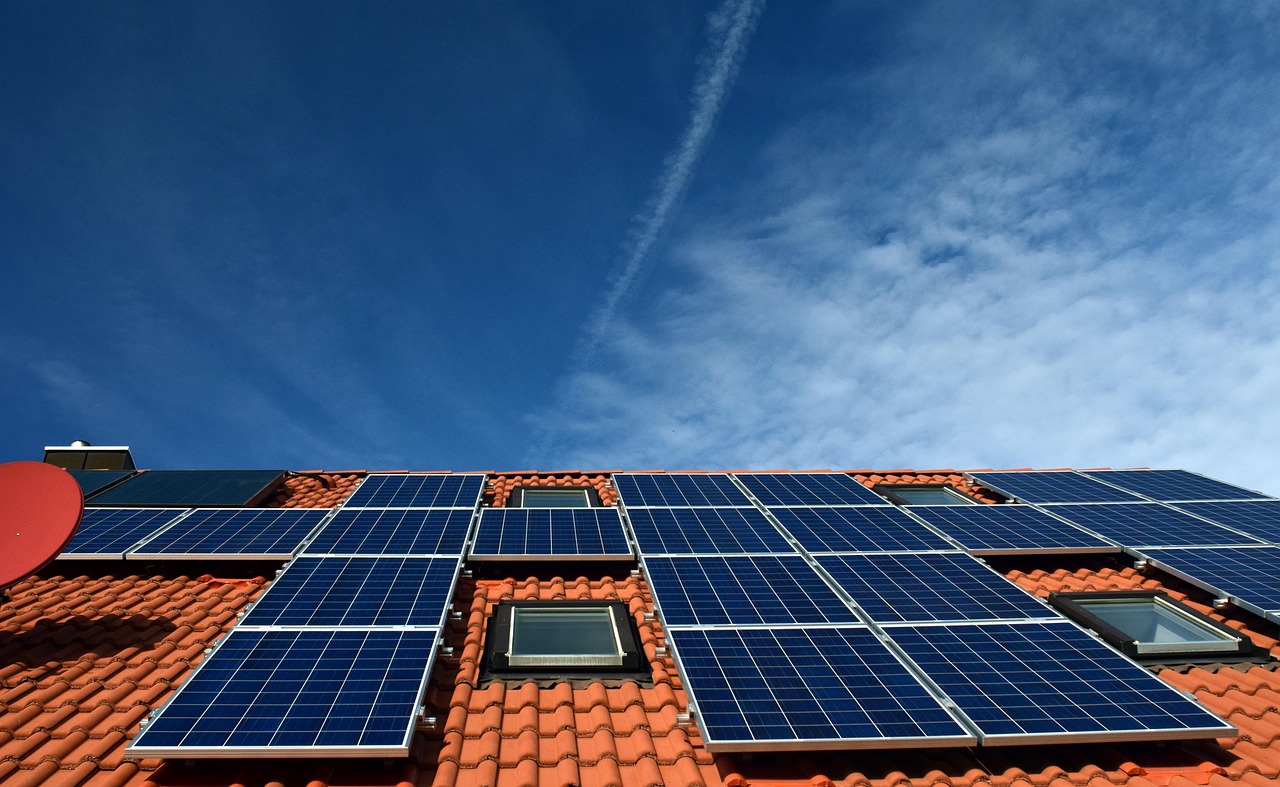
Solar powered glass is a technology that integrates photovoltaic cells directly into glass surfaces, allowing windows to generate electricity while maintaining transparency. This innovation offers a way to transform building façades and windows into active power sources without sacrificing natural light or design. It can be applied to a variety of structures, from homes to skyscrapers, making it a versatile option for sustainable energy generation.
By turning ordinary glass into a functional energy system, solar glass reduces the space limitations of traditional rooftop solar panels. It provides continuous electricity from sunlight, including diffused and ambient light, which enhances energy production throughout the day. This makes solar powered glass a promising development in the pursuit of energy-efficient buildings and greener urban environments.
How Solar Powered Glass Works
Solar powered glass combines advanced materials and engineering to convert sunlight into electricity while maintaining transparency and structural integrity. It integrates photovoltaic elements directly within the glass, allowing buildings to generate power without altering their appearance or function.
Photovoltaic Technology Integration
Solar powered glass incorporates photovoltaic (PV) cells seamlessly into its structure. These cells are typically made from silicon or thin-film materials. Unlike traditional solar panels, the cells are embedded within or coated onto the glass surface, enabling it to function both as a window or facade and as an energy generator.
The integration involves transparent or semi-transparent PV layers, which maintain light transmission while capturing sunlight. This dual function ensures that natural lighting is preserved indoors. The technology requires precise layering to optimize sunlight absorption while remaining durable and weather-resistant.
Types of Solar Glass Technologies
There are several types of solar glass technologies tailored to different applications:
- Transparent Photovoltaic Glass: Allows significant light to pass, suitable for windows and skylights.
- Semi-transparent Solar Glass: Balances light transmission with higher energy output, often used in facades.
- Opaque Solar Glass Panels: Primarily designed for rooftops and walls where transparency is not required.
Each type uses different materials and cell arrangements to meet architectural and energy needs. The choice depends on factors like desired visibility, energy performance, and installation environment.
Energy Generation Process
When sunlight strikes the solar glass, photovoltaic cells absorb photons, exciting electrons and creating an electric current. This photovoltaic effect transforms solar energy into direct current (DC) electricity.
The generated electricity is then routed through wiring integrated within the glass frame or structure. It can power electrical devices directly or be converted via inverters to alternating current (AC) for grid use. The process is continuous during daylight, with efficiency influenced by cell type, glass transparency, and sunlight intensity.
Applications and Benefits of Solar Powered Glass
Solar powered glass combines energy generation with transparency, enabling versatile use in various environments while improving energy performance. It offers architectural flexibility, boosts building energy efficiency, and positively contributes to environmental sustainability.
Architectural Uses in Buildings
Solar powered glass is designed to integrate photovoltaic cells within transparent or semi-transparent glass. This allows it to function as windows, facades, skylights, and roofs without compromising aesthetic appeal. Architects and designers utilize it especially in commercial and residential buildings where maintaining natural light and visual clarity is critical.
Buildings fitted with solar glass can generate electricity on-site, reducing reliance on external power sources. The technology supports new constructions and retrofits, blending seamlessly into existing architecture. Beyond energy, solar glass can enhance building value by providing an innovative, modern appearance coupled with functional energy generation.
Energy Efficiency Advantages
The integration of solar cells into glass surfaces allows buildings to harness sunlight while maintaining transparency. This dual functionality helps reduce electrical consumption by supplying part of the building’s power needs directly through windows or skylights.
Solar powered glass can contribute to lowering heating and cooling demands. By selecting advanced coatings and materials, it minimizes heat loss and solar heat gain depending on climate needs. Enhanced durability and lower maintenance compared to traditional solar panels increase system longevity and overall efficiency.
Sustainability Impact
Solar powered glass reduces carbon footprints by turning surfaces into active solar energy generators. Its ability to replace traditional opaque solar panels with transparent versions encourages wider adoption without aesthetic compromise.
Manufactured using emerging materials like low-iron, ultra-thin glass, the technology supports resource efficiency. Although costs currently limit widespread use, ongoing improvements aim to enhance affordability and availability. This contributes to long-term reductions in greenhouse gas emissions tied to building operations.


Easy tips and tricks to clean your sofa at home
The sofa is the center of your living space. Your sofa is a place where you can relax, ent…
Entertainment Online with Positive Play
G28 proudly stands as a leading and reputable digital entertainment platform that represents quality, …