The Future on Your Head: 5 Defining Wholesale Headwear Trends for 2026

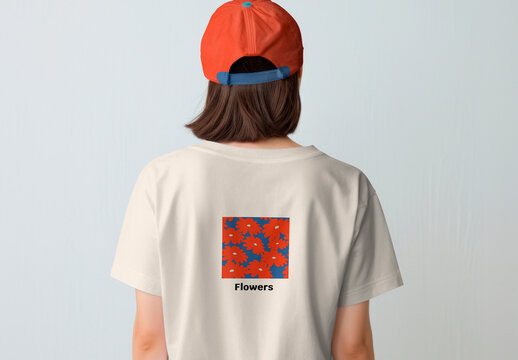
The wholesale headwear industry is undergoing a profound transformation. Buyers and retailers can no longer view caps and hats as simple accessories. Today, they represent a convergence of technology, sustainability, and personal expression. The market is moving beyond basic logos and familiar fabrics. Consumers now demand more from what they wear on their heads. They seek products that align with their values. They want items that offer tangible benefits. They desire unique pieces that tell a story. For wholesalers and retailers, understanding these shifts is critical for inventory success. This article explores the five key trends that will define headwear wholesale in 2026. These trends will help you stock products that resonate with modern consumers. They will future-proof your catalog and drive meaningful sales.
Tech-Infused Fabrics and Smart Performance
The era of passive headwear is ending. Advanced materials are revolutionizing product functionality. Performance is no longer just about moisture-wicking. It is about interactive benefits that enhance daily life. Wholesale buyers should prioritize suppliers using these innovative textiles. These fabrics cater to health-conscious and active consumers. They add a compelling selling point beyond aesthetics.
Phase-change materials (PCMs) are a leading innovation. These microcapsules within fabrics absorb, store, and release heat. A hat with PCMs can provide cooling in summer heat. It can also offer warmth in cooler weather. This creates a self-regulating thermal comfort system. It is perfect for outdoor workers, event staff, or sports teams. UV-protective fabrics are also advancing. Look for materials with a high Ultraviolet Protection Factor (UPF) rating of 50+. These provide superior sun protection. They are essential for gardening groups, construction crews, and beach tourism businesses.
Furthermore, anti-odor and antimicrobial treatments are becoming standard. Technologies using silver ions or natural probiotics inhibit bacteria growth. This maintains freshness through long wear or intense activity. It is a key feature for gyms, hospitality uniforms, and travel accessories. Enhanced breathability and water-repellency are also crucial. New fabric weaves and coatings offer superior comfort. They manage sweat and repel light rain without sacrificing airflow. These features meet the demand for versatile, all-weather gear.
Sustainability Shifts from Buzzword to Baseline
Environmental responsibility is now a core purchase driver. Consumers scrutinize supply chains and material origins. For wholesalers, offering sustainable options is non-negotiable. It builds brand trust and meets buyer mandates. The focus in 2026 will be on genuine, circular practices. It moves beyond superficial green claims.
Recycled materials are dominating the conversation. Post-consumer recycled (PCR) polyester, made from plastic bottles, is widespread. The new frontier includes recycled cotton and regenerated fibers like ECONYL® (from nylon waste). These materials reduce landfill waste and resource extraction. Wholesale lines featuring hats made from these closed-loop materials will attract eco-conscious brands. Organic and regenerative natural fibers are also gaining traction. Organic cotton, grown without toxic pesticides, remains popular. Regenerative wool and hemp go a step further. They improve soil health and sequester carbon. These materials tell a powerful story of environmental restoration.
Biodegradable and plant-based materials represent the cutting edge. Innovations include hats made from mycelium (mushroom leather), pineapple leaf fibers (Piñatex), or biodegradable plastics. These products offer an end-of-life solution. They decompose naturally, unlike traditional synthetics. Low-impact production processes are equally important. This includes using waterless dyeing techniques, solar-powered manufacturing, and minimal packaging. Wholesalers should partner with factories that transparently document these practices. This provides a verifiable selling point for your clients.
Hyper-Personalization and On-Demand Customization
Mass production is giving way to mass personalization. Consumers and businesses seek unique products that reflect specific identities. The demand for generic stock designs is falling. Wholesale must adapt by offering flexible, scalable customization. This trend empowers businesses to create deeper connections with their audience.
Digital printing technology is a major enabler. Unlike traditional embroidery or screen printing, digital print allows for full-color, photorealistic, and complex designs without setup costs. It enables low minimum orders. A client can order 50 hats, each with a different individual name or image. This is ideal for small teams, niche events, or personalized corporate gifts. Advanced embroidery is also evolving. New machines offer more detail, a wider color range, and the ability to stitch on virtually any material, including stretchy beanies. 3D puff embroidery continues to be popular for a premium, textured look.
The direct-to-garment (DTG) printing method is becoming faster and more durable. It allows for highly detailed, small-batch wholesale custom hats runs. Furthermore, online configurator tools are revolutionizing the buyer experience. B2B clients can now upload logos, choose colors, select materials, and see a live preview. They can receive instant quotes. This seamless tech integration streamlines the wholesale process. It makes customization accessible and efficient for businesses of all sizes.
The Rise of Niche Aesthetics and Subculture Styles
Fashion is fragmenting into highly defined niches. Headwear styles are deeply tied to specific subcultures and aesthetics. Wholesalers must look beyond traditional sports and trucker caps. They must curate collections that speak to these diverse communities. This requires attentiveness to evolving cultural conversations.
The “Gorpcore” and outdoor utility trend continues to influence design. This style celebrates technical outdoor gear as everyday fashion. Think bucket hats, nylon caps, and fleece beanies with adjustable straps, utility loops, and robust, water-resistant fabrics. Colors are often earthy and muted. This trend appeals to those valuing function and an adventurous aesthetic. Heritage and workwear-inspired headwear remains strong. Durable cotton twill caps, classic baker boy hats, and wool felt styles convey authenticity and craftsmanship. They connect with audiences valuing tradition and quality.
Conversely, Y2K and retro-futurism are driving vibrant, playful styles. Look for fuzzy bucket hats, velour caps, shiny materials, and asymmetrical designs. These bold pieces cater to a younger demographic embracing early-2000s nostalgia. Additionally, minimalist and luxury-focused styles are always in demand. Clean lines, premium materials like merino wool or brushed cotton, and subtle, tonal branding offer understated sophistication. They serve the corporate and high-fashion markets seeking elegance.
Adaptive and Inclusive Design for All
Inclusivity is a major market force. It extends beyond marketing to fundamental product design. A significant portion of the population has been overlooked by standard headwear sizing and construction. Creating adaptive designs is not just ethical. It also taps into a substantial and loyal customer base. It includes individuals with disabilities, medical conditions, or unique physical needs.
Adjustability is the first crucial step. Moving beyond a simple plastic snapback, innovative closures are key. Magnetic closures, Velcro® straps, and adjustable hook-and-loop systems are easier to manipulate for those with limited dexterity or arthritis. They offer a secure and comfortable fit for various head shapes and hairstyles, like thick braids or dreadlocks. Sensory-friendly designs are another critical area. This involves removing irritating internal tags. It means using soft, seamless inner bands. It requires offering options without stiff, protruding seams. Fabrics must be non-scratchy and gentle on sensitive skin.
Specialized designs for medical hair loss represent a profound niche. Soft, non-irritating beanies and caps made from bamboo or modal are in demand. They are for individuals undergoing chemotherapy. Styles with disguised ventilation or built-in wig attachment points offer dignity and comfort. Universal fit designs that comfortably accommodate larger or smaller-than-average head circumstances are also essential. This simple consideration makes products accessible to a much wider audience. It demonstrates thoughtful, human-centered design.
Conclusion: Preparing Your Wholesale Strategy for 2026
The Wholesale T-Shirts market in 2026 will reward foresight and flexibility. The trends are clear. They point toward intelligent materials, genuine sustainability, deep personalization, niche cultural relevance, and universal design. Success will not come from stocking the same products. It will come from curating a thoughtful inventory that answers these new demands.
For wholesalers, the path forward involves proactive partnership. Seek out factories investing in smart textiles and sustainable processes. Integrate advanced customization platforms into your service offering. Educate your sales team on the stories behind these innovations. Stock a diverse range that speaks to different aesthetics and needs. By doing so, you move beyond being a mere supplier. You become a strategic partner. You help your retail clients meet the future, one hat at a time. The businesses that adapt to these trends will not just survive; they will lead the market, building loyalty and driving growth in an exciting new era for headwear.


Easy tips and tricks to clean your sofa at home
The sofa is the center of your living space. Your sofa is a place where you can relax, ent…
Entertainment Online with Positive Play
G28 proudly stands as a leading and reputable digital entertainment platform that represents quality, …