The Ultimate Guide to Barcode Printer: Everything You Need to Know
barcode printer

The Ultimate Guide to Barcode Printer: Everything You Need to Know
Barcode printers have become essential tools for businesses, helping streamline inventory management, sales processes, and product tracking. Whether you run a retail store, warehouse, or logistics company, a barcode printer can make your operations more efficient. In this guide, we will dive deep into the world of barcode printers, exploring what they are, how they work, and how to choose the best one for your needs.
What is a Barcode Printer?
A barcode printer is a device specifically designed to print barcodes on labels, tickets, tags, and other materials. These barcodes contain vital information about products, such as pricing, descriptions, and inventory data. Barcode printers use either thermal printing or inkjet printing technologies to print these codes, each with its own set of advantages and applications.
Why Are Barcode Printers Important?
Barcode printers are critical to modern business operations. Here’s why they matter:
1. Improved Efficiency
By printing barcodes for every product, you can quickly scan and update inventory levels in real time. This reduces the time spent manually entering product data, which in turn saves your team valuable time and effort.
2. Error Reduction
Manual data entry can lead to mistakes, but barcodes eliminate the risk of human error. Scanning a barcode ensures that the correct information is retrieved instantly, making transactions smoother and more accurate.
3. Better Inventory Management
Barcode printers help businesses keep track of inventory more effectively. They make it easy to update stock levels, locate items, and perform stock audits. This is particularly important in environments where inventory turnover is high, such as retail and warehousing.
Types of Barcode Printer
Barcode printers come in various types, each suited to different needs. Let’s explore the main types available:
1. Direct Thermal Printers
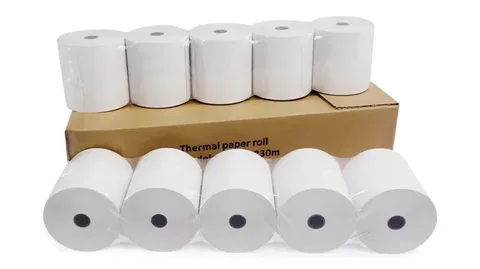
Direct thermal printers use heat-sensitive paper to print barcodes. When heat is applied, the paper darkens, creating a barcode image. This type of printer is ideal for short-term labeling, as the printed barcode can fade over time if exposed to heat or sunlight.
Pros:
- Simple and low maintenance
- No ink, toner, or ribbons needed
- Fast printing speed
Cons:
- The printouts are not durable
- Limited to paper labels
2. Thermal Transfer Printer
Thermal transfer printers use a heated ribbon to transfer ink onto the label material. These printers are ideal for creating long-lasting barcodes, as the ink is more durable and resistant to smudging, making it suitable for harsh environments.
Pros:
- Prints more durable barcodes
- Suitable for a wide range of label materials
- Ideal for long-term use
Cons:
- Requires ribbon replacement
- Slower printing speed compared to direct thermal printers
3. Inkjet Printers
Inkjet barcode printers use ink to print barcodes onto labels. They are versatile and can print in full color, making them suitable for businesses that need to print both barcodes and graphics.
Pros:
- High-quality, full-color prints
- Great for printing images along with barcodes
Cons:
- Requires regular ink refills
- Slower than thermal printers
4. Laser Printers
Laser barcode printers use laser technology to print barcodes onto labels. They are typically used for high-volume printing and can offer high-quality outputs.
Pros:
- High-speed printing
- Produces clear and sharp barcodes
Cons:
- More expensive
- Requires specialized labels
Related more articles, thermal paper rolls
How Barcode Printer Work
Barcode printers use one of the aforementioned printing technologies to print barcodes on labels. The process usually involves these steps:
- Creating a Design: The barcode printer software generates the barcode design based on the data entered.
- Printing: The printer uses thermal, inkjet, or laser technology to transfer the design onto the label material.
- Applying the Barcode: The printed label can then be applied to the product or packaging.
- Scanning: A barcode scanner reads the barcode, retrieving the information encoded within.
How to Choose the Right Barcode Printer for Your Business
Selecting the right barcode printer depends on several factors. Here’s what you should consider before making a decision:
1. Print Volume
If you need to print large quantities of labels regularly, a thermal transfer or laser printer may be the best option. These printers are designed to handle high-volume printing and can operate continuously without interruptions.
2. Durability
Consider the environment where your barcodes will be used. If the labels need to withstand tough conditions, such as exposure to chemicals or outdoor elements, thermal transfer printers with durable labels will be more suitable.
3. Speed and Efficiency
If speed is critical for your business operations, look for a barcode printer with high print speeds. Direct thermal printers are known for their fast printing times, which can help when you need to process many items quickly.
4. Label Material Compatibility
Make sure the printer you choose is compatible with the types of labels you plan to use. For example, if you need waterproof labels, thermal transfer printers are ideal, as they work well with synthetic materials.
5. Cost
While thermal printers tend to be more affordable than inkjet and laser printers, their durability may vary. If you’re looking for a long-term solution, investing in a high-quality thermal transfer printer could save you money in the long run, as they require fewer consumables.
Why Your Business Needs a Barcode Printer
A barcode printer can significantly streamline your business operations, making inventory management and transactions faster, more accurate, and more efficient. Whether you’re running a small retail shop or managing a large warehouse, a barcode printer is an essential tool for success. With the right choice, you can ensure your products are properly tracked and that your business is ready to scale.
If you’re ready to take your operations to the next level, investing in the right barcode printer will help you achieve seamless and error-free workflows. Make sure to evaluate your business needs, print volume, and the durability of the labels before making your final decision.
Related more articles, visit by here


Easy tips and tricks to clean your sofa at home
The sofa is the center of your living space. Your sofa is a place where you can relax, ent…
Entertainment Online with Positive Play
G28 proudly stands as a leading and reputable digital entertainment platform that represents quality, …