Timing Your Garden Right: Why Early Seed Starts Matter More in Raised Beds

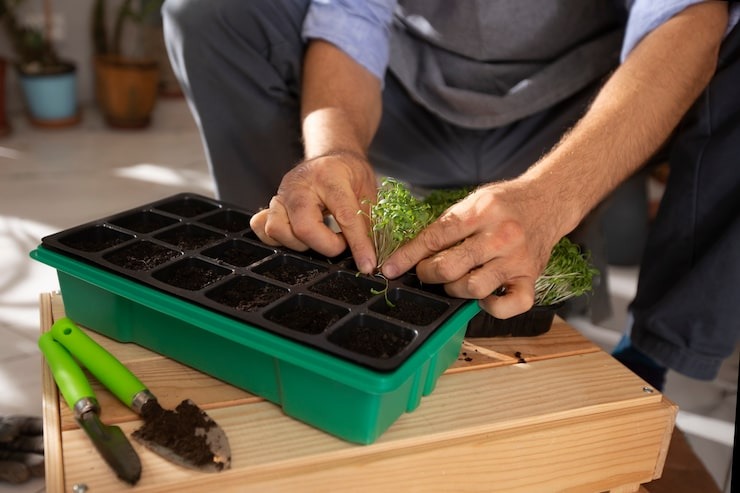
Timing shapes everything in the garden. Plant too early, and cold soil slows growth. Plant too late and crops lose weeks of potential. Gardeners in cooler climates feel this pressure every spring. Short seasons leave little room for mistakes.
Raised beds change that equation. They warm sooner, drain better, and let gardeners work the soil earlier than in-ground plots. When you pair early seed starting with raised beds, you stretch the growing season without guessing or rushing.
This approach rewards planning, not luck.
Why Raised Beds Warm Faster in Spring
Soil temperature controls when plants wake up. Seeds wait for warmth before they germinate. Roots slow down in cold soil even if air temperatures rise.
Raised beds warm faster because air flows around all sides. Sunlight heats the soil directly, and excess moisture drains away instead of cooling the ground. This matters most after snowmelt or heavy spring rain.
Metal raised garden beds amplify this effect. Metal absorbs and transfers heat efficiently. As days lengthen, the bed warms earlier than the surrounding ground. That slight temperature difference can mean planting weeks sooner.
Earlier warmth also means better root activity. Plants settle in faster and start growing instead of stalling.
The Limits of Direct Seeding in Cool Springs
Direct seeding works well in warm climates. In cooler regions, it creates delays.
Cold soil slows germination. Seeds sit longer underground, exposed to rot and pests. Even hardy crops struggle if temperatures swing between warm days and freezing nights.
Gardeners often wait for “safe” planting dates, but that shortens the season. Crops like tomatoes, peppers, and long-season greens lose valuable growing time.
This is where seed starting changes the outcome.
Why Starting Seeds Early Makes Such a Difference
Starting seeds indoors gives gardeners a measure of control. You decide when growth begins instead of waiting for the weather.
Seeds germinate in stable warmth, roots develop without stress, and seedlings build strength before facing outdoor conditions.
Using seed starting trays reusable supports this process year after year. Reusable trays maintain consistent spacing, evenly distribute moisture, and reduce waste from single-use plastics. They also make it easier to plan batches and timing.
By the time outdoor soil warms, plants already have a head start.
Matching Seed Starts With Bed Readiness
Early seed starting works best when the timing lines up with soil conditions. Raised beds reach workable temperatures sooner, but they still need time.
A simple approach helps:
- Start seeds indoors based on the crop’s growth rate
- Monitor soil temperature in raised beds, not just air temperature
- Transplant once soil stays consistently workable
This method avoids rushed planting. Seedlings go into beds that support steady growth instead of shock.
Because metal raised garden beds warm faster, this window opens earlier than in-ground plots. Gardeners gain days or even weeks without added risk.
Extending the Season Without Extra Stress
Early planting often sounds risky. Frost and cold snaps worry many gardeners. Raised beds reduce that stress.
Improved drainage keeps roots from sitting in cold, wet soil. Elevated structure allows faster recovery after cold nights. Covers or row protection work more effectively over raised beds than on flat ground.
Seedlings started indoors also adapt better. Strong roots handle temperature changes more easily than newly sprouted seeds. This combination lets gardeners plant earlier with confidence.
Cooler Climates Benefit the Most
Short growing seasons magnify small gains. A one-week head start can decide whether a crop matures fully or falls short.
Raised beds combined with early seed starting give gardeners in cooler regions more control. They reduce reliance on perfect weather and stretch the productive window.
This approach works for vegetables, herbs, and flowers—any plant with a more extended growth cycle benefits from earlier establishment.
Why Reusable Trays Improve Transplant Success
Not all seedlings transplant equally. Weak roots tangle or break during planting and uneven moisture can lead to leggy growth.
Seed starting trays that are reusable help create consistent conditions. Cells guide roots downward instead of outward. Moisture stays balanced. Seedlings come out intact and ready to establish.
Reusable trays also simplify planning. Gardeners can repeat the same schedule each season with fewer surprises.
Final Thoughts
Early seed starts matter more when paired with raised beds because timing compounds results. Warmer soil invites earlier planting. Prepared seedlings take advantage of it.
This strategy doesn’t rush the season. It uses it wisely. For gardeners facing cool springs and short summers, that difference shows up in healthier plants, longer harvests, and fewer setbacks.


Easy tips and tricks to clean your sofa at home
The sofa is the center of your living space. Your sofa is a place where you can relax, ent…
Entertainment Online with Positive Play
G28 proudly stands as a leading and reputable digital entertainment platform that represents quality, …