Transforming Cybersecurity Through Cloud-Enabled Digital Signatures

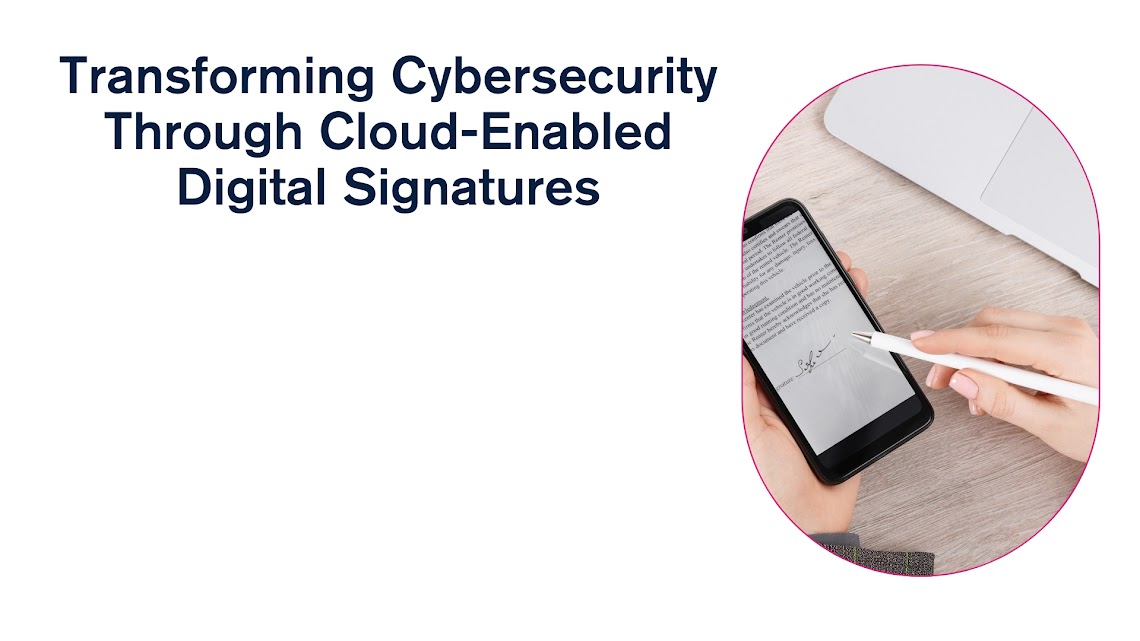
As digital interactions become the foundation of modern business and governance, protecting online transactions has become more critical than ever. From financial exchanges and government services to corporate agreements and personal communications, digital platforms now handle sensitive information daily. Ensuring the authenticity, integrity, and trustworthiness of these digital processes has led to the rapid adoption of digital signature online.
With the rise of cloud computing, digital signatures have evolved beyond traditional hardware-based systems. Cloud-ready digital signatures are redefining cybersecurity by offering stronger protection, greater flexibility, and seamless integration with digital workflows. This article explores how cloud-based digital signatures are reshaping online security, the technology behind them, and what the future holds.
Understanding Digital Signatures
A digital signature is a secure cryptographic tool used to verify the identity of a signer and confirm that a digital document has not been altered. Unlike handwritten signatures, digital signatures rely on public key infrastructure (PKI), which uses two keys—a private key and a public key.
The signer applies the private key to encrypt a unique digital fingerprint of the document. The recipient then uses the corresponding public key to verify the signature. If the document has been changed in any way, the verification fails. This process guarantees data integrity, authenticity, and non-repudiation, making digital signatures legally valid and highly secure.
Why Cloud-Based Digital Signatures Are Gaining Momentum
1. Anytime, Anywhere Access
Cloud-based digital signatures allow users to sign documents from any device with internet access—whether it’s a smartphone, tablet, or laptop. This flexibility supports remote work, cross-border collaboration, and faster business execution.
Traditional digital signature systems often rely on physical tokens or device-specific software, limiting usability outside fixed environments.
2. Reduced Costs and Infrastructure Burden
On-premise digital signature solutions require hardware, maintenance, and regular upgrades. Cloud-based platforms eliminate these expenses by offering subscription-based models, making them more affordable for businesses of all sizes.
Organizations can scale usage up or down without investing in additional infrastructure.
3. Seamless Scalability
Cloud digital signature platforms adapt effortlessly to changing business demands. Whether handling a few documents or thousands daily, these systems support growing workloads while maintaining consistent performance across industries like banking, healthcare, real estate, and government services.
4. Advanced Security Architecture
Cloud-enabled digital signatures are built on enterprise-grade security frameworks, including:
- End-to-end encryption using strong cryptographic standards
- Multi-factor authentication (MFA) to prevent unauthorized access
- Comprehensive audit logs capturing signer identity, timestamps, and actions
- Data redundancy and disaster recovery across multiple cloud locations
These measures ensure documents remain protected from tampering, data breaches, and accidental loss.
5. Regulatory and Legal Compliance
Cloud digital signature platforms are designed to meet global legal standards, including:
- India’s Information Technology Act
- eIDAS regulations in the EU
- ESIGN Act and UETA in the United States
Features such as digital certificates, timestamps, and secure audit trails help ensure that electronically signed documents remain legally enforceable across jurisdictions.
6. Integration with Cloud Ecosystems
Cloud-based digital signatures integrate easily with document management systems, ERP software, CRM tools, and workflow automation platforms. This connectivity allows organizations to automate approvals, reduce manual handling, and accelerate business processes.
For example, contracts can automatically be sent for signing once finalized—without downloading, uploading, or physical handling.
Strengthening Online Security with Cloud Digital Signatures
Identity Authentication and Verification
Cloud platforms often include enhanced identity validation tools such as Aadhaar-based verification, biometrics, or government-issued IDs. These measures ensure that only authorized individuals can sign documents, reducing impersonation risks.
Protecting Digital Transactions
Industries handling sensitive data—such as finance, healthcare, and public administration—rely heavily on cloud-based digital signatures to secure transactions. Encrypted signing processes safeguard customer information and ensure regulatory compliance.
Minimizing Fraud Risks
Digital signatures are inherently tamper-evident. Cloud environments further strengthen this protection by enabling real-time validation and monitoring, allowing suspicious activity to be detected and addressed immediately.
Enabling Paperless and Secure Workflows
Cloud digital signatures support fully digital operations, reducing reliance on physical documents. This not only improves efficiency but also minimizes risks associated with document loss, theft, or damage—while supporting sustainability goals.
How to Apply for a Digital Signature Online
- Visit the Official Website
Begin the application process online. - Enter Required Information
- Select user type (individual or organization)
- Choose certificate purpose (signing or signing with encryption)
- Select the validity period
- Provide personal and contact details
- Accept terms and conditions
- Select USB Token Option
Choose whether you already have a token or need a new one. - Complete Payment
Pay using net banking, card, or UPI. - Review and Submit
Verify all details and apply. - Receive Your Digital Signature
After verification, the digital signature is issued and delivered securely via USB token.
What Lies Ahead for Cloud-Based Digital Signatures
AI-Driven Security Enhancements
Artificial intelligence and machine learning will help identify unusual signing behavior, detect fraud patterns, and strengthen threat prevention.
Blockchain Integration
Combining digital signatures with blockchain technology can create immutable transaction records, further enhancing transparency and trust.
Advanced Identity Technologies
Biometric verification and next-generation identity validation methods will continue to improve the reliability of cloud-based signing systems.
Suggested read:- Digital Signature Certificate for Income Tax
Conclusion
Cloud-ready digital signatures are redefining cybersecurity by offering secure, scalable, and legally compliant solutions for modern digital interactions. They simplify workflows, reduce costs, and significantly enhance trust in online transactions.
As digital ecosystems continue to expand, cloud-based digital signatures will remain a critical pillar of secure, paperless, and future-ready business operations.


Easy tips and tricks to clean your sofa at home
The sofa is the center of your living space. Your sofa is a place where you can relax, ent…
Entertainment Online with Positive Play
G28 proudly stands as a leading and reputable digital entertainment platform that represents quality, …