Where Ethics Meet Craft: A Practical Guide to Opening a Vegan Bakery or Pastry Shop

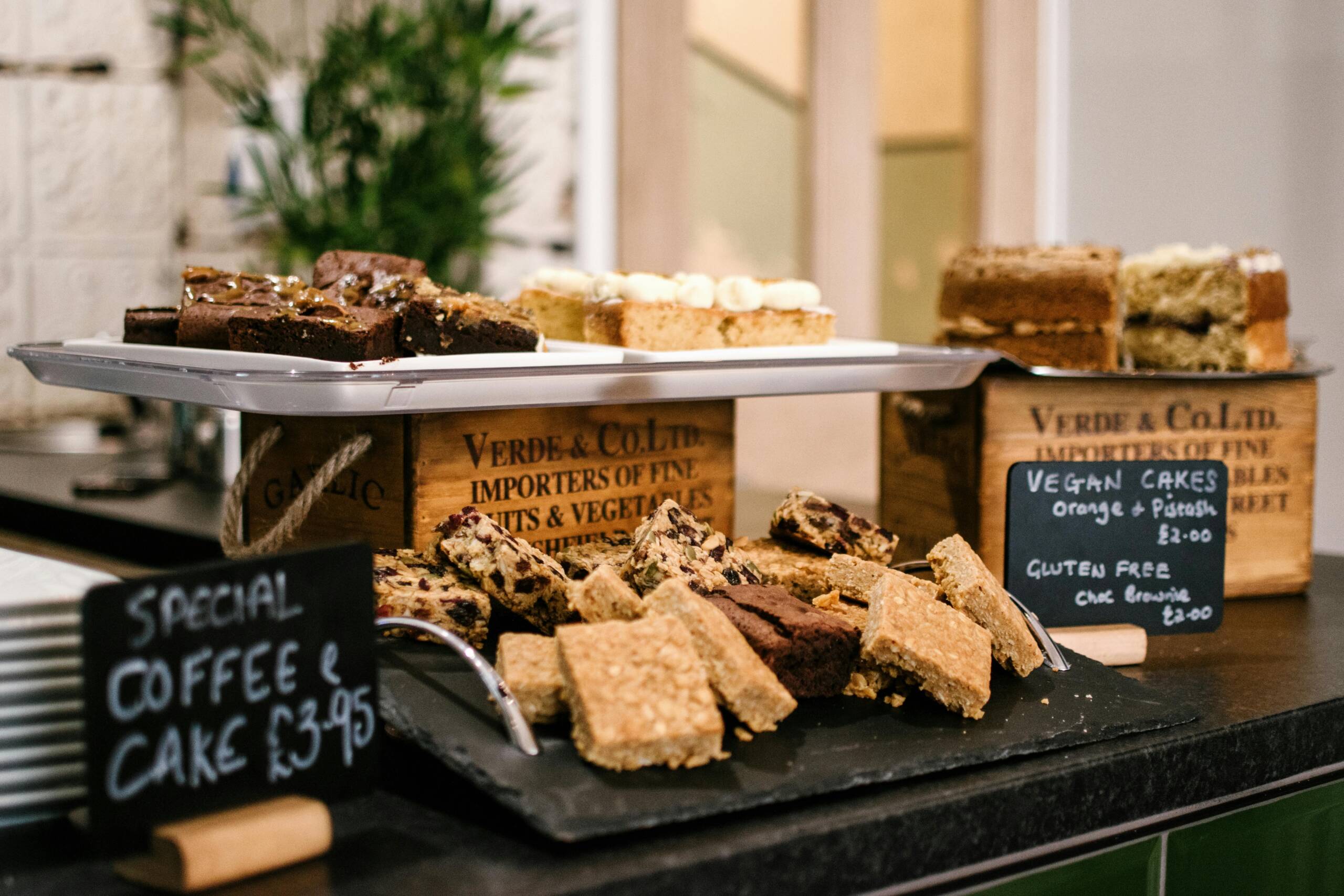
Starting a bakery is already a leap of faith. But can you imagine doing it without butter, eggs, or milk?
Choosing to open a fully vegan shop adds another layer of risk, creativity, and responsibility. It’s not just about removing animal-based ingredients; it’s relearning almost everything you thought you knew about baking. You’re rebuilding familiar textures, flavors, and emotions from the ground up. When done well, vegan baked goods do not feel like substitutes. They feel intentional, comforting, and worth coming back for.
In this guide, we’ll walk you through the real challenges of vegan baking and the practical decisions that help turn a vision into a successful shop.
Understanding the Core Challenge of Vegan Baking
Traditional baking relies heavily on eggs, butter, milk, and cream. These ingredients do more than add flavor. They bind, leaven, emulsify, and soften. Remove them, and you are left solving several technical problems at once.
Eggs, for example, can act as a binder, a leavening agent, or a source of richness, depending on the recipe. Butter provides structure, moisture, and mouthfeel. Dairy milk contributes sugars, proteins, and fats that affect browning.
Vegan baking asks you to replace these functions, not just the ingredients themselves. That is why recipes that simply “swap” often fall flat. A successful vegan bakery understands what each ingredient does and chooses replacements with purpose.
Choosing the Right Vegan Ingredient Alternatives
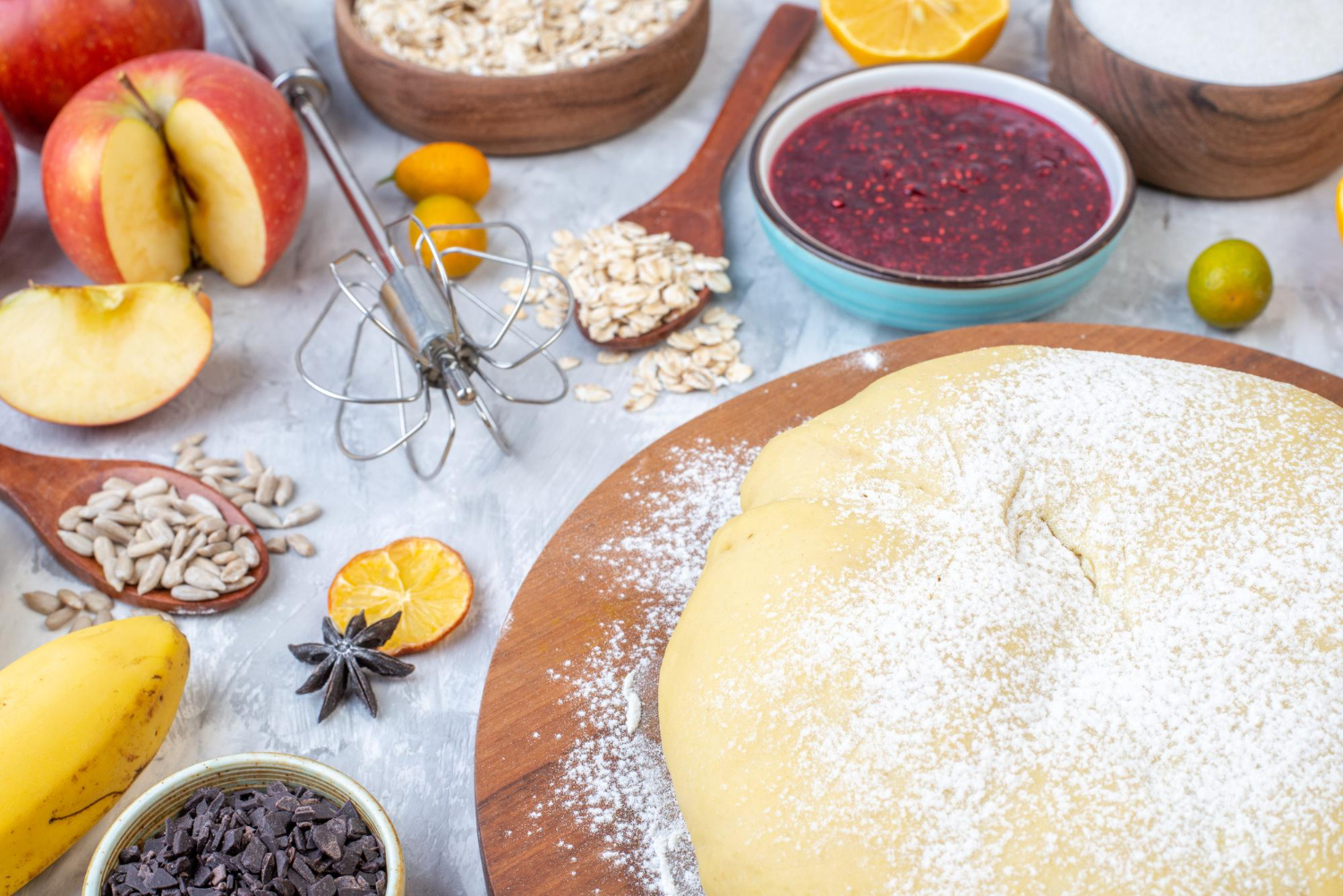
There is no single best substitute for eggs or dairy. The right choice depends on the product you are making.
For egg replacements, common options include:
- Ground flaxseed or chia seeds mixed with water for binding in cookies, muffins, and quick breads
- Aquafaba for meringues, macarons, and light sponge cakes
- Commercial egg replacers for consistency in high-volume baking
- Silken tofu for dense cakes, cheesecakes, and custard-style fillings
Dairy replacements also vary by application:
- Plant-based butters made for baking tend to perform better than soft spreads
- Coconut oil works well in laminated doughs and crusts, but adds flavor
- Oat, soy, and almond milks all behave differently when heated
- Cashew cream or coconut cream can replace heavy cream in fillings and frostings
Spend time testing brands. Two plant-based butters can behave completely differently in the oven. Consistency matters more than novelty when you are selling to customers.
Developing Recipes That Scale Well
A recipe that works at home may fail in a commercial kitchen. Vegan doughs and batters can be especially sensitive to temperature, hydration, and resting time.
When developing your menu, test recipes at scale early. Pay attention to:
- How dough behaves after refrigeration
- Whether batters thicken or thin as they sit
- How long products stay fresh without preservatives
- How items hold up during display
Shelf life is a major factor. Vegan baked goods can dry out faster if fat and moisture are not balanced carefully. Customers expect softness and flavor even later in the day.
Investing in the Right Baking Supplies
Your baking supplies can make or break consistency. Vegan baking often benefits from precision and control.
Some worthwhile investments include:
- A high-quality digital scale for accurate ingredient ratios
- Stand mixers with strong motors for dense doughs
- Convection ovens for even baking and browning
- Silicone baking mats for consistent results without excess oil
- Thermometers to monitor dough and oven temperatures
Do not cut corners on tools that affect repeatability. When customers fall in love with a product, they expect it to taste the same every visit.
Sourcing Ingredients and Building Supplier Relationships
Reliable suppliers are essential, especially when working with specialty vegan ingredients. Running out of a key plant-based butter or egg replacer can shut down production.
Look for suppliers who:
- Carry consistent brands you have tested
- Can handle bulk orders
- Offer transparency about sourcing
- Understand allergen control
Local suppliers can also be valuable partners. Mills, nut processors, and produce vendors often provide fresher ingredients and more flexibility. Strong relationships help when prices fluctuate or supply chains tighten.
Pay Close Attention to Allergens and Clear Labeling

No matter how pure your intentions are, one single claim of an allergic reaction can put your business down. Many vegan baked goods rely heavily on soy, tree nuts, peanuts, and wheat, which can be serious concerns for some customers.
Be clear and consistent with labeling, both in-store and online. List major allergens on menu boards, display cards, and packaging, and train staff to answer questions confidently. If your kitchen uses nuts or soy across multiple products, be honest about cross-contamination risks.
Transparency builds trust, and customers with allergies will remember the shops that take their safety seriously.
Designing a Menu That Balances Creativity and Demand
It is tempting to offer everything. Cakes, pastries, bread, cookies, gluten-free items, and seasonal specials. In reality, a focused menu is easier to execute well.
Start with a strong core lineup. Choose items that showcase what vegan baking does best. Think rich brownies, laminated pastries with flaky layers, soft sandwich bread, and celebration cakes that do not feel like compromises.
Once systems are in place, expand slowly. Seasonal flavors and limited runs keep things exciting without overwhelming the kitchen.
Educating Customers Without Preaching
Some customers walk in because they are vegan. Others come in because the shop smells good. Both deserve the same warmth.
Use signage and menu descriptions to explain ingredients and techniques simply. Highlight flavor first, ethics second. Let the quality speak for itself.
When customers ask questions, answer honestly. Confidence builds trust. If someone forgets it is vegan until you mention it, that is usually a sign you are doing it right.
Passion, Prowess, Purpose

Running a vegan bakery or pastry shop goes beyond copying traditional baking and removing animal products. It is about understanding the science, respecting the craft, and choosing ingredients and baking supplies that support your vision.
The learning curve can be steep, but the payoff is real. When someone takes a bite and smiles, not because it is vegan but because it is good, you know you have built something that matters.
If you approach your shop with patience, curiosity, and care, your baked goods can be just as heartwarming and memorable as any classic pastry.
Author Bio: Carmina Natividad is a resident writer for Mauri, a trusted name in baking supplies and ingredients across Australia and New Zealand. She enjoys sharing practical insights and inspiration to help bakers, from local artisans to large-scale producers, create consistently high-quality, delicious baked goods.


Easy tips and tricks to clean your sofa at home
The sofa is the center of your living space. Your sofa is a place where you can relax, ent…
Fun Online Entertainment Experience
KP88 – A Comprehensive Look at a Popular Online Gaming Platform Introduction to KP88 …