Why Pulp Moulding Machines Are the Future of Green Packaging

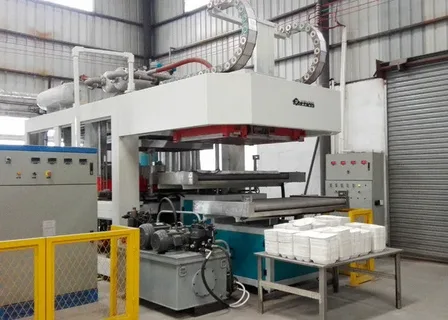
As global awareness of environmental issues continues to grow, businesses across industries are rethinking how their packaging impacts the planet. Traditional plastic packaging, once favored for its low cost and convenience, is now widely criticized for pollution and waste. In response, sustainable alternatives are gaining momentum, and one solution stands out clearly: the pulp moulding machine. This technology is transforming the packaging sector by offering eco-friendly, cost-effective, and versatile packaging options.
Pulp moulding machines use recycled paper and natural fibers to create biodegradable packaging products such as trays, cartons, and protective inserts. Their ability to combine sustainability with industrial-scale efficiency makes them a cornerstone of the green packaging revolution. Below, we explore why pulp moulding machines are shaping the future of sustainable packaging worldwide.
Rising Demand for Sustainable Packaging Solutions
Consumers today are more environmentally conscious than ever before. They actively seek products packaged in materials that are recyclable, biodegradable, or compostable. Governments and regulatory bodies are also enforcing stricter environmental regulations, pushing companies to reduce plastic usage. This shift in market dynamics has created strong demand for solutions that align with sustainability goals, and the pulp moulding machine fits perfectly into this landscape.
By converting waste paper into functional packaging, a pulp moulding machine helps close the recycling loop. Instead of ending up in landfills, paper waste is repurposed into valuable packaging products. This not only reduces environmental impact but also enhances brand reputation, as companies can clearly demonstrate their commitment to green practices through sustainable packaging choices.
Environmental Benefits of Pulp Moulding Technology
One of the strongest reasons pulp moulding machines are the future of green packaging is their minimal environmental footprint. The raw materials used—recycled paper, cardboard, and agricultural fibers—are renewable and biodegradable. Unlike plastic manufacturing, pulp moulding does not rely on fossil fuels as its primary resource, significantly lowering carbon emissions.
In addition, the production process of a pulp moulding machine consumes less energy and water compared to many traditional packaging methods. Modern machines are designed with water recycling systems and energy-efficient drying technologies, further reducing resource consumption. The end products naturally decompose without releasing toxic substances, making them safe for both the environment and human health.
Cost-Effective and Scalable Production
While sustainability is a key driver, cost-efficiency remains a top priority for manufacturers. A pulp moulding machine offers an excellent balance between environmental responsibility and economic viability. The primary raw material—waste paper—is inexpensive and widely available, helping reduce production costs over time.
Moreover, pulp moulding machines are highly scalable. From small startups to large industrial manufacturers, businesses can choose machines that match their production capacity and budget. Automation and technological advancements have further reduced labor costs while improving output consistency. This scalability makes pulp moulding technology accessible and attractive to businesses of all sizes.
Versatility Across Multiple Industries
Another reason pulp moulding machines are shaping the future of green packaging is their versatility. These machines can produce a wide range of packaging products, including egg trays, fruit trays, cup carriers, electronics cushioning, and medical packaging. This flexibility allows industries to replace plastic and foam packaging with sustainable alternatives without compromising product protection.
The customization capabilities of a pulp moulding machine also play a significant role. Manufacturers can create packaging in various shapes, sizes, and thicknesses to suit specific product requirements. As innovation continues, pulp moulded packaging is no longer limited to basic designs but is now used for premium and aesthetically appealing packaging solutions as well.
Supporting a Circular Economy and Long-Term Sustainability
A pulp moulding machine supports the principles of a circular economy by transforming waste into reusable products. Instead of following a linear “make-use-dispose” model, pulp moulding promotes recycling, reuse, and regeneration. This approach reduces landfill waste and encourages responsible resource management.
In the long term, adopting pulp moulding machines helps businesses future-proof their operations. As environmental regulations tighten and consumers demand greener solutions, companies using sustainable packaging will have a competitive advantage. Investing in pulp moulding technology is not just a response to current trends—it is a strategic move toward long-term sustainability and business resilience.
Conclusion
The packaging industry is undergoing a significant transformation, driven by environmental concerns, regulatory pressure, and changing consumer preferences. In this evolving landscape, the pulp moulding machine has emerged as a powerful solution that combines sustainability, efficiency, and versatility. Its ability to produce biodegradable packaging from recycled materials makes it a key technology for reducing plastic waste and environmental harm.
As industries continue to prioritize green initiatives, pulp moulding machines will play an increasingly vital role in shaping the future of packaging. By adopting this technology, businesses can meet sustainability goals, reduce costs, and contribute to a cleaner, more responsible global packaging ecosystem.


Easy tips and tricks to clean your sofa at home
The sofa is the center of your living space. Your sofa is a place where you can relax, ent…
Entertainment Online with Positive Play
G28 proudly stands as a leading and reputable digital entertainment platform that represents quality, …